
Conquer Mars
Here's how humans live on Mars: Growing vegetables in a cellar and ... chewing on live insects
It sounds terrible, but this finding has brought the intention to human settlement of Mars a big step forward.
Browse ScienceInfo articles and explainers related to Energy.
2,772 published items.
It sounds terrible, but this finding has brought the intention to human settlement of Mars a big step forward.
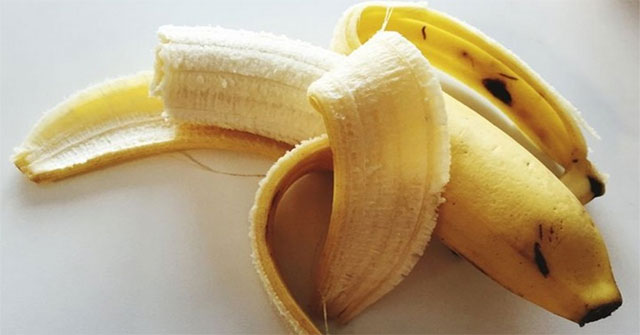
It is true that bananas are sugary and can provide a little energy but do not be foolish to eat bananas as the only food for breakfast.

And best of all, they publish new research so that other automakers can develop and apply it themselves.
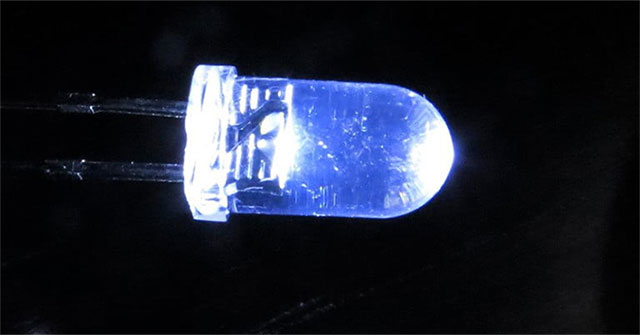
The device is similar to solar panels, the difference is that it does not draw energy directly from the sun but from the temperature change between day and night.

Aliens have not appeared after all these years, while there are billions of planets out there? Humans perhaps not so lonely?

'Because nothing is completely static, and there is always energy flowing in the soil, we will have a source that causes this rock structure to vibrate continuously.'

The study offers a solution to restructure solar cells to increase the performance and durability of energy systems in erratic weather conditions.
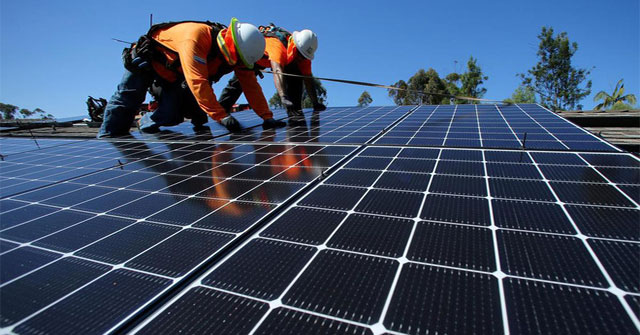
Solve three problems at once: water shortage, electricity shortage and emissions reduction.
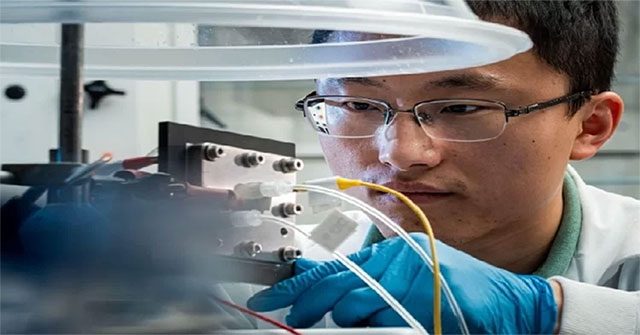
The electrolytic reactor built at Rice University can recycle CO2 to create pure liquid fuel that uses electricity.
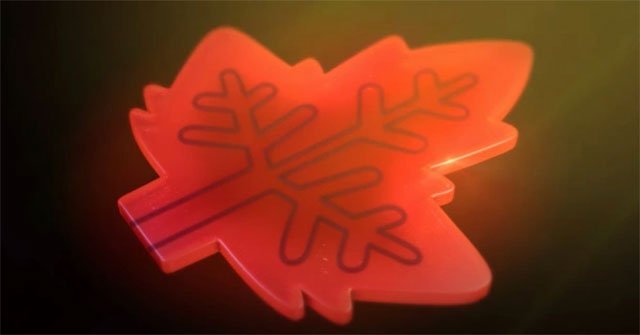
The sun is a huge and almost infinite source of energy that we have just started to exploit, while the trees have been the experts to exploit this free energy since they…
The impact explodes a stream of energy, causing the brain to think that it sees a series of glittering lights that do not follow any order or shape. However, this intere…
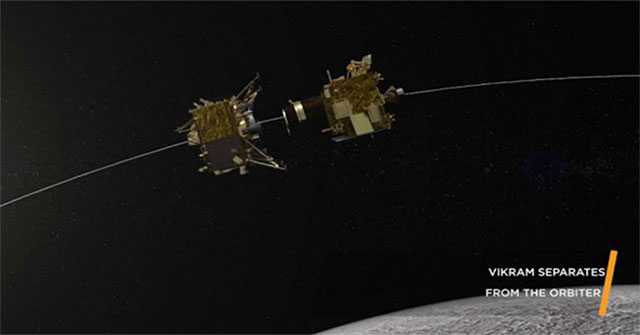
The Vikram station detached from the Chandrayaan-2 spacecraft at 2:45 pm on September 2 (Hanoi time), ready to land near the southern tip of the Moon.
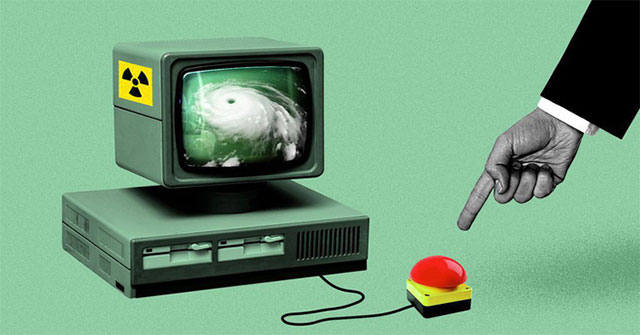
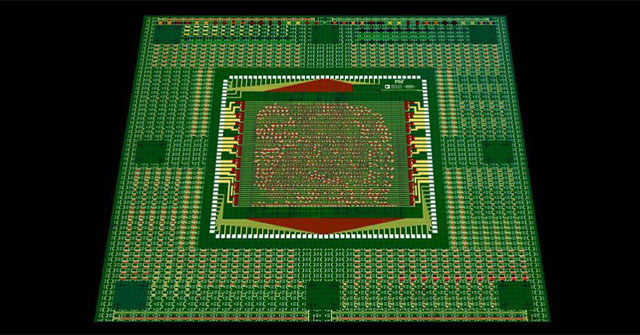
In theory, with higher performance and more efficient use of energy, we expect it will replace silicon chips.
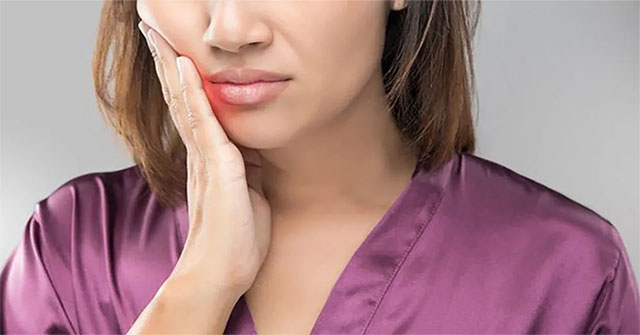
A new study has revealed that elite athletes have a high incidence of gum disease despite brushing their teeth twice a day.