
Discover science
Differences between atomic bombs and fusion
Thermonuclear bombs (H bombs) are believed by scientists to be more powerful but not as common as atomic bombs (A bombs).
Browse ScienceInfo articles and explainers related to Energy.
2,772 published items.
Thermonuclear bombs (H bombs) are believed by scientists to be more powerful but not as common as atomic bombs (A bombs).
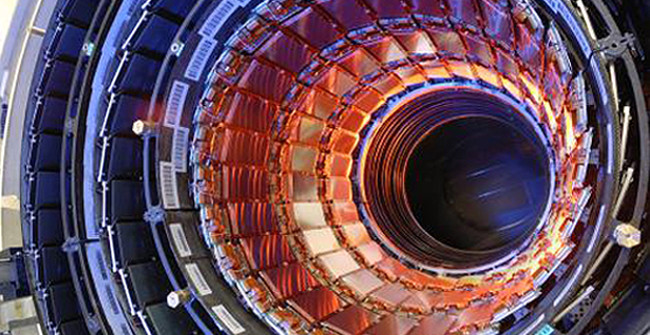
It is likely that this will become a solution to solve nuclear energy problems for many countries in the world in the future.

If every citizen could do it, then the following seven secrets could actually make a big turning point for the rescue of Earth from climate change.

It is hard to imagine how a person could survive a powerful lightning strike of up to 300 million volts?
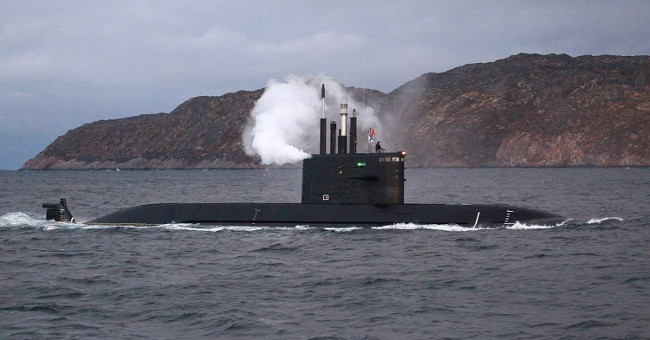
According to deputy commander of Russian Navy Admiral Victor Bursuc, the country will equip non-nuclear submarines attacked by missiles farther than 3,000km.

Is it because 37 + 37 = 74 (degree C) should be hot?

Researchers believe that ghost stories so far have not been convincing evidence of the existence of this supernatural phenomenon.

Japan and China successfully exploited the seabed, opening hope to turn it into a popular fuel in the future.
Recently scientists from the US Department of Energy (DOE) believe they have discovered a mechanism that causes battery capacity to drop, even to prevent it.

Genius scientist Nikola Tesla once cherished manufacturing
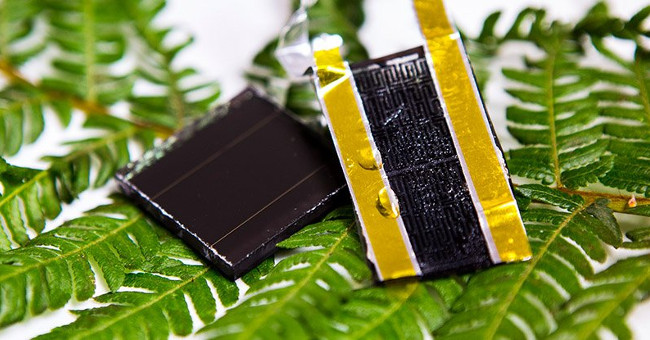
This technology is designed to be extremely flexible and can be attached directly to solar cells.

Einstein, the author of the legendary energy formula: E = mc2, once admitted that he still could not understand another even more mysterious energy.
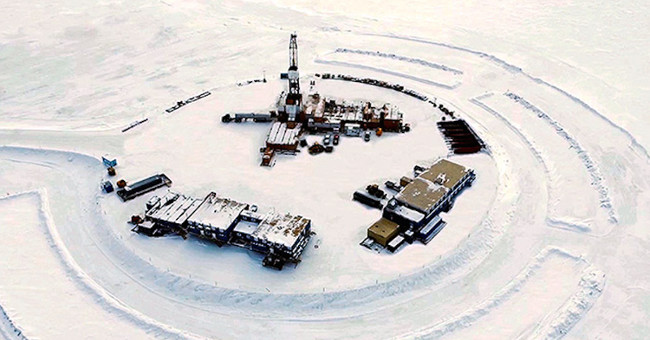
In an area that had been deemed to have run out of oil in Alaska (USA), oil companies said they had found a huge oil field, reserves of up to 1.2 billion barrels.

We can't explode indiscriminately with a nuclear bomb, we can't get into the Universe black hole, but we have the Z Machine to do the same.

When science proves that supernatural forces exist, this world will be much different.