Archeology
Jura primitive turtle can swim
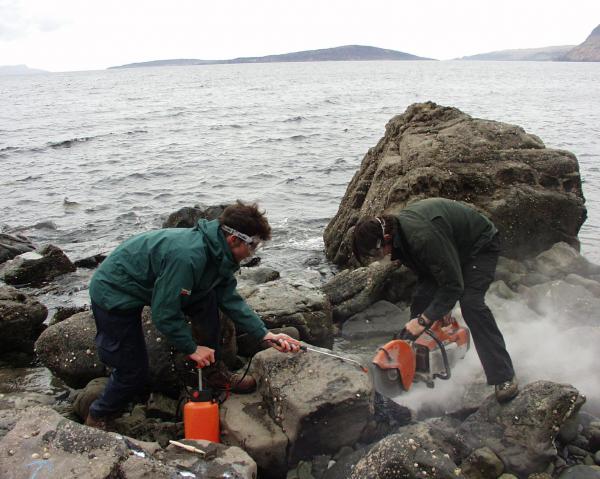
According to a new study, about 164 million years ago, the first water turtle lived in lakes, on the island of Skye - Scotland.
Browse ScienceInfo articles and explainers related to Environment.
2,126 published items.
According to a new study, about 164 million years ago, the first water turtle lived in lakes, on the island of Skye - Scotland.
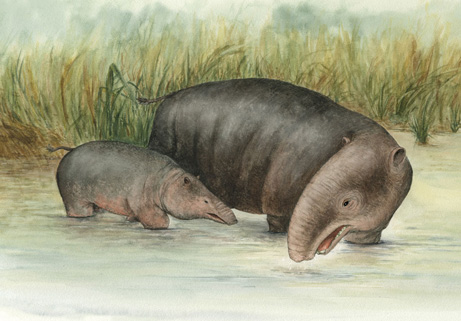
A study shows that the genealogy of the largest animal that still exists on the ground may have roots from the water.
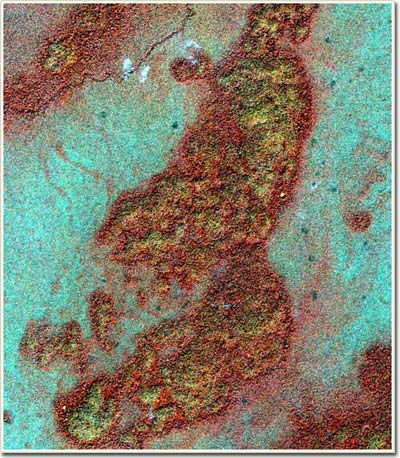
Scientists using new satellite technology to monitor the South American environment said the decline of Mayan civilization could stem from their own droughts and climate…
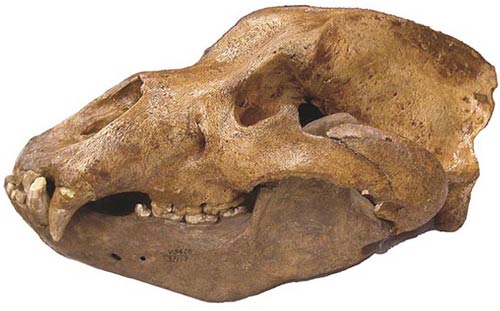
Ancient people used to exist in an environment full of enemies, from cats and wolves to giant raptors. Scientists have just added bears to the list above, prehistoric be…
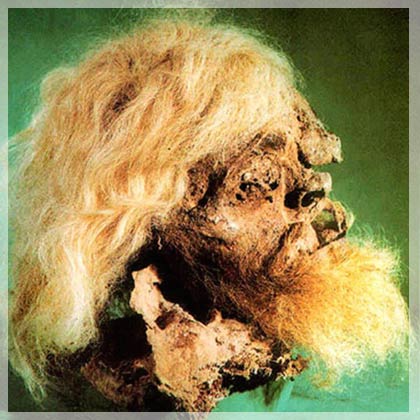
During the period of the Roman Empire, only after the collapse of ancient Persia (present-day Iran), a salt mine worker in northwestern Iran was killed after a catastrop…
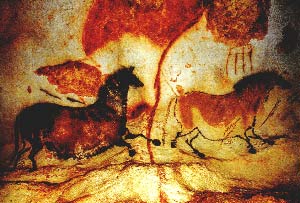
According to Dr. Helena Valladas and colleagues at the Weather and Environment Laboratory, CEA-CNRS Research Center (France), when conducting the analysis of the age of…
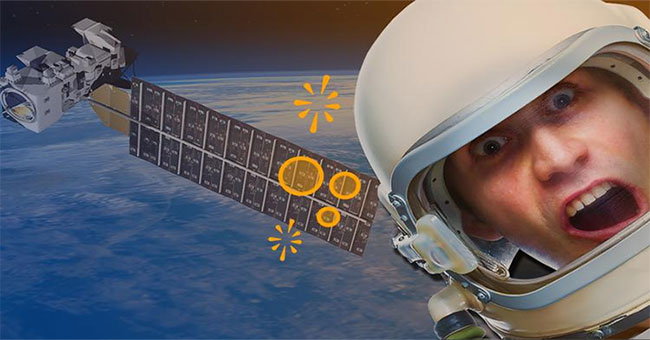
After all, the gravitational micro-environment of the universe can bring about great effects
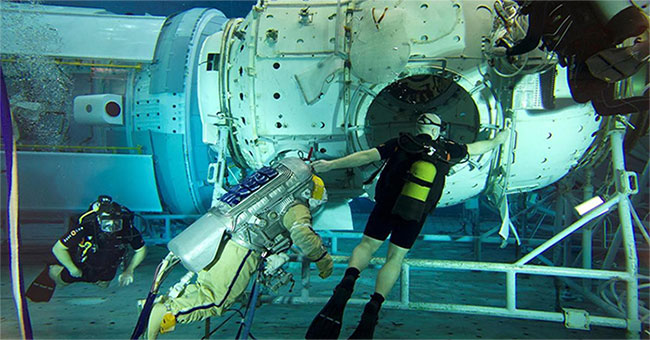
The universe is an interesting mysterious world, but also full of dangers. So, going into space, astronauts have to go through a very complex process of selection and tr…
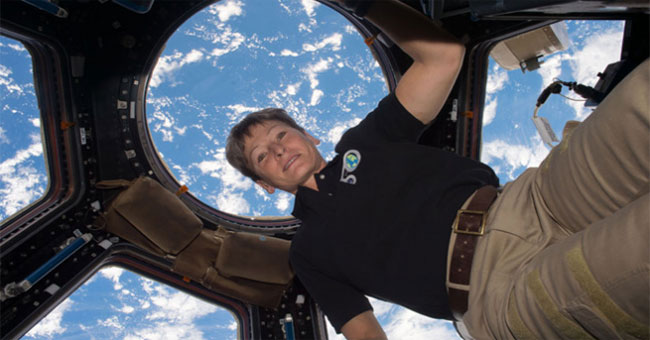
The research team found that the amount of gray matter in the brains of the subjects decreased compared to the initial results.
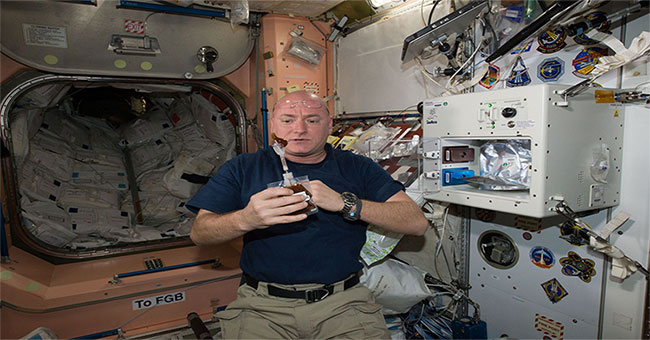
When you live on the universe, everything, from crying to lighters or even toilets, is completely new, unlike when you're on Earth.
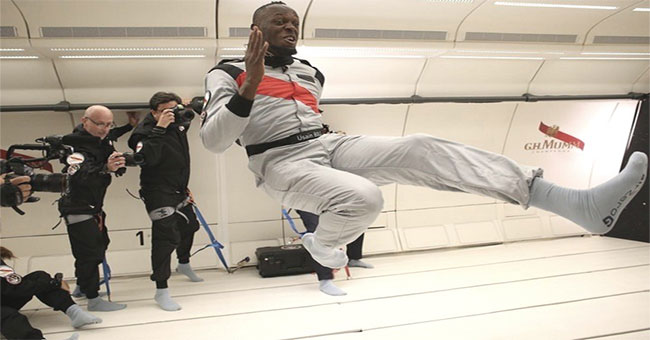
Perhaps Usain Bolt is no longer a strange name for many people in the world because he is the holder of the Olympic record and the world in the running 100m and 200m.
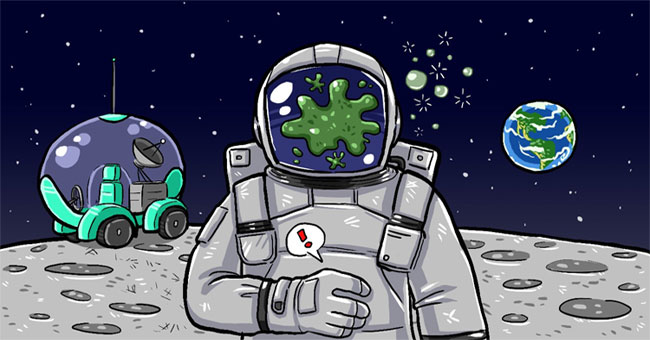
Becoming an astronaut is not an easy thing when candidates have to go through a process of training and testing for months on the ground.
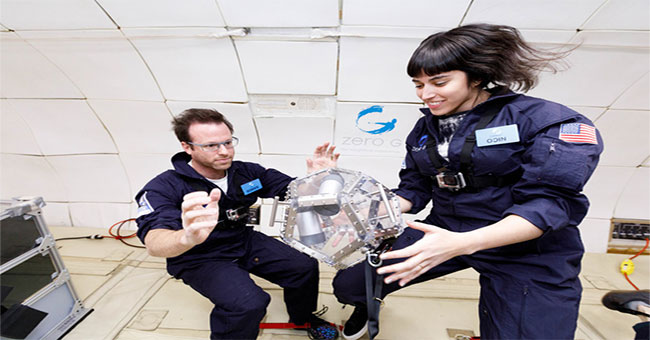
There is no denying and undeniable: the Earth civilization possesses the most interesting culture in the universe.
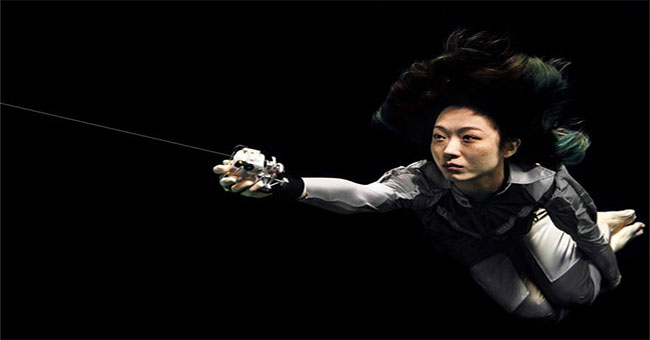
Astronauts will use a silk shotgun inspired by spiders to pull the body from one point to another
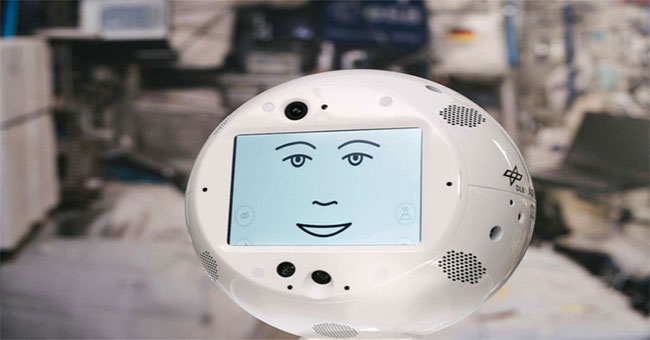
CIMON is an artificial intelligence robot and can operate in a zero gravity environment.