Medicine - Health
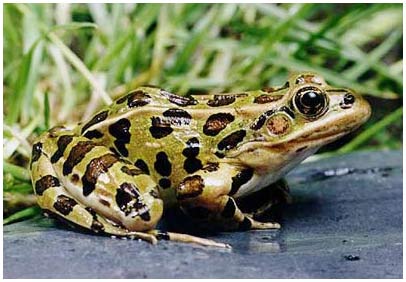
Frog cancer enzyme treatment
According to British and American scientists, an enzyme in frog egg cells has great potential for treating cancer, especially brain cancer. This new therapy is undergoin…
Browse ScienceInfo articles and explainers related to Enzyme.
226 published items.
According to British and American scientists, an enzyme in frog egg cells has great potential for treating cancer, especially brain cancer. This new therapy is undergoin…
According to the Science magazine, German researchers at the Max Planck Institute and Heinrich -Pette Institute have developed an enzyme capable of removing HIV-infected…
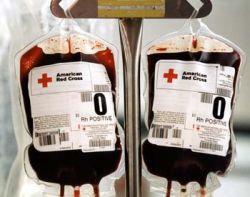
Converting 2 blood groups A and B into groups for everyone will be possible in the next few years. According to the French National Institute of Scientific Research (CNR…

New British scientists have created a kind of artificial stomach that is slightly smaller than a laptop. Its operation is controlled by pre-installed software with param…

US scientists have discovered an enzyme that can heal brain cells with Alzheimer's disease - a dementia. The Columbia University team named the enzyme Uch-L1.
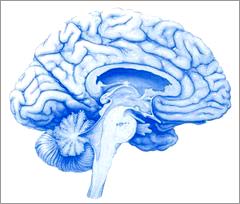
American scientists at New York University have discovered that the molecular mechanism maintains the storage of memories in the brain. They demonstrated in Science maga…
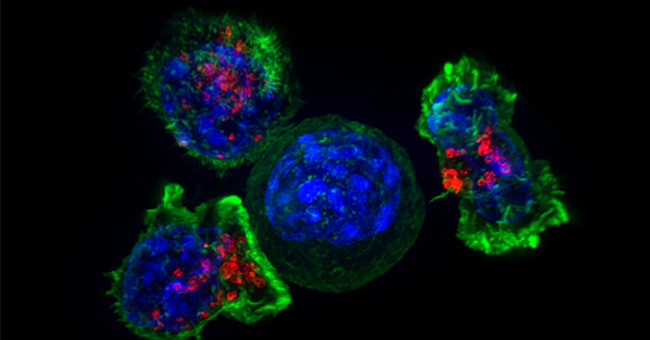
Laboratory studies have shown that chemotherapy can stimulate the body's immune system to fight cancer cells.

Black spots on banana peels can help make it quicker and easier to diagnose skin cancer patients, thereby increasing their survival.

Some researchers have recently discovered that artificial sweeteners, or chemical sugars, can inhibit the growth of cancer cells and advise cancer patients to regularly…
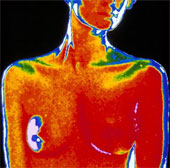
Breast cancer cells release a protective protein, capable of inhibiting tumor growth, according to a new study.

We all know two factors that contribute to cancer in tobacco - nicotine and associated hydrocarbon aromatic rings (PAHs) are carcinogenic culprits.
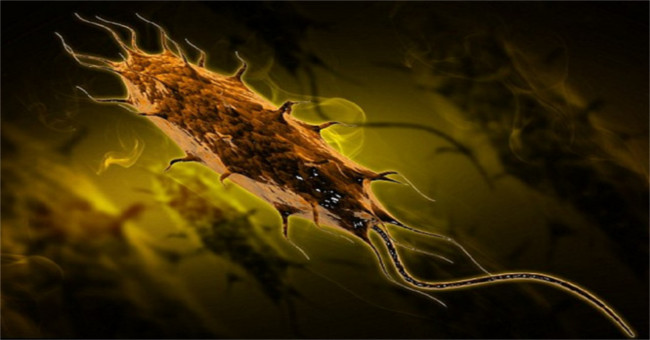
British scientists believe that the weakness of the drug-resistant virus has been discovered so that it can be controlled.
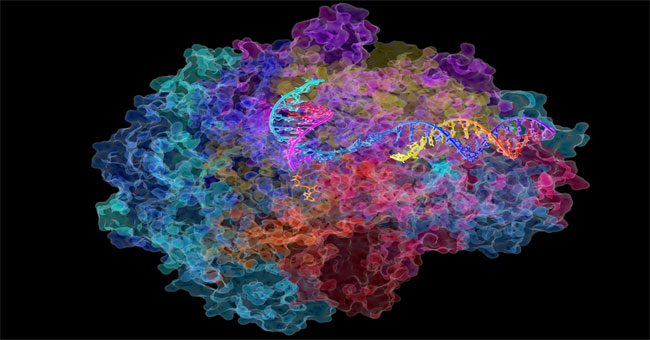
Scientists have recently found a new antibiotic that is highly effective against current antibiotic-resistant bacteria.

Ever since biologist Alexander Fleming (1881-1955) discovered penicillin in 1928, humanity was happy by the splendor of
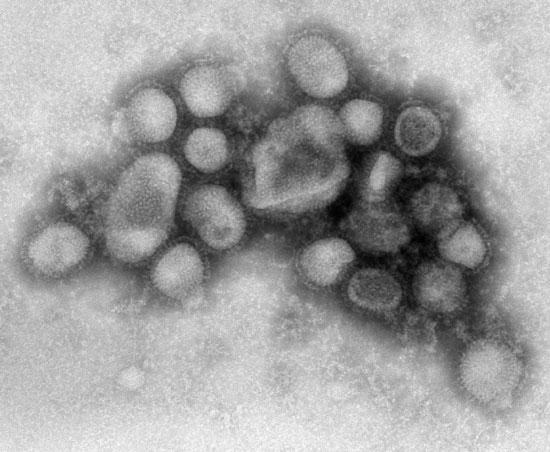
Scientific experts at the University of California, Los Angeles - UCLA and its colleagues discovered the first evidence of the H1N1 virus in animals in Africa.