Animal world
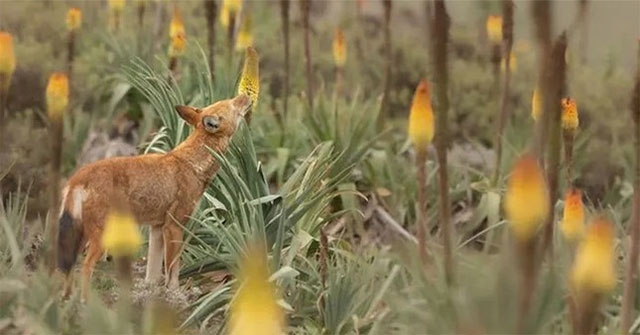
Strangely, wolves in Ethiopia love to eat nectar.
Wolves in Ethiopia lick red poker flowers. They are the first large carnivore in the world known to feed on nectar.
Browse ScienceInfo articles and explainers related to Ethiopian.
17 published items.
Wolves in Ethiopia lick red poker flowers. They are the first large carnivore in the world known to feed on nectar.
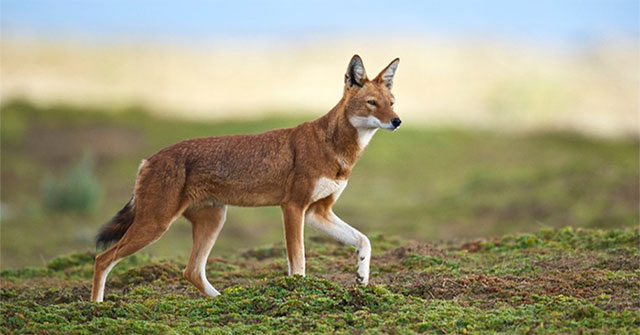
Africa is a continent famous for its biodiversity, especially its predators, from lions and cheetahs to foxes and mongooses.

In the grasslands of Ethiopia, huge herds of gelada monkeys may be in the process of taming wolves.

The Library of the Monastery of St. Gall in Switzerland is home to about 160,000 volumes of literary and historical manuscripts dating back to the 8th century.

ETRSS-1 satellite was put into orbit on December 20, marking a historic milestone in Ethiopia's space science development effort.

Ethiopian Prime Minister Abiy Ahmed won the 2019 Nobel Peace Prize for his contribution to ending conflict with neighboring Eritrea.

An international team of researchers has collected exotic bacteria samples from a hydropower reservoir in the Danakil Depression area.

The positive calendar that we use to calculate the time is called the Gregorian calendar. It was first created in 1582 by Pope Gregory XIII.

On Asmelash Zerefu's social networking site, people gave him lots of compliments like the Wright brothers in the United States because of their effort to create a plane…

Experts finally discovered that it is genetics that helps Ethiopians live at thousands of meters above sea level.

Mentioned in both the Bible and the Koran, it is said that the mysterious queen of Sheba had children with King Solomon of Israel. Now Ethiopian genome scientists have d…

American archaeologists discovered fossils of a new ancient human race in Ethiopia, dating back more than three million years.

Lucy, the most famous nester of humankind, will be exhibiting for the first time in the US this week (Aug. 31) despite criticism that the 3.2-million-year-old skeleton i…

Ethiopian archaeologists found the remains of a 3-year-old girl called Dikika. She lived and died in the early days of human formation on earth. Try it

A new study by British and Ethiopian scientists said that within 70 years, Arabica coffee, an important African coffee tree, will become extinct due to climate change.