Archeology
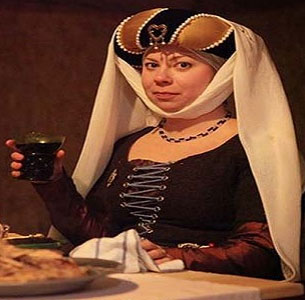
The rich in the Middle Ages suffered from lead poisoning due to their preference for ceramics
Scientists found that the Middle Ages were poisoned by lead from the glazed cups and plates they used to eat dinner.
Browse ScienceInfo articles and explainers related to Europe.
682 published items.
Scientists found that the Middle Ages were poisoned by lead from the glazed cups and plates they used to eat dinner.
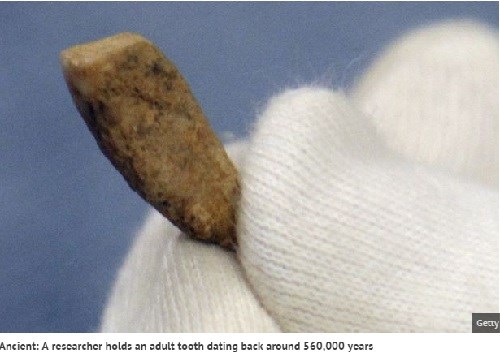
A 550,000-year-old human tooth has been found by two young archaeologists in France. The tooth is the oldest trace of human parts excavated in the country.
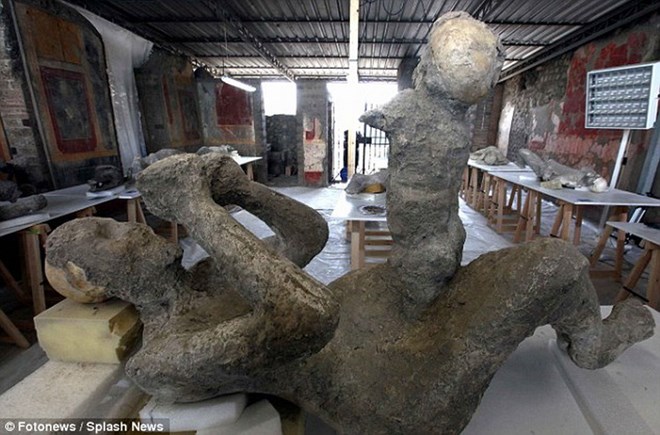
Buried under dust for more than 1,900 years, the tragic story behind the embryo is full of haunting a child on the womb, dumbfounded with fear, has been gradually reveal…
Modern Europeans originate from the three main ancient groups, not the two groups as previously assumed.
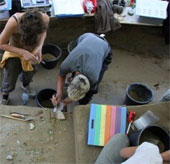
The group of international archaeologists on September 22 said the excavation of an archaeological site in Austria has shown that it is the place to keep the oldest trac…
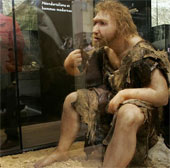
Before extinction about 40,000 years ago, the ancient Neanderthals lived side by side with modern humans in Europe for about five millennia.
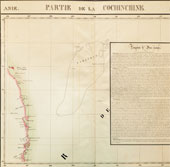
The world famous Atlas set of geographer Philippe Vandermaelen published in 1827 clearly shows that the Paracel and Spratly Islands are Vietnam, just received and announ…
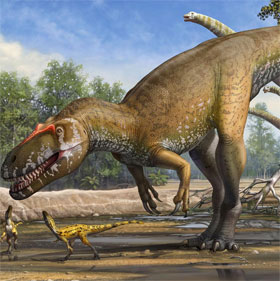
Dinosaur fossils found in Portugal date back to 150 million years and are identified as the largest carnivorous dinosaur in Europe.
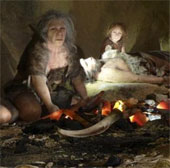
Neanderthals may have faced the danger of extinction before modern ancestors left Africa.

Modern Indians inherited 38% of genetic genes from European ancestors who moved to Siberia from tens of thousands of years ago.
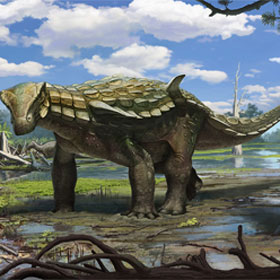
A recent discovery of fossil dinosaurs in Spain has led to a surprising discovery: It is not only the previously undiscovered species, but also a new generation of dinos…
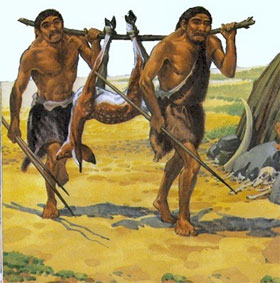
The time when these two groups coexist together lasts about 2,000 years, longer than previously thought.
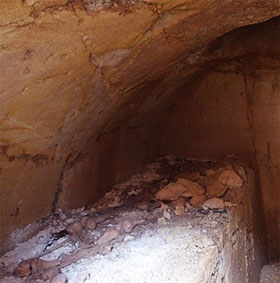
Archaeologists have unearthed an Etruscan tomb (an ancient Italian branch) in a small town about 80km northwest of Rome.
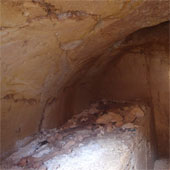
Archaeologists in central Italy have unearthed two bronze statues of women and many other rare artifacts of the Etruscan civilization dating back 2,500 years.
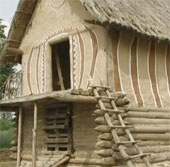
The largest settlements in Europe during the Neolithic period were built by the Trypillian Cucuteni of Ukraine, Romania and Moldova.