
Science story
The evolutionary father once had regal students
With nearly a dozen people helping to polish shoes, clean the beds, wash clothes and a group of fireplaces, life is at ease in Charles Darwin's school time.
Browse ScienceInfo articles and explainers related to Evolution.
634 published items.
With nearly a dozen people helping to polish shoes, clean the beds, wash clothes and a group of fireplaces, life is at ease in Charles Darwin's school time.
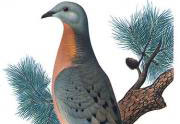
In general, the extinction phenomenon of animals is a natural process. For some reason, an estimated 99.9% of all species that once lived on Earth today are extinct.

Today the Darwin Awards become quite famous. This award is given to those who dare to lose their survival in the most stupid way possible by eliminating the very existen…
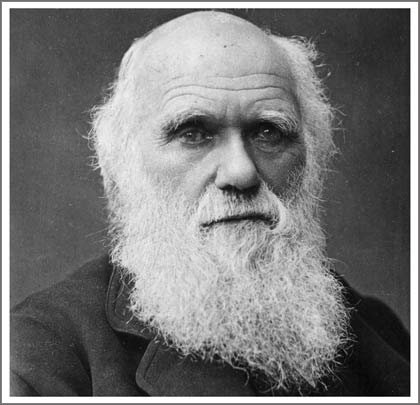
Before stomach pain forced Charler Darwin to drop out of medical school, before boarding the Beagle around the world and before penning for masterpieces.
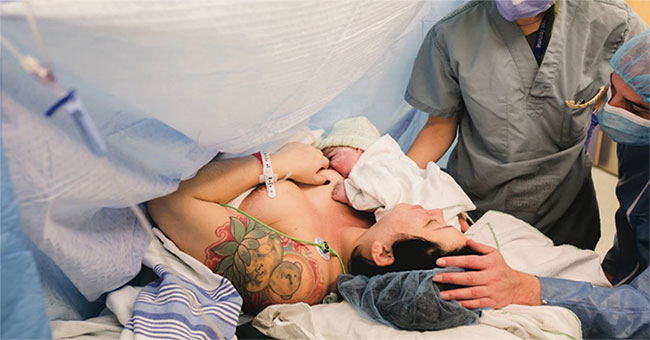
When modern science and technology develops, more and more pregnant women choose a caesarean birth solution.
Afif Aqrabawi, one of the authors, said there is a strong connection between memory and smell and this connection is made by evolution.
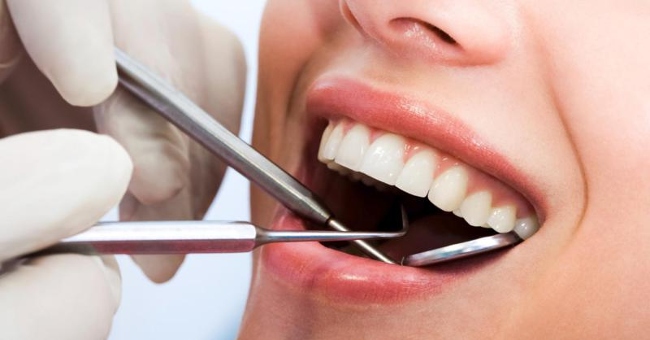
Through evolution and natural selection, some organs in the human body appear more or disappear to form a complete body apparatus. However there are some parts that defy…
Please give some respect to those

You look around frantically, and suddenly feel like someone is following. You stand, listen to the sounds, and feel your heart fly out of your chest, beat fast and have…
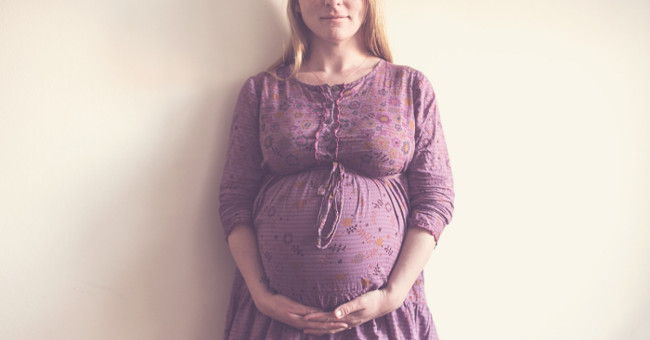
C-section or C-section can save lives when babies are too big to be born often or due to other health complications. But this method is also affecting the way of human e…
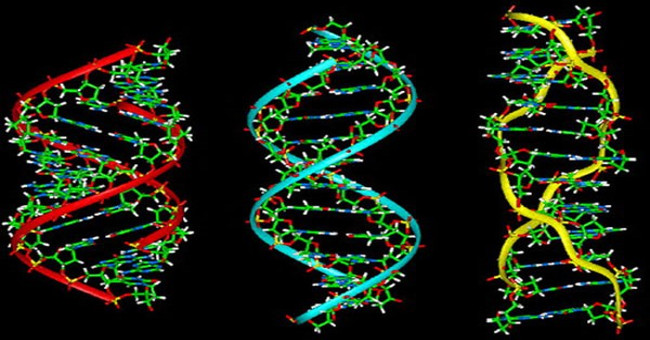
About half a century ago, scientists estimated the number of human genes up to millions. But modern research has reduced this number to about 20,000.

Natural evolution and selection have made the human body adapt to HIV.
While trying to cure diseases that have been for centuries, scientists are also interested in a big question that has not been answered yet: Where does human illness com…

Marriage is an evolutionary step of the human race from polygamy to protect reproductive health, ensuring good maintenance of the race.
American scientists claim to find individuals with the disease gene still perfectly healthy, similar to superhero characters.