Photo library
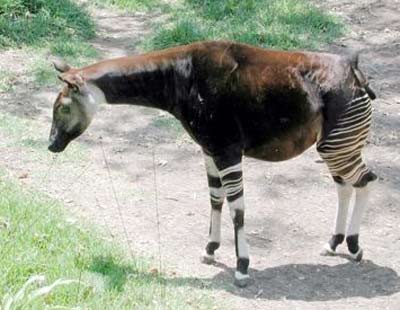
Portrait of 12 living fossils
These strange creatures still exist today, although their shape is almost no evolutionary than hundreds of millions of years ago.
Browse ScienceInfo articles and explainers related to Evolutionary.
252 published items.
These strange creatures still exist today, although their shape is almost no evolutionary than hundreds of millions of years ago.
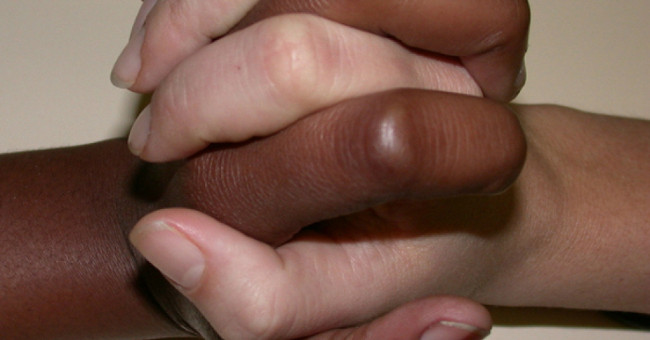
Human skin color is now the result of a long evolutionary process under the guidance of light from the Sun.
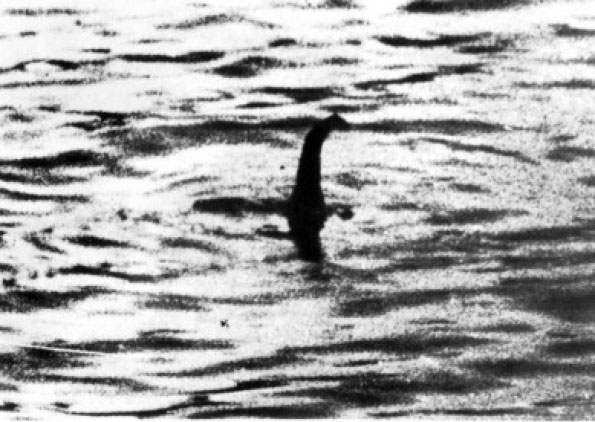
Schools owned by the Christian Church in Louisiana, USA will begin bringing information about sea monsters in Loch Ness - Scotland's most famous mysterious creature - in…

What is the phenomenon of red tide, the mysterious sound that challenges the scientific world, the predictions of the disaster of the prophet Vanga, ... are the most int…
Darwin had a controversial discovery at the time, that of humans with relatives of apes.
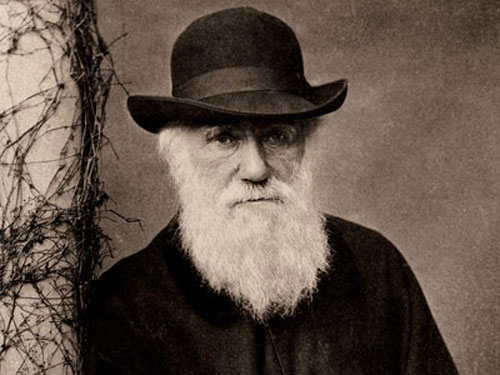
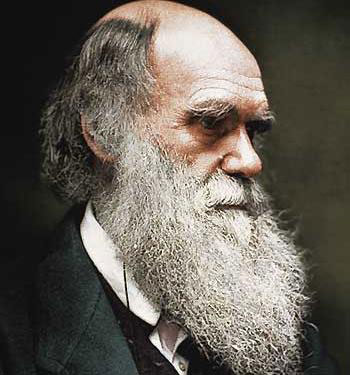
Charles Darwin, author of the doctrine of Origin of all species, died of Cyclic and syndrome.

With nearly a dozen people helping to polish shoes, clean the beds, wash clothes and a group of fireplaces, life is at ease in Charles Darwin's school time.

When modern science and technology develops, more and more pregnant women choose a caesarean birth solution.

Our bodies have many parts that really have to be called ... useless. Wisdom teeth are a good example, and certainly no missing appendix.

Marriage is an evolutionary step of the human race from polygamy to protect reproductive health, ensuring good maintenance of the race.

A group of scientists claims to have created one of the strongest antibiotics, capable of killing microorganisms that cause pneumonia, staph, tuberculosis, blood infecti…
Scientists have tracked the spread of Ebola virus in West Africa and obtained genetic evidence of the outbreak.
Today, the human brain is three times the size of our first ancestors. Because the brain grows, our head is bigger, the skull is enlarged and our lines become flatter.

Entering middle age is also the time when people reach the peak of the evolutionary scale, according to the new hypothesis of Cambridge University experts.