Space science
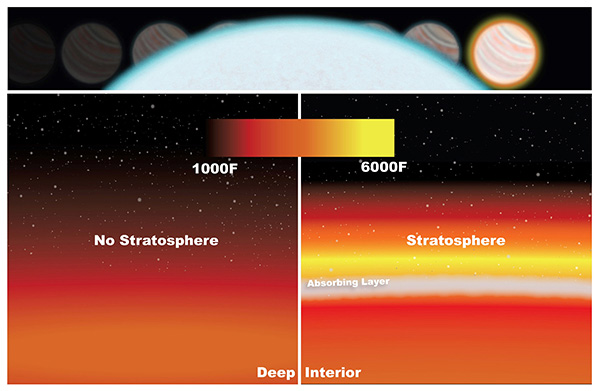
Exotic planets also have stratosphere like Earth
By the Hubble space telescope, scientists at NASA discovered the stratosphere - one of the main layers of the Earth's atmosphere, appearing on a giant, super-hot planeta…
Browse ScienceInfo articles and explainers related to Exoplanets.
38 published items.
By the Hubble space telescope, scientists at NASA discovered the stratosphere - one of the main layers of the Earth's atmosphere, appearing on a giant, super-hot planeta…

The telescope of the US Aeronautics and Space Administration (NASA) recently discovered 715 planets outside the solar system, which could help study Earth-like planets.
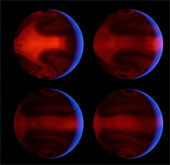
Extraterrestrial planets (planets outside the solar system) are extremely mysterious and strange worlds, can even be extremely scary.
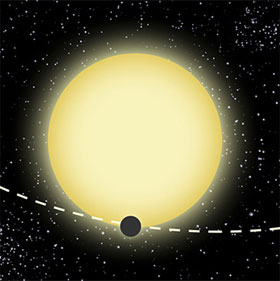
Because of the often fainter appearance than mother stars, exoplanet planets are often found by indirect methods.
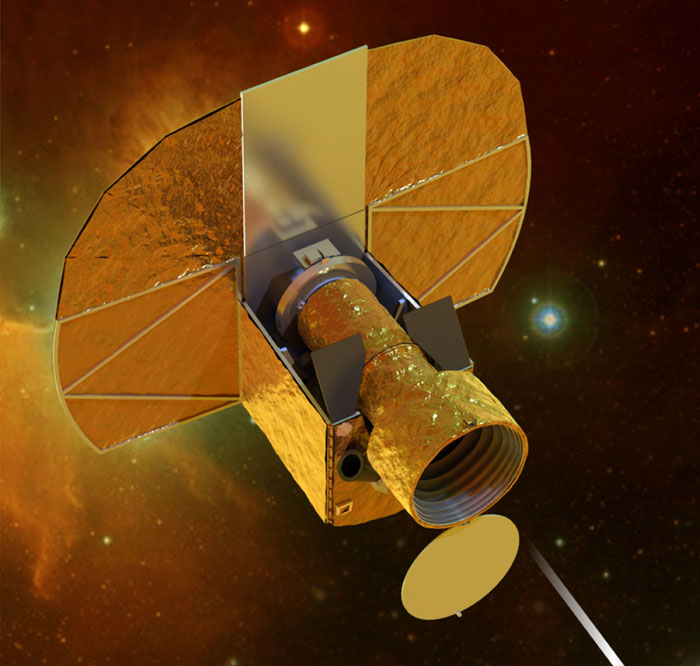
The European Space Agency (ESA) will launch an artificial satellite to study planets around stars near the sun in 2017.
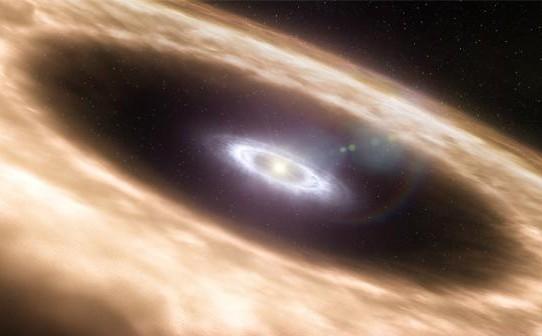
Astronauts are now able to study the planet-forming disk around young Sun-like stars, thereby revealing the movement and distribution of gas in the inner region of the d…
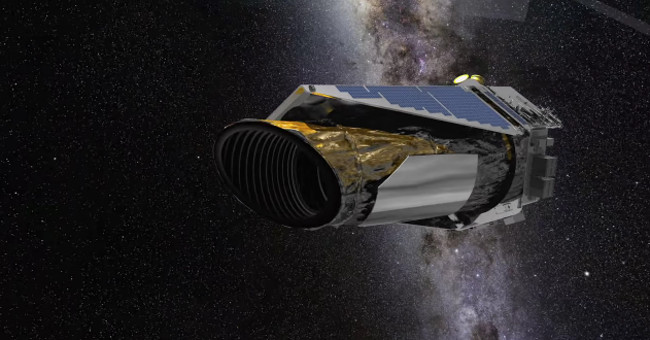
Kepler, the space telescope helps NASA detect 2,245 extrasolar planets, which can only be operated for a few more months due to near-exhaust.

Astrophysicist Abel Mendez at Puerto Rico University has created a