Discover science
Scientists discover the largest crater on Earth less than 100,000 years old
A crescent-shaped crater in Northeast China holds the record as the most impactful crater on Earth formed in the past 100,000 years.
Browse ScienceInfo articles and explainers related to Explore The Earth.
37 published items.
A crescent-shaped crater in Northeast China holds the record as the most impactful crater on Earth formed in the past 100,000 years.
A young subduction zone off the coast of New Zealand has helped scientists explain the mystery of how one tectonic plate can break through the Earth's hard rock crust an…
What happens when some galaxies are predicted to collide with the galaxy containing the approaching Earth?

Matter exists in 4 states solid, liquid, gas and plasma can be a definition that needs rethinking. There is a substance that belongs to the state of suspension between s…
Astronauts on the International Space Station photographed an oasis over 1,200 square kilometers with a unique shape in the middle of the desert.
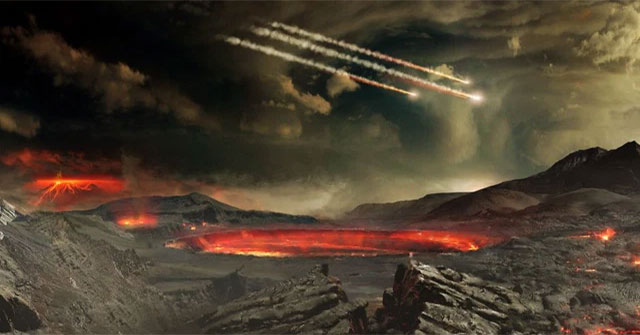
A spoonful of carbon, a drop of hydrogen and a bit of cyanide - this could be a code snippet of a recipe that creates the building blocks of life. Yes, you read its name…
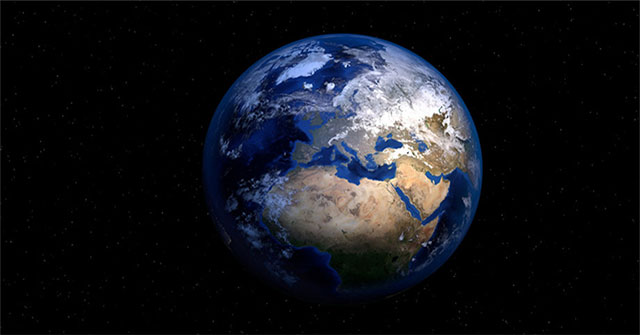
Scientists from the Chinese Academy of Sciences discovered that the innermost core of the Earth is not in a normal solid state but a superionic state.
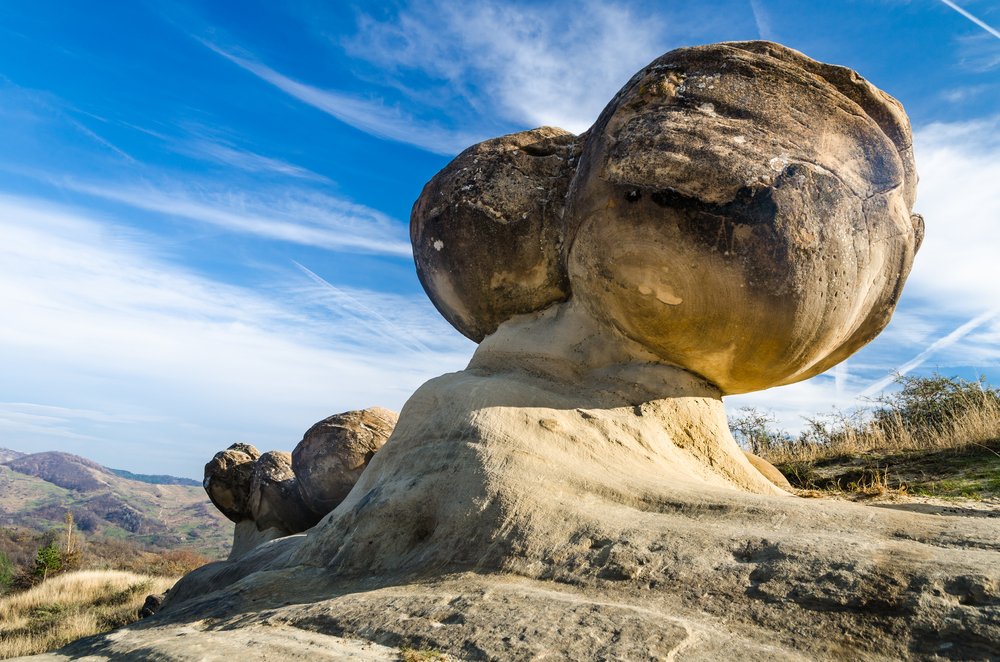
You may wonder when you read this title, but it is true that such a thing exists. Trovants in Romania are incredible rocks because they can grow, multiply, even move. Un…
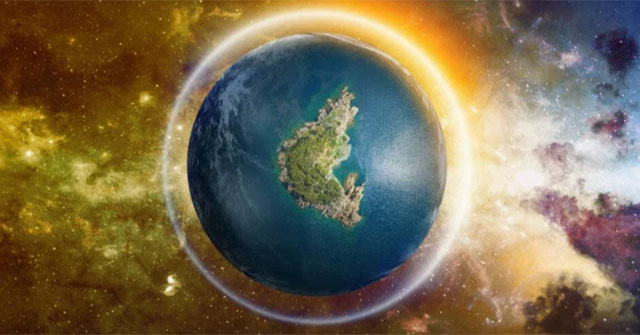
Before the ozone layer was created to protect the Earth from dangerous ultraviolet (UV) radiation, UV radiation levels could have been terrible.
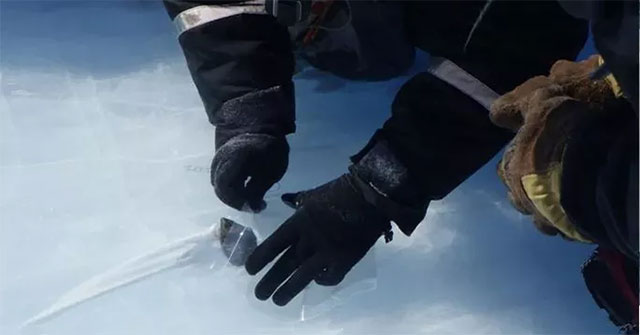
An AI has been used by Dutch scientists to map the alien treasure in Antarctica, which is believed to have 300,000 hidden objects from space.
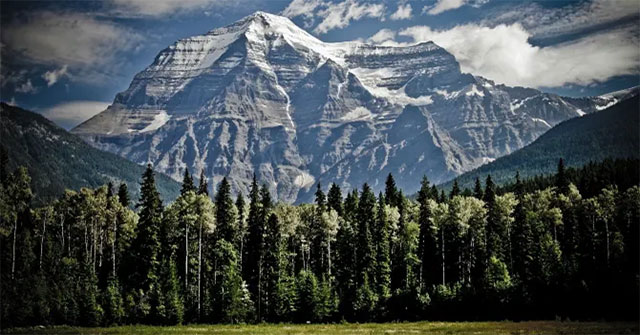
Life on Earth might not have evolved to advanced species like us if it weren't for the appearance of 2
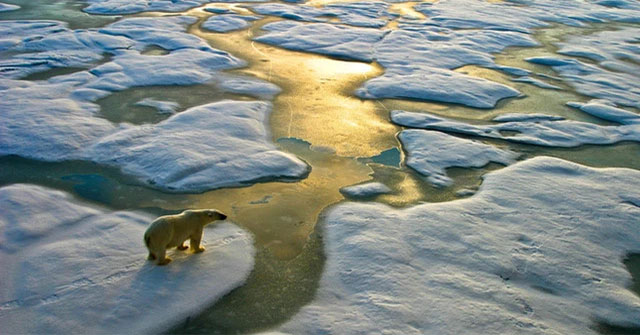
Earth's temperature could rise by as much as 4°C by the end of this century, despite commitments made at the COP26 Climate Summit, according to a new report.

Most volcanic activity happens beneath the ocean – but not everyone knows it.
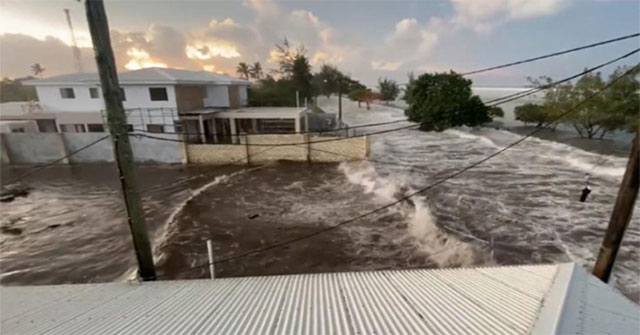
Volcanic tsunamis, like the one in Tonga on January 15, baffle scientists because of their complexity.

The undersea Hunga Tonga-Hunga Ha'apai volcano produces unprecedented amounts of lightning, accompanied by explosions that can be heard from thousands of kilometers away.