Environment
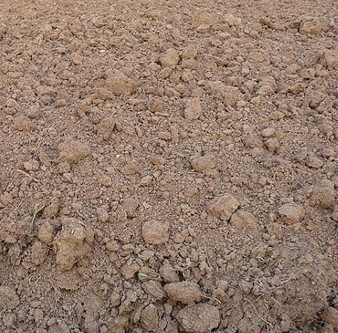
The Earth is about to lose 1/3 of its food land
Recent scientific studies show that if there are no timely interventions, humans may lose one-third of food land in the near future.
Browse ScienceInfo articles and explainers related to Food.
3,471 published items.
Recent scientific studies show that if there are no timely interventions, humans may lose one-third of food land in the near future.
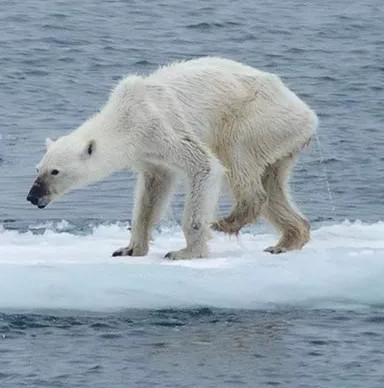
Network users are now transmitting a picture of a thin, polar bear looking for food in the Norwegian archipelago of Svalbard.

A series of mutations related to metabolic processes have helped nearly 1.5 million Russians survive the most devastating World War II siege campaign.
The study, published by the French Institute for Development Research (IRD), shows that about 1.5 million marine animals die each year from poisoning each year due to pl…
Beef is by far the most harmful protein for the environment due to animal husbandry activities.
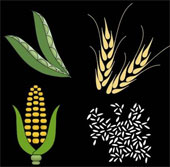
Many studies have demonstrated the ability of global climate change to cut down on food supplies.
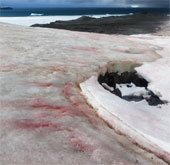
The existence of microalgae under ice or penguin droppings is the cause of diverse and vivid colors on white Antarctic ice sheets.
On 12 June, Czech Parliamentarians began discussing the terms of the 'On waste' revision to tighten the mandatory classification of organic waste and food waste.
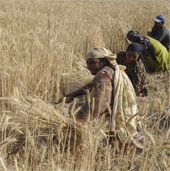
A new study by British, Australian and American scientists shows that climate change negatively affects crops at a more serious level than previously estimated.
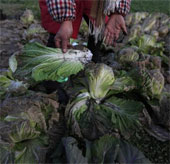
Associate Professor of China University of Water Resources and Agriculture Construction Dong Tian An affirmed that Chinese agriculture is severely affected by 'nuclear w…
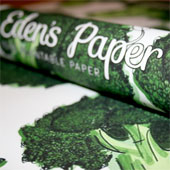
Every holiday season, people give each other gifts and a large amount of gift wrapping paper is released into the environment.
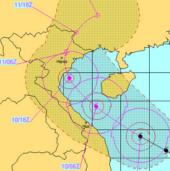
At an emergency meeting on November 10, Hanoi President Nguyen The Thao asked districts and districts to plan to emigrate from stormy areas in an emergency situation.
Escherichia Coli bacteria can cause serious food poisoning, even death. But recently, Korean scientists have used it for useful purposes: Creating gasoline.
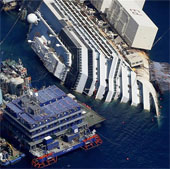
A huge amount of polluted water from rotting food and chemicals will escape to the environment after the salvage ship Costa Concordia was salvaged on September 16.

A study by a British expert showed that the temperature of the Earth increased, causing insects to destroy crops to expand their reach towards the Arctic and Antarctic.