Archeology
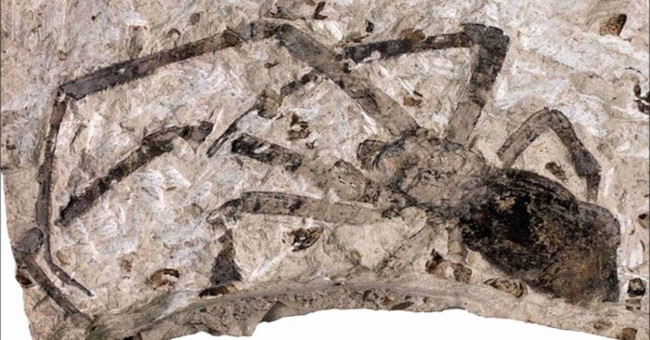
Searching for traces of giant spider monsters eating humans in ancient times
Earth in the past has had periods of global warm weather, abundant oxygen in the air, creating conditions for species to grow suddenly.
Browse ScienceInfo articles and explainers related to Fossil.
1,536 published items.
Earth in the past has had periods of global warm weather, abundant oxygen in the air, creating conditions for species to grow suddenly.
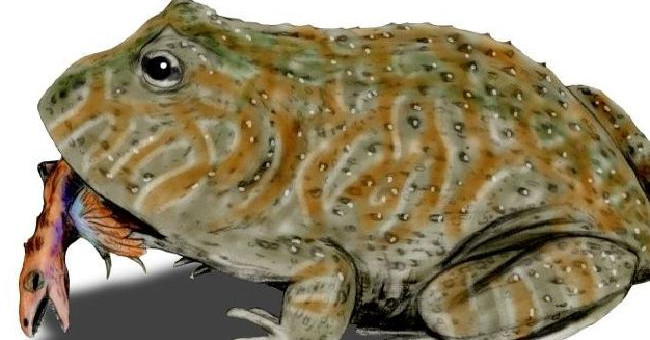
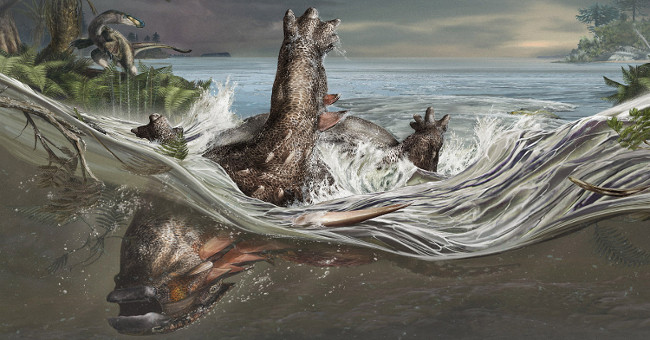
Researchers at the University of Adelaide, Australia, looked at the 68 million-year-old fossil of the species named Beelzebufo, also known as demon toad, according to Ne…
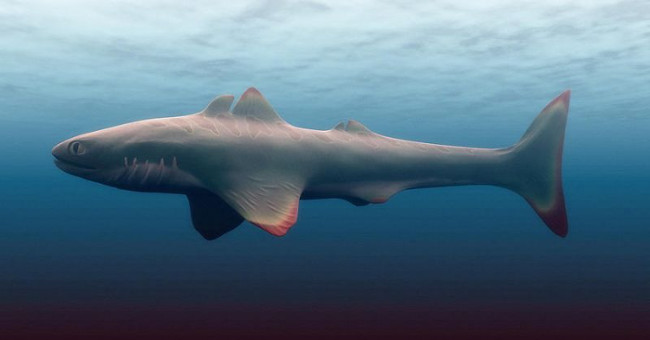
According to archaeological data of scientists after the discovery of their fossils in the Midwestern United States, Cladoselache is the ancestor of the shark.
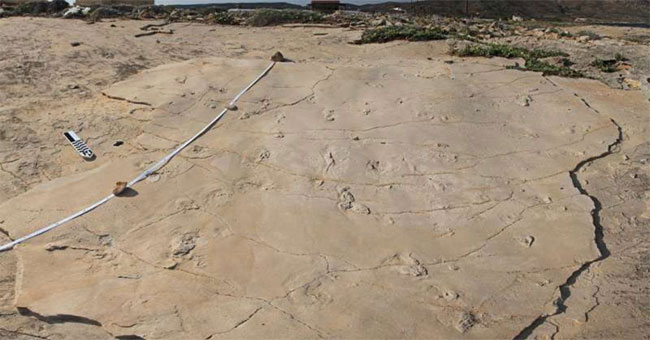
Scientists with the discovery of Australopithecus fossils in southern and eastern Africa in the mid-20th century have suggested that human origins originate in Africa.
The prickly nodosaur dinosaur, the ankylosaur's armored cousin, was discovered at the Suncor Millennium Mine in Alberta in 2011.
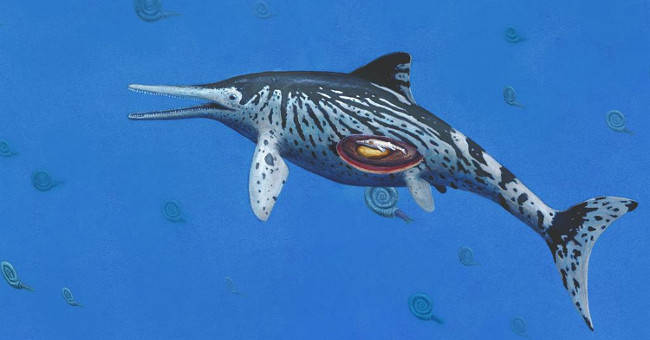
This is the fossil of the largest fish lizard ever found, IFL Science reported on August 28.

The new species was named Xibalbaonyx oviceps, based on the Mayan Xibalba referring to the afterlife.
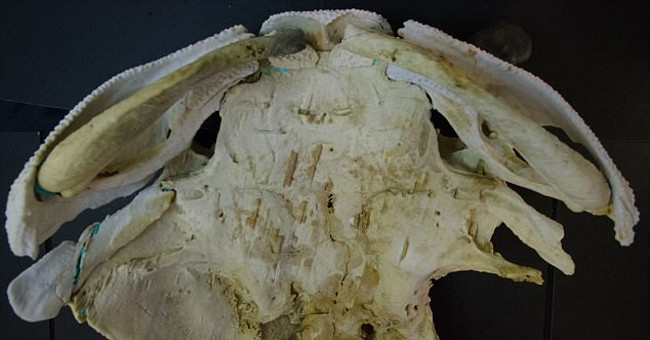
This ancient fossil was excavated in a limestone study around Lake Burinjuck - about 50km northwest of Australia's Canberra capital.
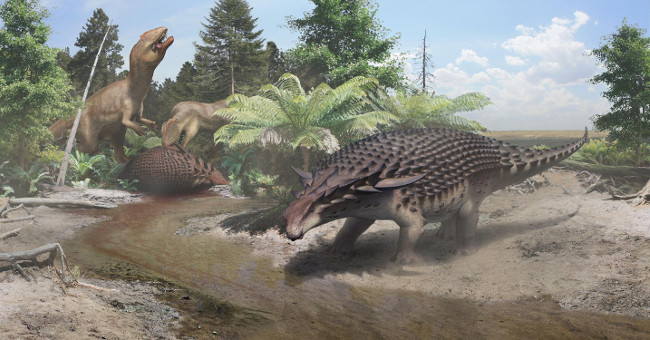
The team analyzed the exceptionally well preserved skeleton of a 5.5-meter-long fossil with complete armor from head to tail.
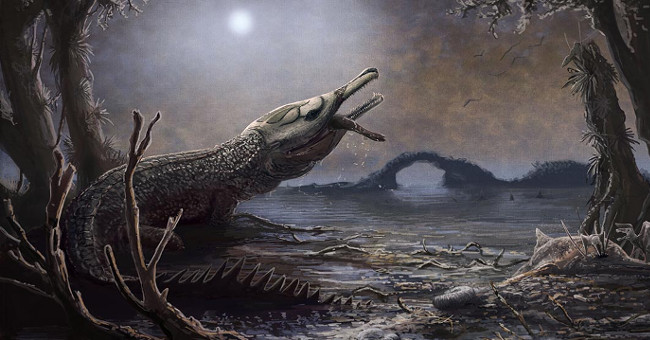
One of the most dangerous predators of the ocean, Lemmysuchus lives in coastal waters in the UK for more than 165 million years ago.
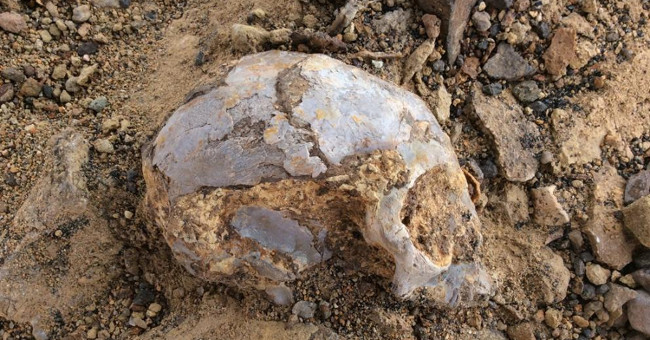
US scientists in the study published in Nature published the discovery of the oldest fossil of human ancestors living in Africa, National Geographic on 9/8 reported.

The dinosaur species is called Patagotitan mayorum - the largest creature ever to walk on land in history
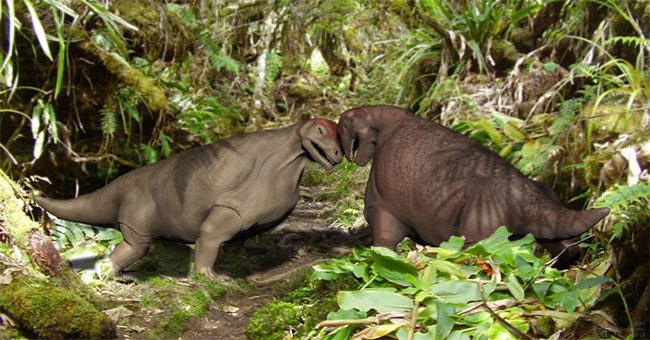
Moschops lived about 260 million years ago, about 2.7-5m long, has a small brain, is said to be a herbivore and likes to plunge into all things.
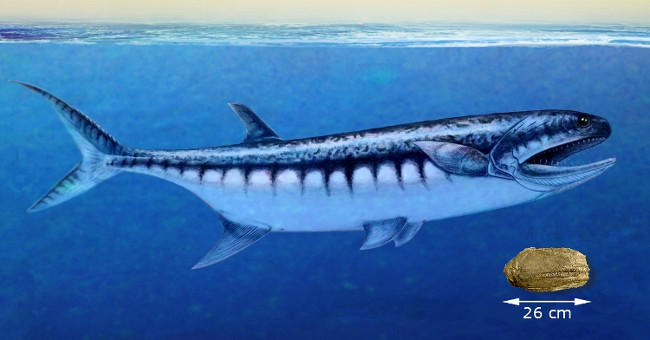
The organism was identified after scientists dug up a 25cm long skull including large teeth and many sharp little teeth inside.

One of the striking similarities between the two species is the large and prominent bone crest on the top of the head.