Biology
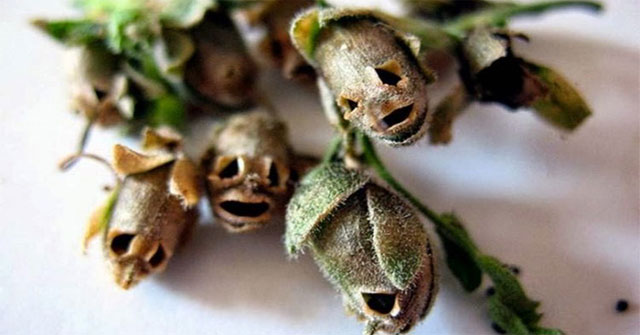
The flower is beautiful, but when it withers, it transforms into a terrifying skull.
Those vibrant flowers are beautiful only when they are fresh, but once they wither, their appearance becomes somewhat frightening...
Browse ScienceInfo articles and explainers related to Fresh.
419 published items.
Those vibrant flowers are beautiful only when they are fresh, but once they wither, their appearance becomes somewhat frightening...

Freshwater fish will die in the sea and rivers will flow into the sea. Everyone knows that freshwater fish cannot live in salty seawater, so where did the freshwater fis…
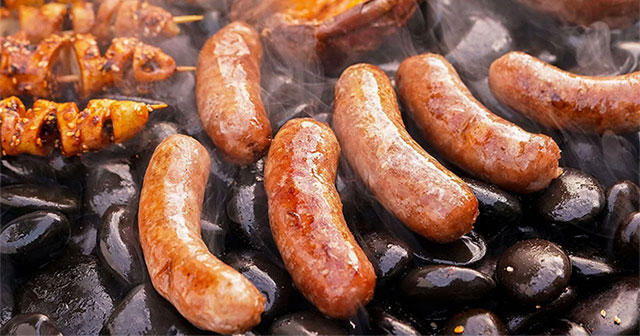
Stone-grilled sausage, a name that sounds both familiar and strange, has attracted young people by the way it is grilled (grilled on stone) and served with chili powder…

Green plants are not only beautiful, but also bring fresh air. Tiger tongue is one of them, let's learn about this plant with us!
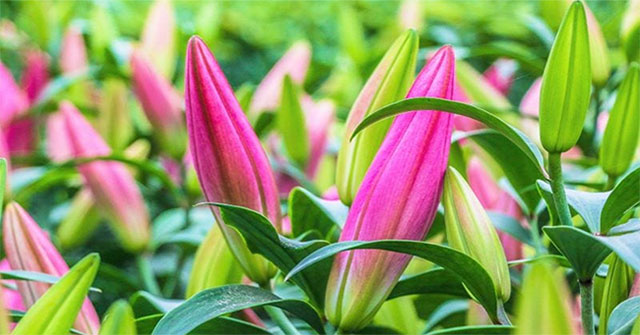
If you know how to take care of lilies and especially how to choose fresh lily branches, your vase can be displayed for 7-10 days during Tet.
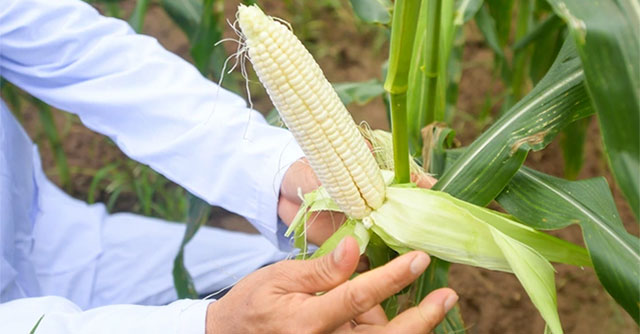
The Institute of Plant Research and Development has just launched a type of fruit corn that can be eaten directly without boiling, steaming, or baking. The corn is sweet…

Ginseng is not a new herb to Vietnamese people, however not everyone clearly understands the effects of ginseng.
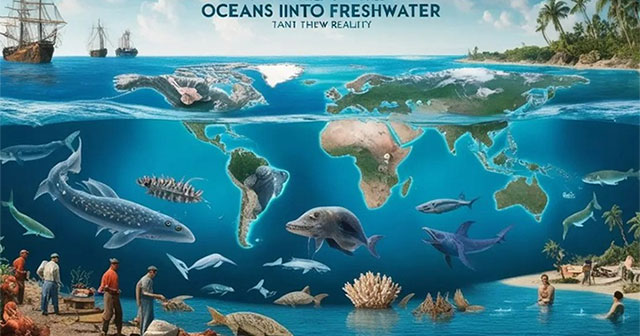
Water is a vital resource for all life on Earth, but in reality, this resource is becoming increasingly scarce.
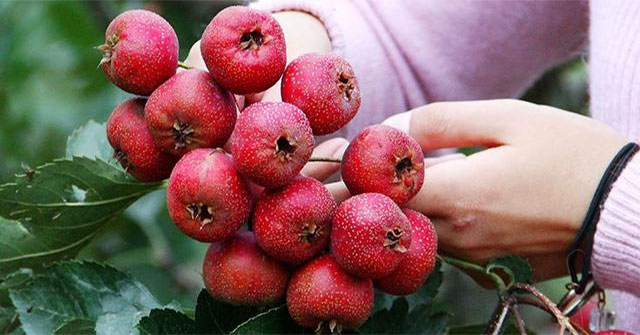
These two fruits have long been used as herbs to treat health problems, including being effective in preventing cancer.

Gangina is a traditional method of keeping grapes and other fruits fresh for several months, by keeping them in sealed containers made of wet soil.

We know that the fresher the food, the better, but fruits and vegetables spoil very quickly if not used immediately.
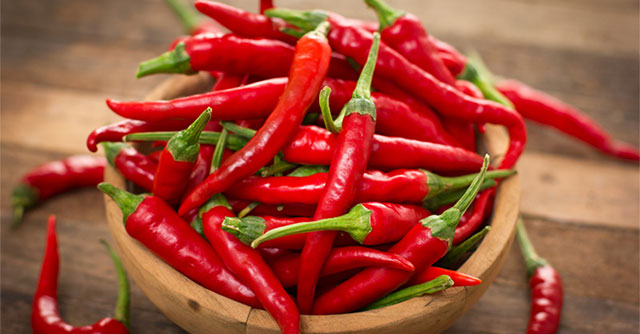
This is a very simple and practical tip for preserving fresh chili.

Engineers at the Massachusetts Institute of Technology (USA) have invented a cheap device that can turn seawater into drinking water using solar energy.
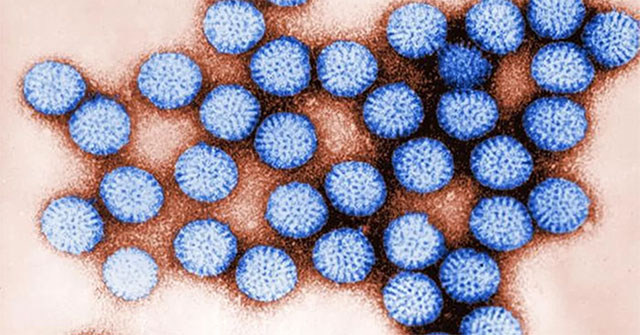
Researchers have found that dangerous viruses can remain infectious for up to 3 days in freshwater environments by attaching to plastic objects.

The coating, developed by the Rutgers School of Public Health, can be sprayed on food, washed before eating, and takes just three days to break down in the soil.