Space science
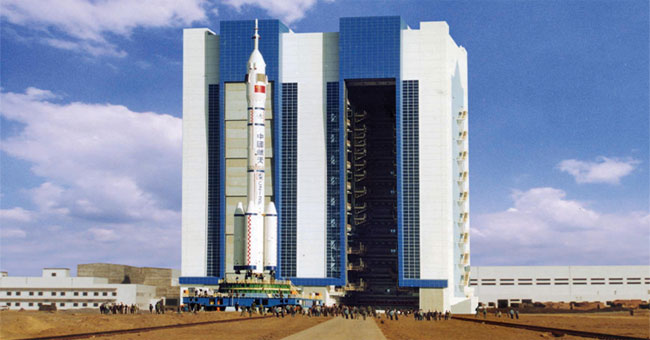
China successfully launched Truong Chinh-5 boosters
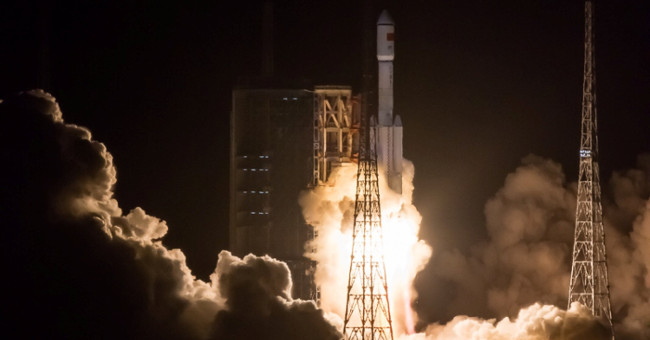
China on November 3 successfully launched the Truong Chinh-5 heavy rocket into orbit. This is the first time China has launched the Truong Chinh-5 rocket launcher.
Browse ScienceInfo articles and explainers related to Fuel.
886 published items.
China on November 3 successfully launched the Truong Chinh-5 heavy rocket into orbit. This is the first time China has launched the Truong Chinh-5 rocket launcher.
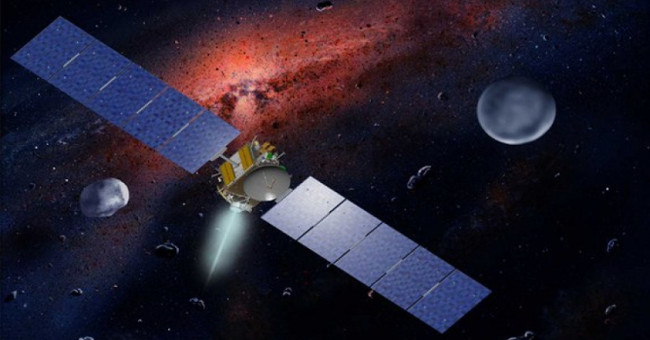
Self-repair plasma-fueled rocket fuel has many times the life required to fly to Mars as a vehicle.
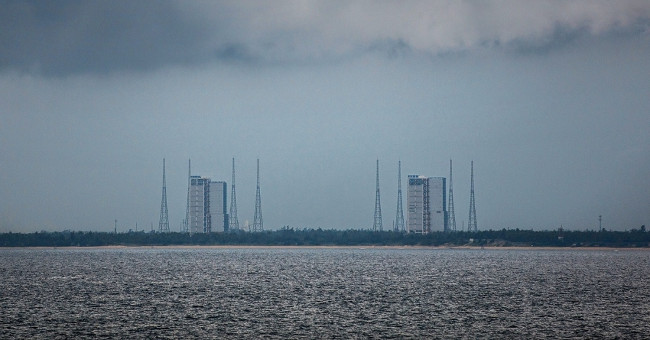
The location near the sea of the Hainan Satellite Launching Center increases the speed and fuel economy of missiles.
China claims to successfully test a satellite refueling system right on the orbit called Tianyuan-1.
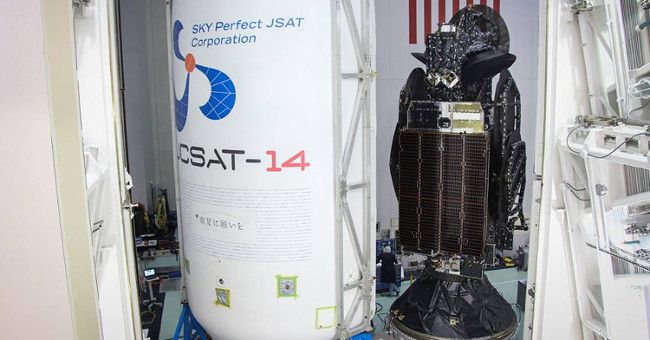
According to the original plan, SpaceX intends to launch Falcon 9 missiles to bring Japan's JCSAT-14 telecommunications satellite to space, at 12:21 minutes (Vietnam tim…
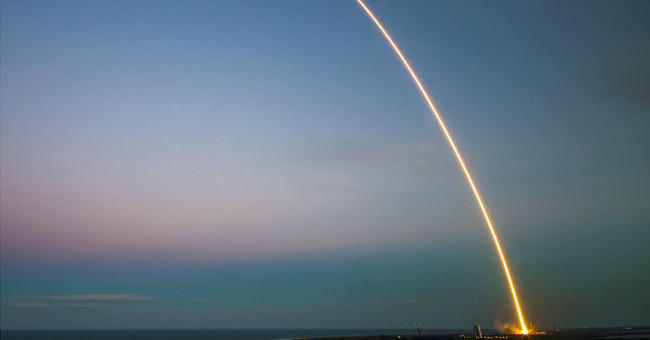
In the early morning of March 5, Vietnam, SpaceX launched Falcon 9 rocket into space and successfully put SES-9 satellite into orbit, after 4 previous delays.
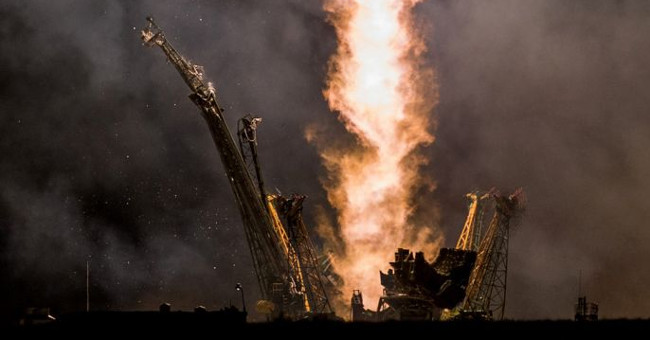
The Roscosmos Russian Space Agency is developing a methane rocket engine to compete in the global race.
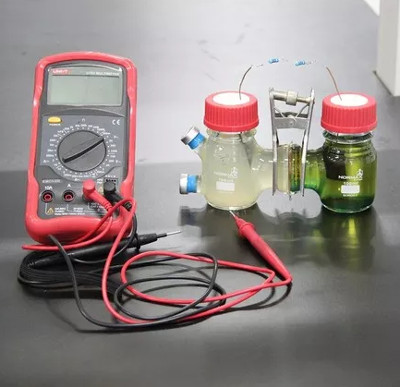
This system can produce a stable current and does not depend on weather or location.
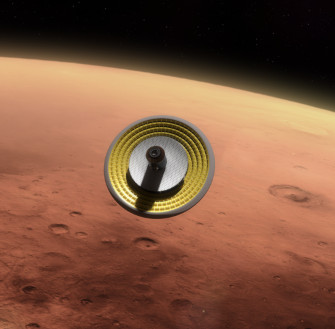
Fuel used to send spacecraft carrying astronaut astronauts back to Earth can be produced right on the red planet, by extracting oxygen and liquid methane from groundwate…
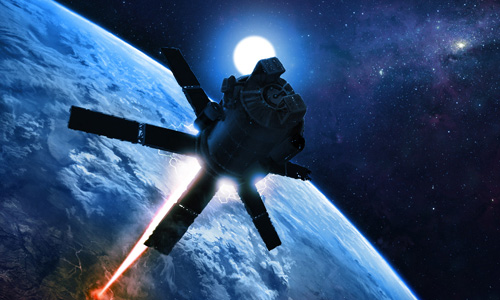
The dream of traveling to the distant galaxies of humans can be realized by micro-spacecraft moving by lasers.

Will spacecraft fragments fall to Earth, do they threaten our lives?
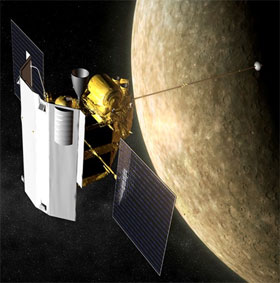
The US Aeronautics Agency (NASA) said the Messenger probe crashed into Mercury's surface because it ran out of fuel after 11 years of operation.
According to scientific news in Gizmag newspaper, Space Exploration Technology Corporation SpaceX successfully launched the first two artificial satellites in the world…
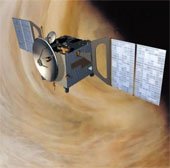
The European Space Agency (ESA) announced on December 16 that the Venus probe
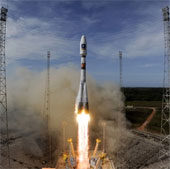
Freezing fuel on Russia's Soyuz missile caused two satellites of Europe's Galileo global positioning system to fly wrongly in August.