Space science
Russia first tested space missiles since Soviet times
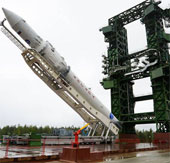
On July 9, Russia launched its first test of new space boosters since 1991, initially aiming to limit dependence on aerospace in Kazakhstan and other regions.
Browse ScienceInfo articles and explainers related to Fuel.
886 published items.
On July 9, Russia launched its first test of new space boosters since 1991, initially aiming to limit dependence on aerospace in Kazakhstan and other regions.
Russia will test the first new space missile since 1991 and launch from domestic territory, to limit dependence on aerospace in Kazakhstan and other regions.
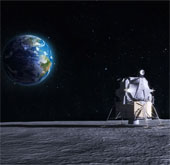
As the world's largest energy consumer, China is acutely aware of its mission to tackle energy supplies in the coming decades, and the source of energy in the Moon is Be…
A disconnected bus-sized satellite from 2012 could explode and release a catastrophic waste cloud in Gravity.
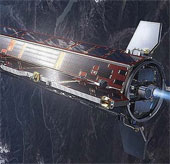
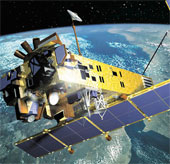
On November 11, the European Space Agency's (ESA) satellite GOCE entered the Earth's atmosphere and caught fire.
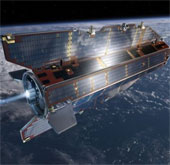
The European Space Agency (ESA) recently announced that an artificial satellite weighing about 1 ton is about to fall to Earth uncontrollably.
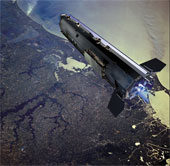
A European satellite promises to soon become the latest
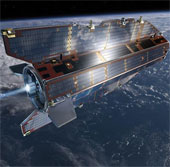
The European Aeronautics Agency (ESA) announces the satellite Current and Gravity Explorer (GOCE) operation, which has been running out of fuel since 2009 and will fall…
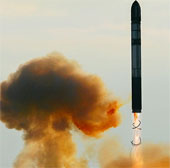
Russia can use Satan SS-18 heavy intercontinental ballistic missiles to destroy small meteorites that threaten Earth.
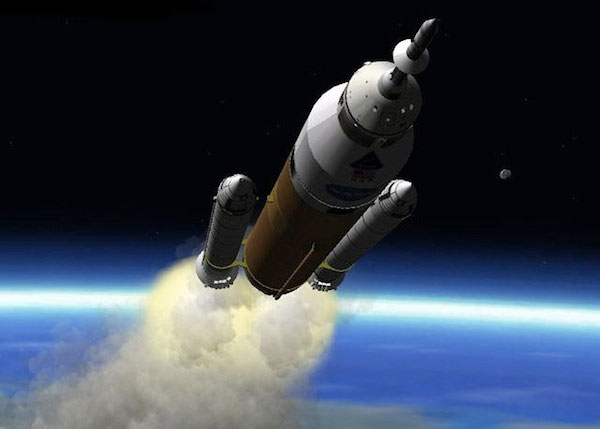
According to Skolkovo Innovation Center, which is called
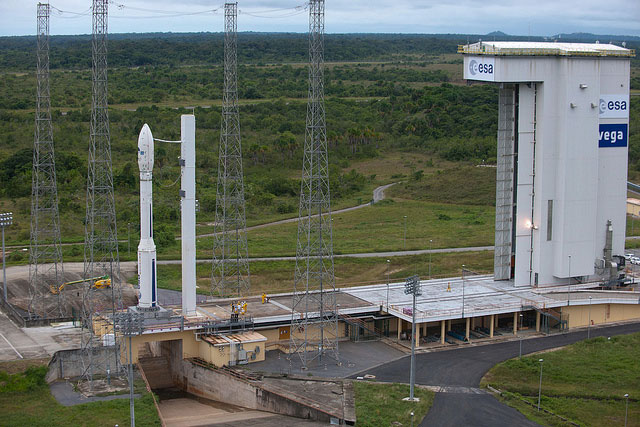
The 30-meter Vega missile can carry goods weighing about 2.5 tons or less, worth about 776 million euros, of which Italy contributes about 60% of the total value of miss…
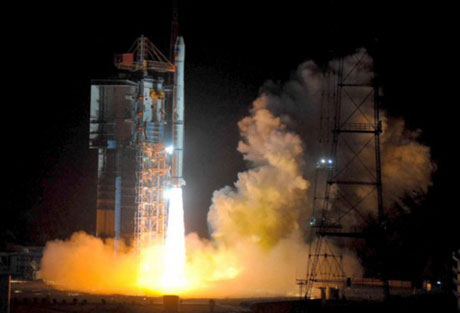
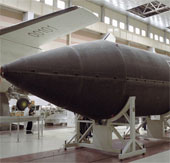
The Chinese Institute of Missile Technology announced yesterday that it has completed the construction of the Chinh 5 Missile fuel tank, which can carry out long-range f…
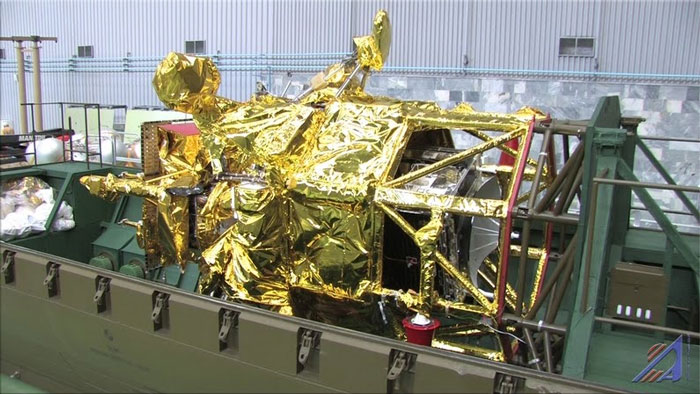
Experts of the Russian Federal Space Agency (Roskomos) were embarrassed to see the altitude of the Mars spacecraft, wandering in the air, rising abnormally.
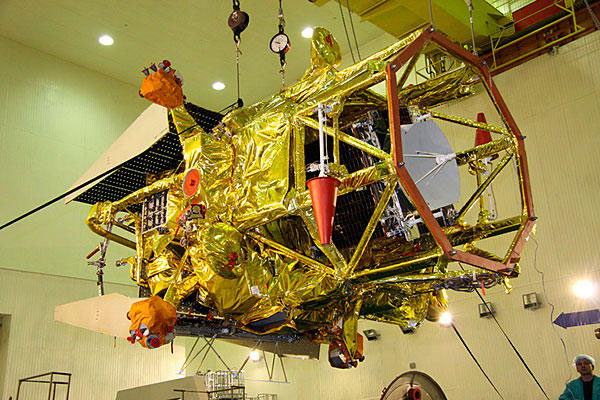
Russia's spaceship launched on Mars failed to roam Earth's orbit with 12 tons of toxic fuel.
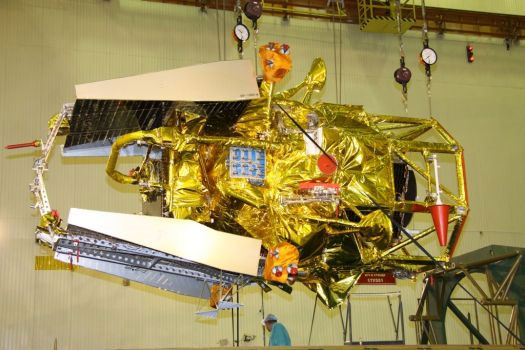
On November 14, the director of the Russian Space Agency Vladimir Popovkin said the Phobos-Grunt spacecraft could explode and release the Earth's atmosphere of 12 tons o…