
New technology
Sails for transport
Carriage of cargo on board sea transport is considered to have a reasonable cost. However, with about 45,000 freighters worldwide using low-grade fossil fuels, their emi…
Browse ScienceInfo articles and explainers related to Fuel.
886 published items.
Carriage of cargo on board sea transport is considered to have a reasonable cost. However, with about 45,000 freighters worldwide using low-grade fossil fuels, their emi…

According to research conducted by Exeter University in 2007, traffic congestion is not necessarily caused by accidents, sometimes because some drivers suddenly slow dow…

Numerous scientists have studied the technology that transforms sewage into fuel. Sarah Haigh - a nanotechnology expert at the University of Manchester in the UK - is on…

Flying cars are no longer just in science fiction novels anymore. Terrafugia (USA) said the car has just completed its first flight, so it is likely that it will start s…
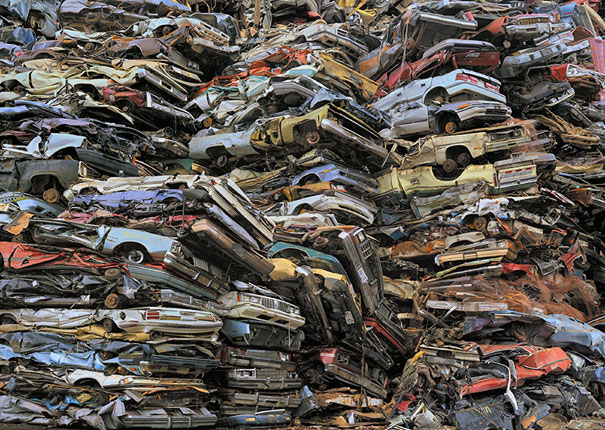
Japan's Shimizu Construction Company has successfully developed a waste-to-energy generator at home to provide office buildings.

A snail's blood sugar is used to generate electricity for special electrodes in its body. The meaning of this discovery is that one day our bodies will also make electri…

To save on fuel, people often shrink the size of the car. The compactness also shows the convenience of the driver finding the parking space. The world's smallest ca…
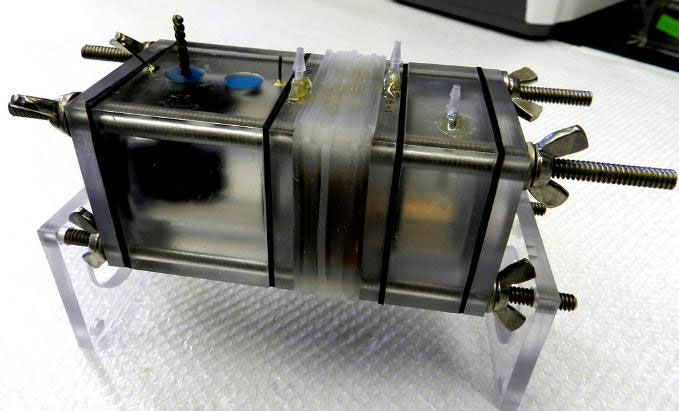
The team of experts from Pennsylvania State University says the new technology can also filter waste water into clean water, particularly for developing countries.

An oil-like fuel made from artificial leaf technology promises to be one of the main sources of fuel, British experts have said. Instead of producing organic matter from…
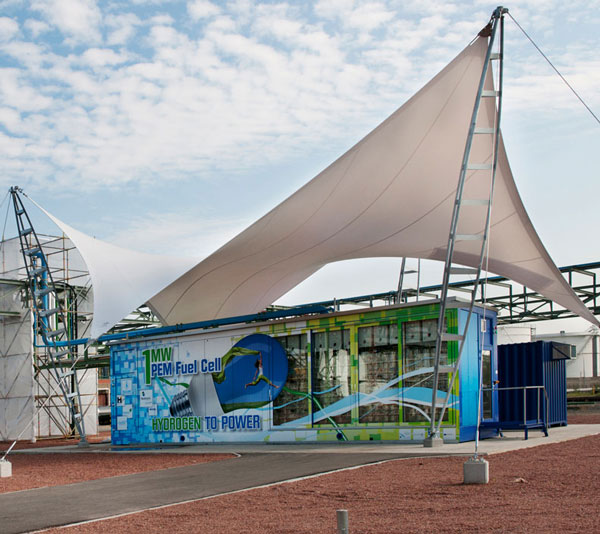
Solvay Large Industrial Chemical Group (Belgium)
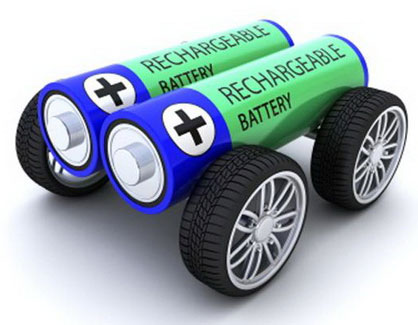
New Scientist magazine has published an impressive new development and development of IBM's battery technology, providing enough power for electric cars to operate f…

Scientists working at the US Naval Laboratories (NRL) plan to use advanced microbial fuel cells (MFCs), which will provide enough electricity in the long run (from proce…
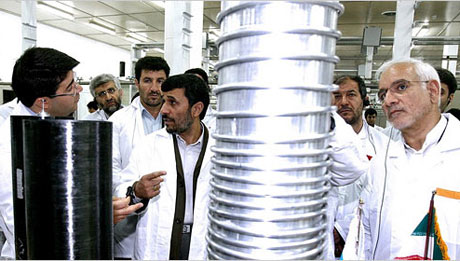
Iran's Atomic Energy Agency (AEOI) yesterday announced that its scientists have produced the first nuclear fuel rod.
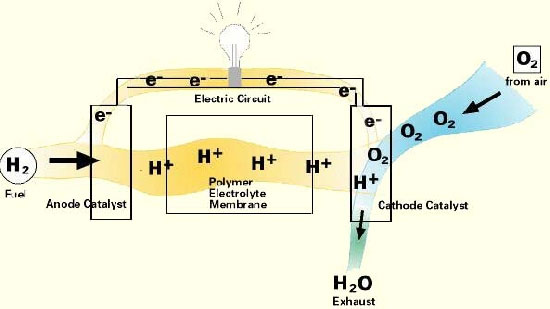
Scientists working at the University of Aalto, Finland, have announced the development of a significantly cheaper ALD method to produce higher quality fuel cells.
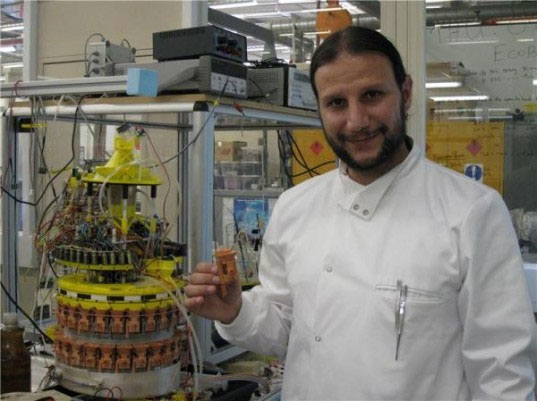
For the first time, British experts have succeeded in using urine to create electricity, opening up new directions for the world's energy industry in the future.