Space science
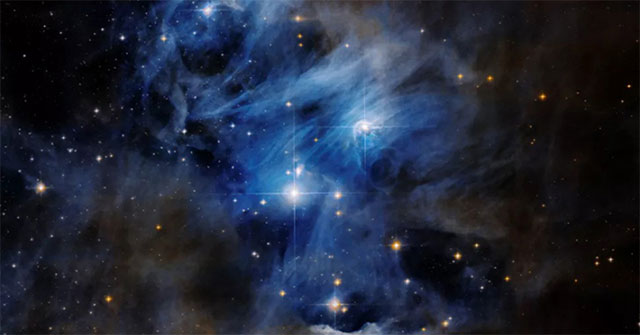
Photo of a beautiful stellar nursery 522 light-years away
The Hubble Space Telescope provides a stunning updated image of the Chamaeleon Cloud 1 in the Southern Hemisphere sky.
Browse ScienceInfo articles and explainers related to Gas.
1,386 published items.
The Hubble Space Telescope provides a stunning updated image of the Chamaeleon Cloud 1 in the Southern Hemisphere sky.
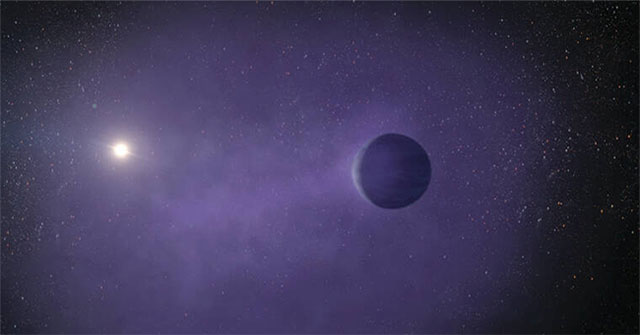
The spectacular transformation of two future super-Earths has been recorded by NASA/ESA's Hubble Space Telescope and WMKeck's Keck II Telescope (located in Hawaii).
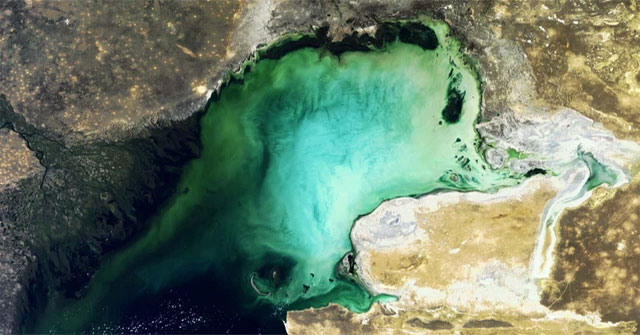
Azerbaijan, Iran, Kazakhstan, Russia, and Turkmenistan, the countries that surround the Caspian, cannot agree on whether this is a lake or a sea.

Scientists claim that the 'machine tree forest' has the ability to absorb C02 in the air, helping to slow down the rate of climate change.
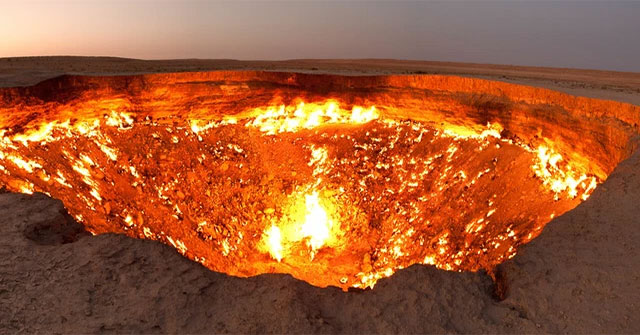
Some Turkmen geologists say the crater appeared in the 1960s but did not start burning until the 1970s, and it has been in the Karakum desert for the past 50 years.
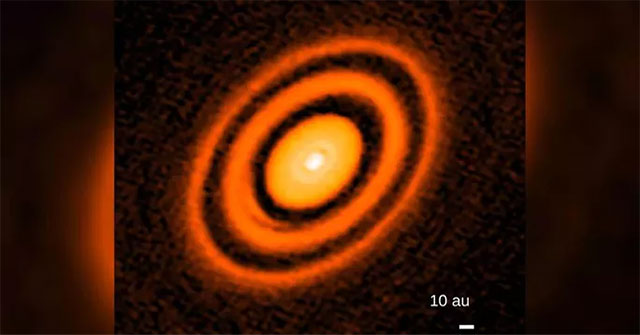
Dense rings of dust around a Sun that look nothing like the Sun today have prevented our planet from evolving into a super-Earth.
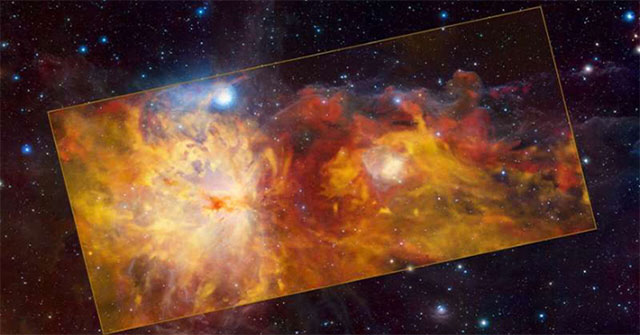
The European Southern Observatory (ESO) has released a stunning update of the nebula NGC 2024 in the constellation Orion.
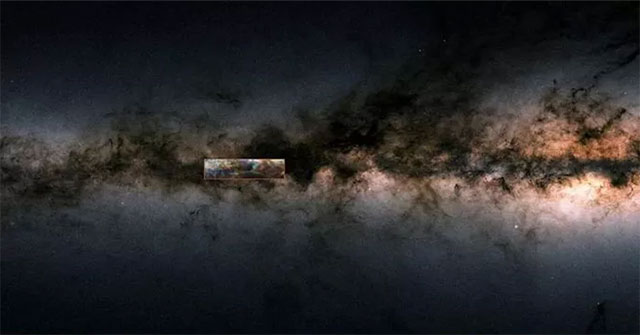
Maggie is a mysterious, unknown, and one of the largest filamentous structures ever observed in a galaxy containing the Earth's Milky Way.
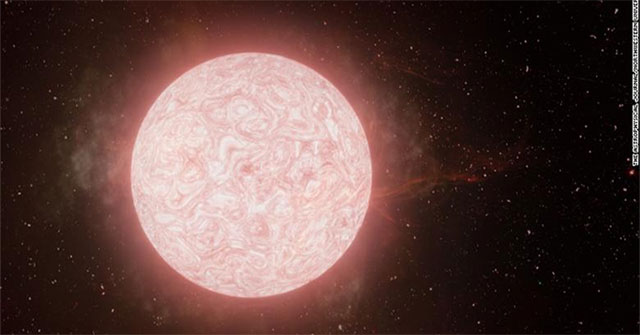
Astronomers have observed this 'dead end' period when a massive star explodes, ending its existence.

An outdoor gas station using fully automated refueling robots was put into operation on December 29 in southwestern China.

Suppose a bad guy wants to pour sugar into your car's tank to destroy it, what will be the consequences???
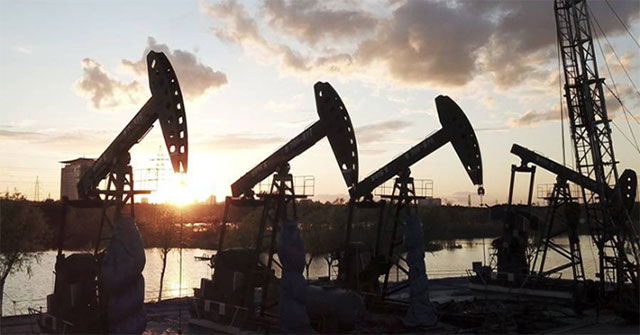
Scientists have found a bacterium that can directly digest crude oil and produce methane gas, making mining more efficient.
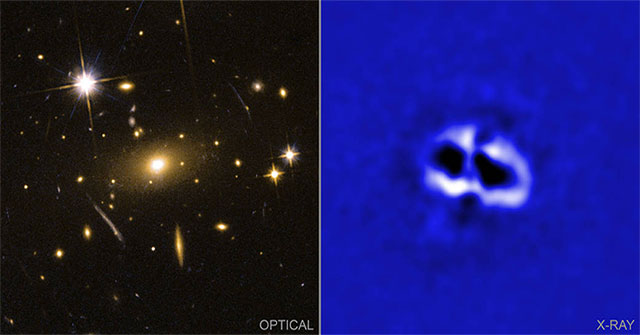
Scientists have found four massive holes at the center of a galaxy cluster thanks to NASA's Chandra X-ray Observatory, which are linked to a pair of monstrous black hole…
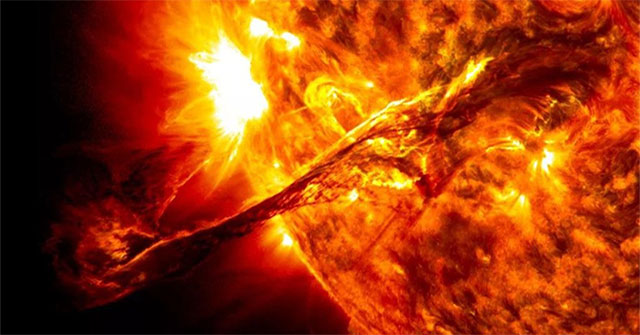
A small version of the Sun recently produced an eruption of magnetic plasma gas 10 times larger than any sun-like star ever seen.

Scientists have discovered a huge and terrifying source of laughing gas called Yedoma, a type of permafrost, that affects the warming of our planet.