
Biology
Genetically modified plants produce many new drugs
Recently, US scientists have discovered a new method to expand the pharmaceutical features of some crops through genetic modification.
Browse ScienceInfo articles and explainers related to Gene.
1,953 published items.
Recently, US scientists have discovered a new method to expand the pharmaceutical features of some crops through genetic modification.
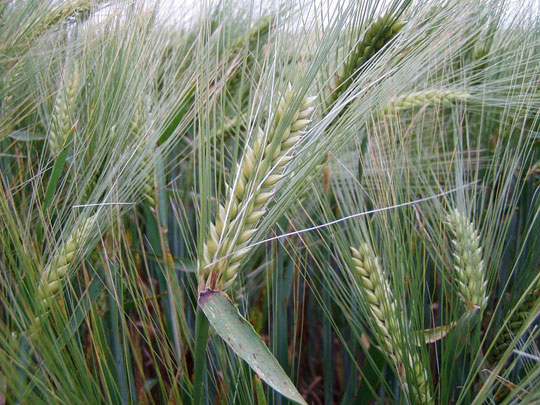
Scientists decoded the viral genome of vascular powdery mildew and found the parasitic gene called transposon.
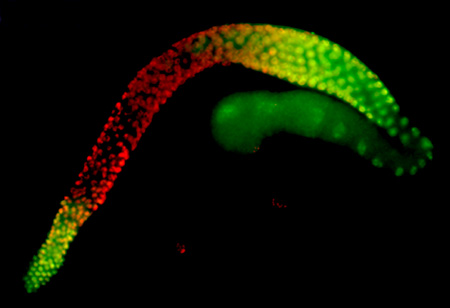
It's just a worm, a small roundworm that lives in the soil - but has a great significance for biomedical and biological cycles day and night ...
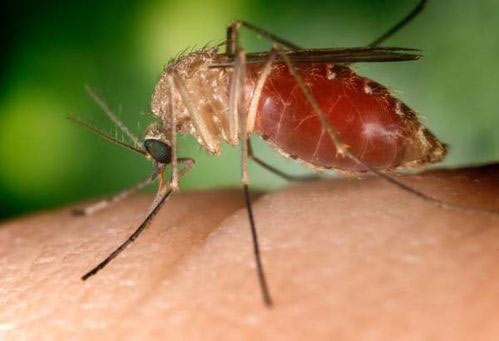
Researchers at UC Riverside University are leading the way in a multi-year research project to find new, more effective remedies to treat certain diseases caused by West…

Scientists from Canada and Denmark have deciphered the bacterial immune system, helping to solve the problem of drug-resistant bacteria.

Scientists from India's National Plant Genome Research Institute have successfully cultivated a genetically modified potato strain.
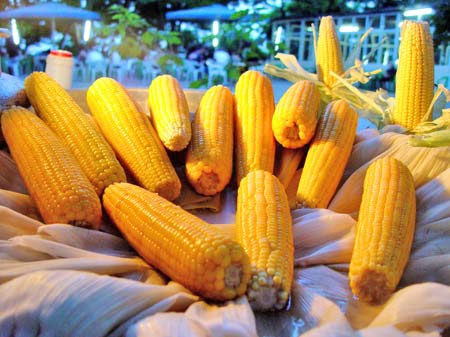
Despite being the second largest rice exporter in the world, 6.7% of Vietnam's population still lacks food. One of the reasons

On Wednesday, US scientists said they had decoded 99% of the genetic sequence of cocoa trees. This result can provide more information

A rather interesting scientific information has revealed that scientists have discovered a gene that allows insects to regenerate their body parts after being removed.
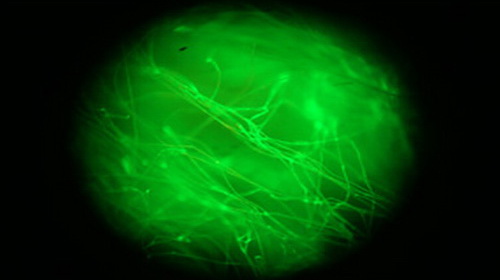
Notre Dame University (France), Wyoming University (USA) and biotechnology company Kraig Biocraft (USA) have succeeded in producing genetically modified silkworms capabl…

A rare plant species in Japan with scientific name Paris japonica carries on it the largest genome ever known.

American scientists have successfully combined artificial mitochondrial genome on white mice from 8 DNA segments formed by 60 nucleotides.

About a fifth of the rat species are new versions that appear in the past 90 million years of evolution.

Japanese scientists have for the first time captured photographs of
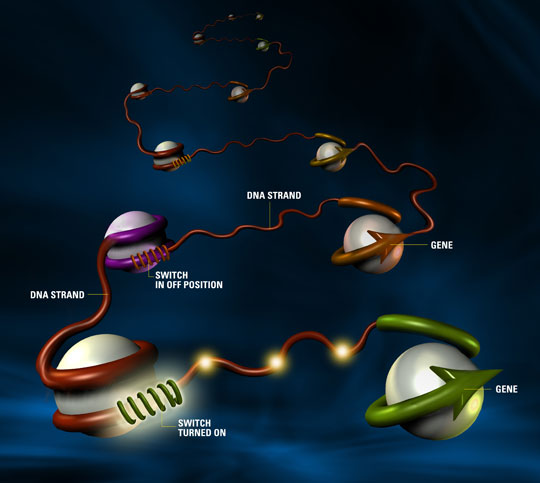
Scientists have not yet grasped the number of genes needed to make humans, but only more human genes than chicken genes but less than tiny grapes.