Biology
Listen to mice 'sing' like birds
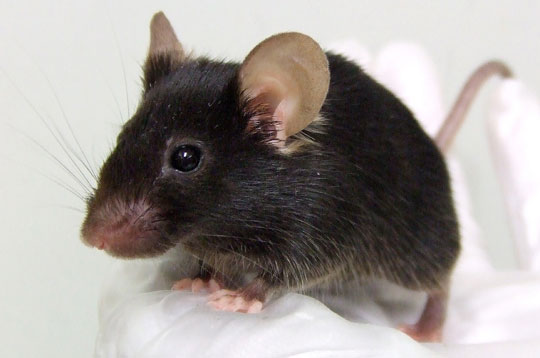
A group of scientists from Osaka University (Japan) have created genetically modified mice that can 'sing' birds. This success can ...
Browse ScienceInfo articles and explainers related to Genetics.
196 published items.
A group of scientists from Osaka University (Japan) have created genetically modified mice that can 'sing' birds. This success can ...

A rare plant species in Japan with scientific name Paris japonica carries on it the largest genome ever known.

During the experiment, Japanese scientists discovered mechanisms to inhibit food allergies in animal bodies.
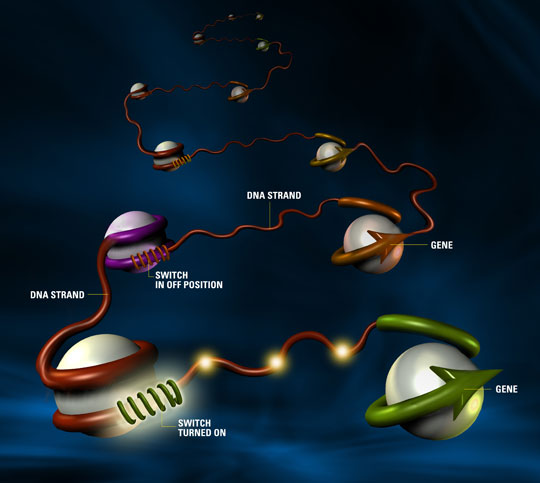
Scientists have not yet grasped the number of genes needed to make humans, but only more human genes than chicken genes but less than tiny grapes.
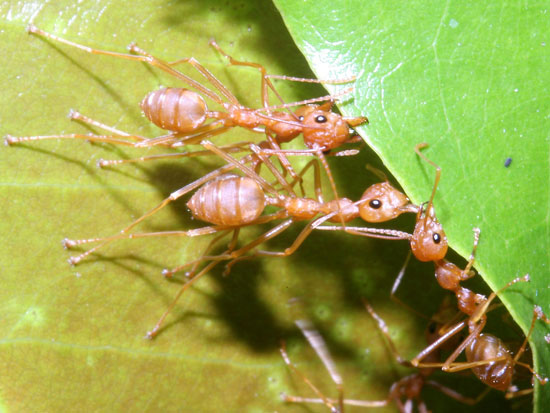
Dr. Danny Reinberg, of New York University, was awarded the ants' epigenetics research to help determine the impact of lifestyle and environment on genes.

Scientists from the University of Newcastle (UK) have created embryos containing DNA of a man and two women.

Researchers report that American scientists have discovered a gene that causes genetic baldness.

Several days, hundreds of people rushed to Mr. Tran Van Hung's house (Phong Chau, Viet Tri, Phu Tho) to witness the 35 kgs of bean tubers that have just been harvested.

Scientists at the University of Calgary, Canada have announced that they have deciphered one of the genetic secrets of opium.

The group of international experts headed by German scientists has stated that a gene has been found to increase the risk of atrial fibrillation.

On January 13, scientists decoded the soybean genome. This is a 15-year study of 18 organizations, mostly of the United States.

Many DNA testing companies in the world are promising to make silk and maternal love for couples based on the results of genetic analysis.

The group of scientists from the Institute of Biotechnology has successfully applied genetic engineering of RNAi in the study of creating transgenic plants resistant to…
A team of researchers recently discovered three genes created by non-coding DNA, which may have helped humans evolve into high-level animals like today.

Scientists have found genes that determine when to start and end a woman's reproductive function.