Archeology
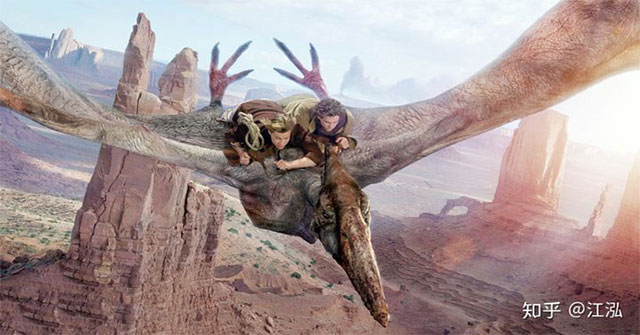
If flying dinosaurs were not extinct, could humans tame them into mounts?
Mankind has the ambition to conquer and domesticate wild animals, but if flying dinosaurs aren't extinct, can humans tame them into mounts?
Browse ScienceInfo articles and explainers related to Giant.
2,578 published items.
Mankind has the ambition to conquer and domesticate wild animals, but if flying dinosaurs aren't extinct, can humans tame them into mounts?

The massive earthquake that caused a massive tsunami across the Indian Ocean on December 26, 2004 has become the deadliest and most devastating natural disaster of this…
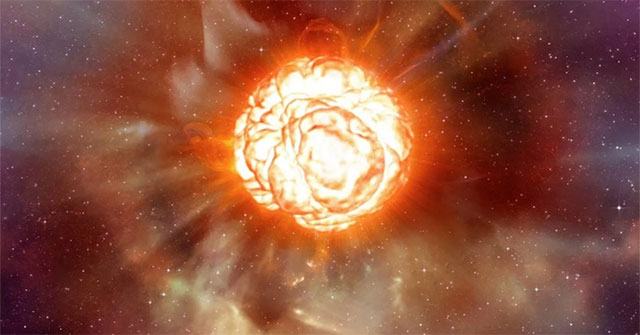
When it happens, the explosion of a star larger than 1,000 Suns can be seen from the Earth even in the morning.
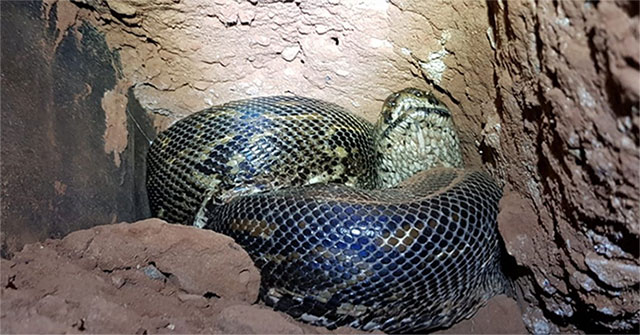
In the process of digging large pythons, the group of workers accidentally bumped into a 'third person' and was attacked so painfully that they fled.
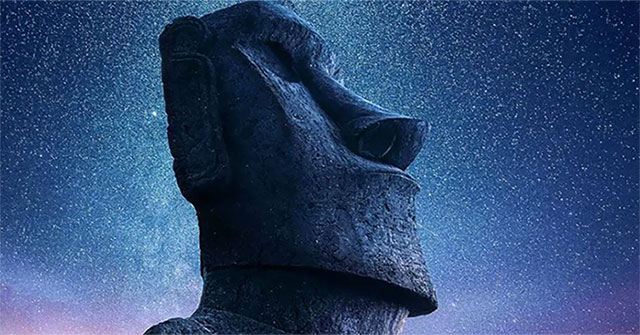
For hundreds of years, they stood and watched in silence: 'Moai', a mysterious union of nearly 1,000 carved monolithic statues, erected on the isolated landscape of the…
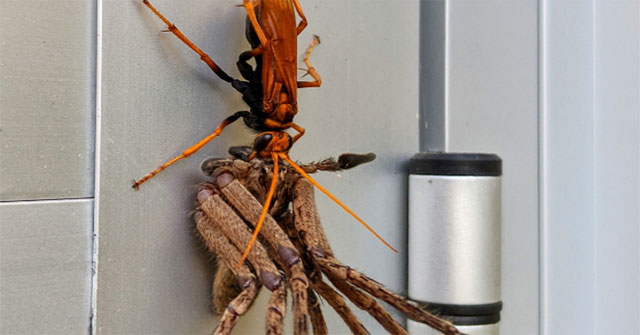
The Australian couple was stunned to witness the sight of the wasps sagging the hunter spider about twice its size.

Moments of the sunset sunset on the mountain archaeological site with giant stone heads makes visitors overwhelmed.
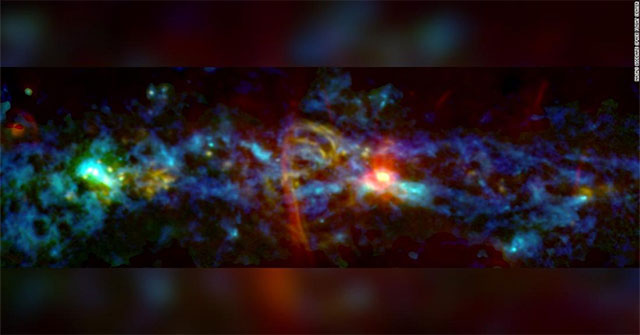
The new NASA image released on December 19 reveals the 'birthplace' of stars in our central Milky Way.
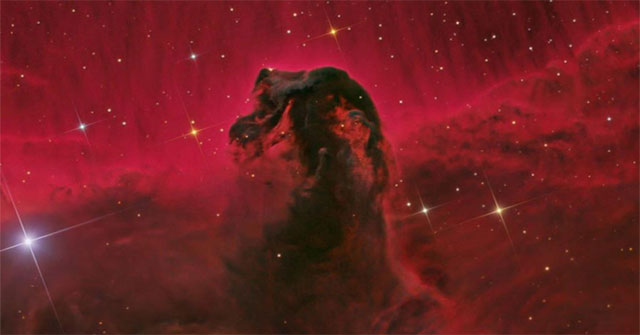
The image was compiled based on data from many satellites showing the special shape of the Horsehead Nebula 1,500 light-years from Earth.
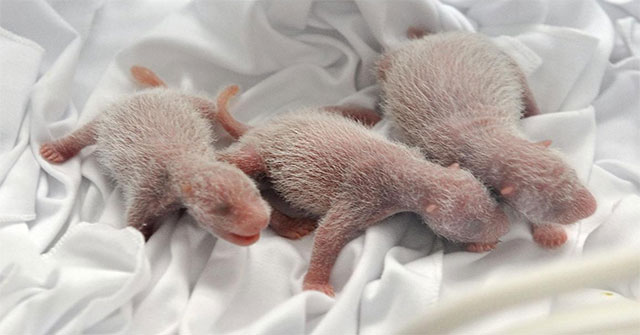
Did you know that an adult giant panda can weigh more than 100 kg, but at birth, the baby weighs less than 100 grams, the same as a newborn cat. The disparity is so grea…
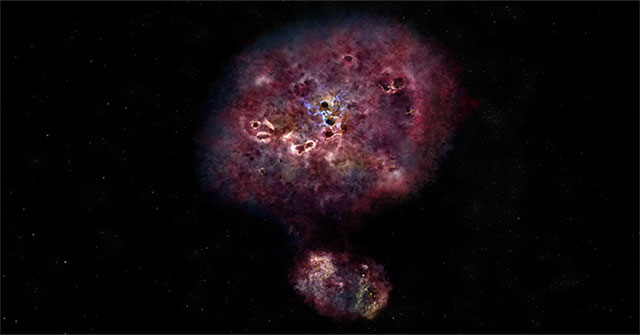
Thanks to the ALMA telescope system in Chile, scientists observed MAMBO-9, a galaxy filled with cosmic dust and creating new stars.
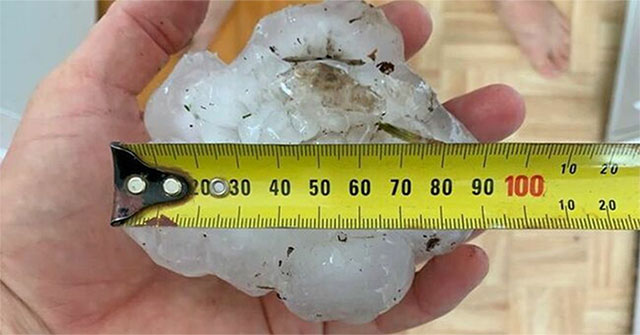
A huge hailstorm on December 13 happened in southeast Queensland, causing serious damage to crops, houses and vehicles.
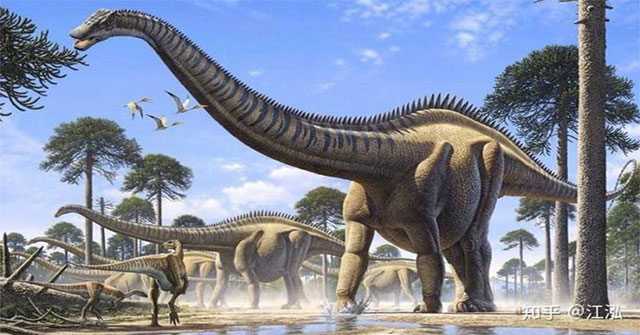
Archaeologists have discovered the oldest hairy dinosaurs on Earth, living in North America and about 150 million years ago.
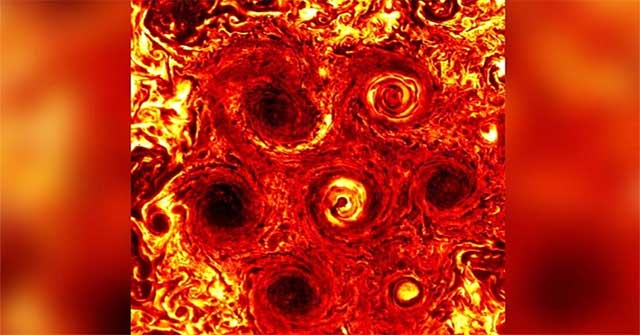
NASA's Juno observed a tornado covering an area of nearly 700,000 km2 during a flight close to the surface of Jupiter in November.
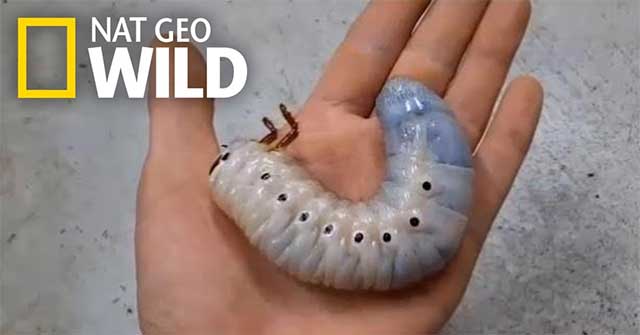
Instead of spitting out silk and wrapping itself in cocoons, the Hercules beetle builds itself into the capsule with its own droppings and changes its morphology.