Environment
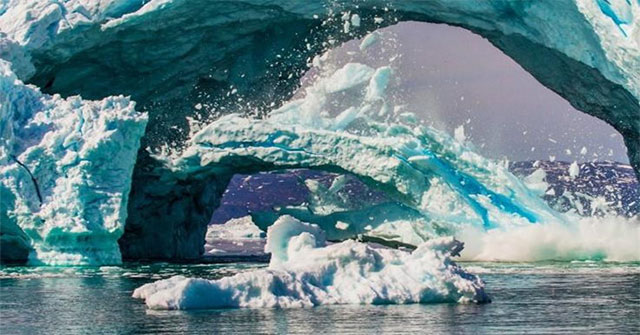
Greenland ice melted six times faster, raising global sea levels
Scientists have found that the area of Greenland ice sheets is decreasing with the melting of ice into the oceans never seen in nearly half a century.
Browse ScienceInfo articles and explainers related to Global.
1,174 published items.
Scientists have found that the area of Greenland ice sheets is decreasing with the melting of ice into the oceans never seen in nearly half a century.
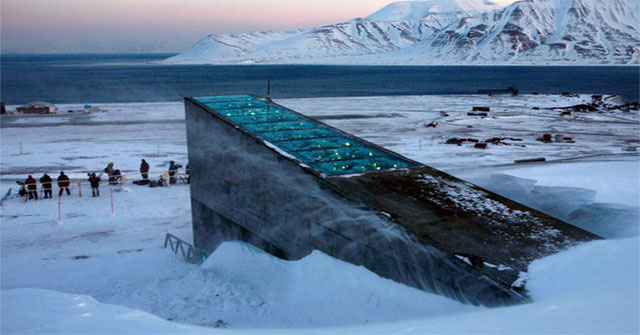
On Norway's Svalbard peninsula, near the permafrost of the Arctic there is a special energy building.

Professor Wallace Smith Broecker, Columbia University had correctly predicted the increase in carbon dioxide levels in the air, causing the Earth to warm up.
For a long time, NASA has been known around the world not only for its incredible achievements but also for its high technology and fame in science films.

Scientists warn, some populations of popular turtles may disappear.

This SS7 system is the place to connect global telecom operators together, and sadly, the vulnerabilities that exist in it for more than 20 years could be exploited to e…
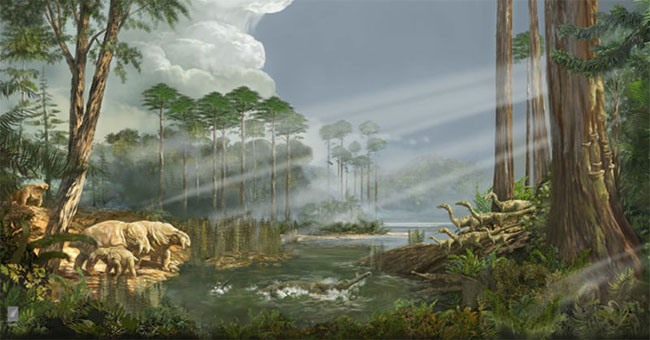
In the history of Earth there have been many mass extinctions. And according to a recent study, at least two of them are caused by global warming.
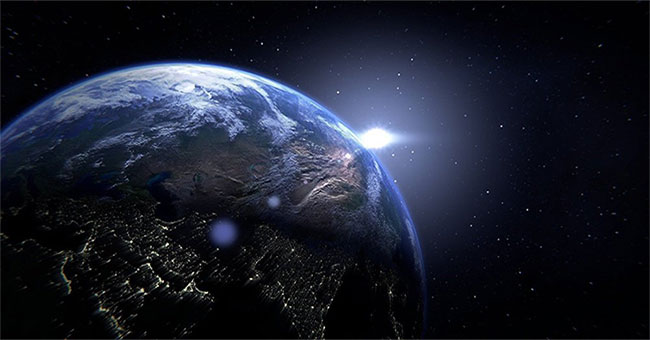
According to Sputnik, researchers at Massachusetts Institute of Technology (MIT) in 1973 created a global stability model.
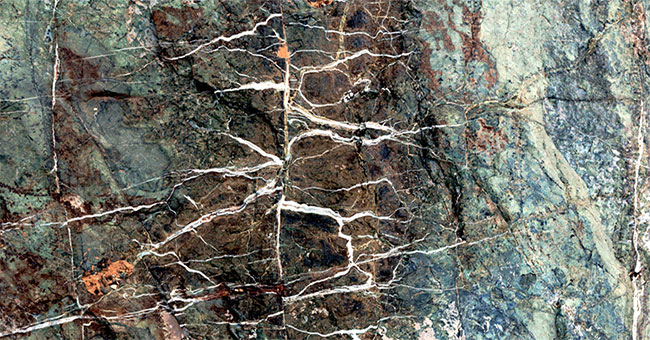
An extremely popular stone on the East and West coasts called Peridotite may be the savior of humanity in the future, when the Earth is getting hotter due to CO2 causing…
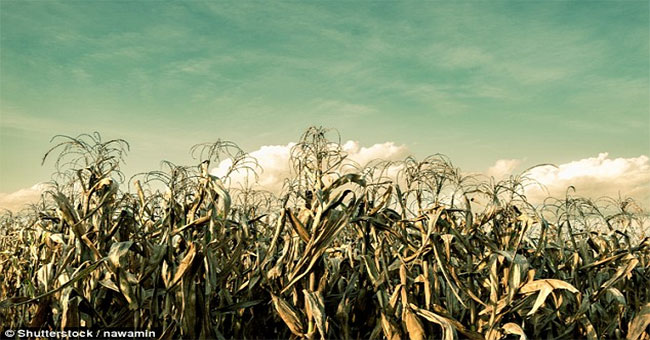
According to the Daily Mail, the current leading hypothesis is the ability to shoot sulphate particles sprayed into the atmosphere to block the sun, reducing the Earth's…
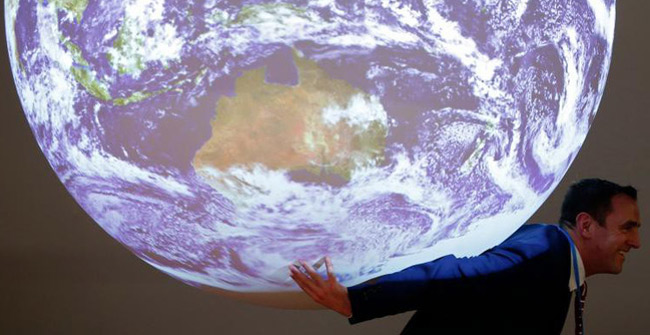
Red alarm, speed

For the past few decades, policymakers, entrepreneurs and many others have been actively taking the level of happiness to assess social progress.

In 2017, global gold production reached 3,247 tons. Below are the 10 largest gold producers in the world according to GFMS Gold Survey 2018.
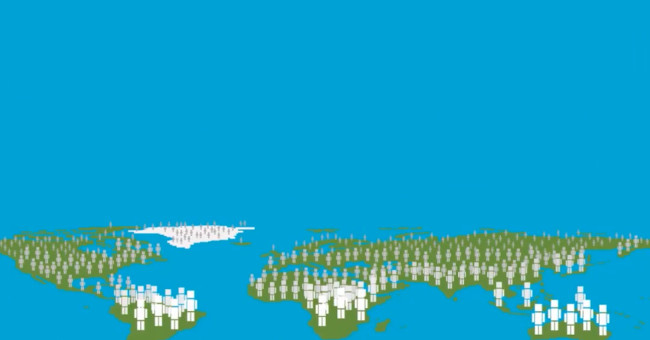
As the world population increases, people will face many problems with food, water and quality of life.
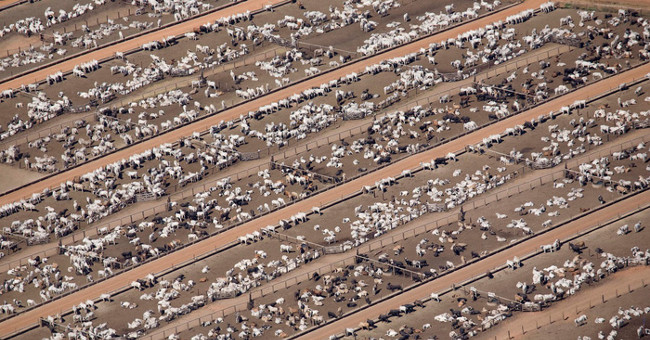
The study conducted the first global census of millions of lives on the planet. Accordingly, if we weigh the Earth (biomass), more than seven billion people are still no…