Space science
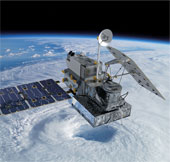
Prepare to launch a global rainfall measuring satellite GPM
GPM will use the same exploration method as its predecessor, built on previous technology.
Browse ScienceInfo articles and explainers related to Global.
1,174 published items.
GPM will use the same exploration method as its predecessor, built on previous technology.
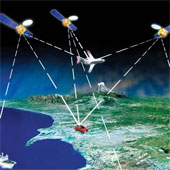
China said it would raise the satellite number of the North Pole positioning system to 30 by 2020 in an effort to improve accuracy to better compete against the US GPS n…
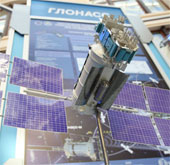
A satellite belonging to the Glonass global positioning system of Russia has been decommissioned due to equipment malfunction.
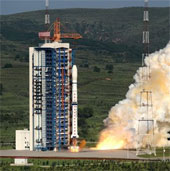
China successfully launched the meteorological satellite
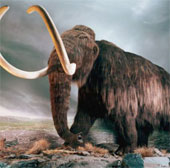
US experts have linked a collision event with the celestial celestial body in Canada about 12,900 years ago with global climate change, wiping out large mammals on the E…
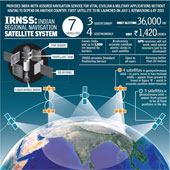
According to AFP, the Indian Space Research Organization (ISRO) said the first of the seven satellites of the Indian Regional Satellite System (IRNSS) will be put into o…
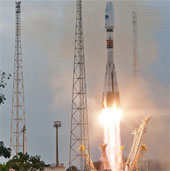
On June 25, the first four satellites in a cluster of 12 satellites are expected to set up an internet signaling system for people in remote areas in nearly 180 countrie…
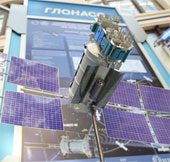
Russia is planning to launch four more satellites in its Glonass global positioning system in the last months of this year, RIA Novosti reports from Russia's Aerospace A…
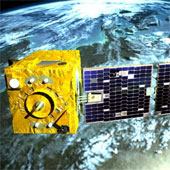
On May 14, the Management Board of the Small Satellite Project (Vietnam Academy of Science and Technology) said that VNREDSat-1 satellite has been operating stably in or…
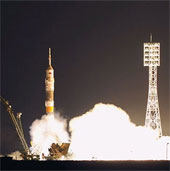
Russia successfully launched a satellite belonging to the Glonass Global Positioning System from the northern Plesetsk Cosmodrome in the north on April 26, RIA Novosti s…
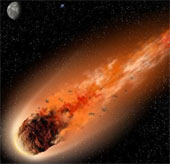
A collision with an ancient asteroid may have triggered a global fire storm, burning each tree and grass on the surface of our planet.
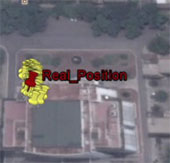
Hanoi University of Technology has just succeeded in locating through the open service of Galileo global positioning satellite system being used by Europe.
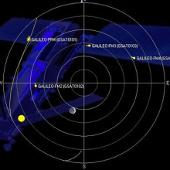
Galileo global positioning satellite system is expected to be completed by 2020, with 27 orbit satellites.
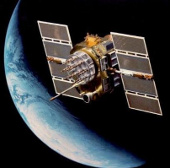
China's navigation system began providing global positioning services in the Asia-Pacific region from yesterday.
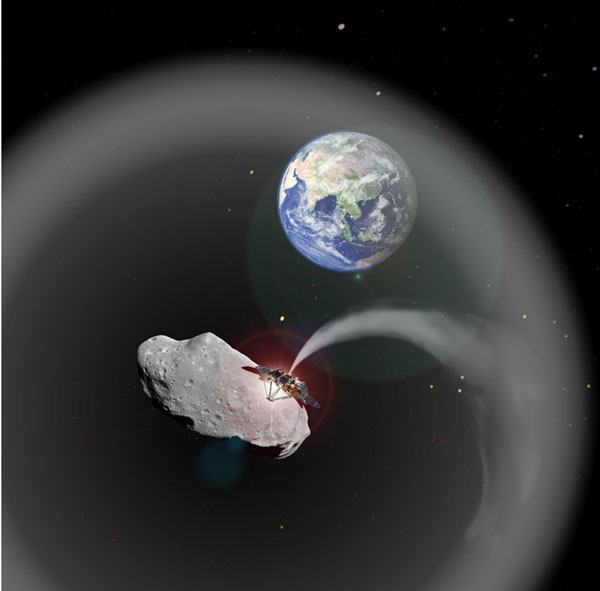
To cope with global warming, scientists in Scotland have come up with a new solution: a machine blowing huge dust in space into an asteroid that surrounds the Earth, act…