Biology
Heat is killing Earth's important pollinators
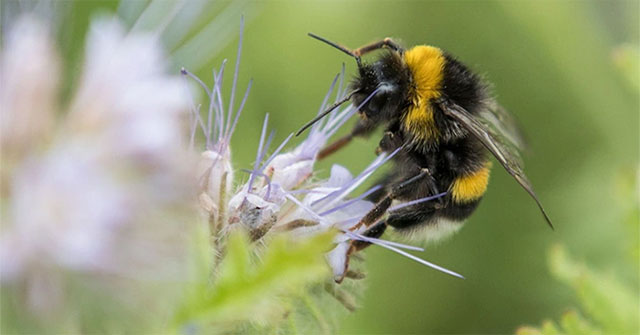
Bumblebees, one of the most important pollinators on Earth, are declining globally due to heat.
Browse ScienceInfo articles and explainers related to Go.
6,750 published items.
Bumblebees, one of the most important pollinators on Earth, are declining globally due to heat.
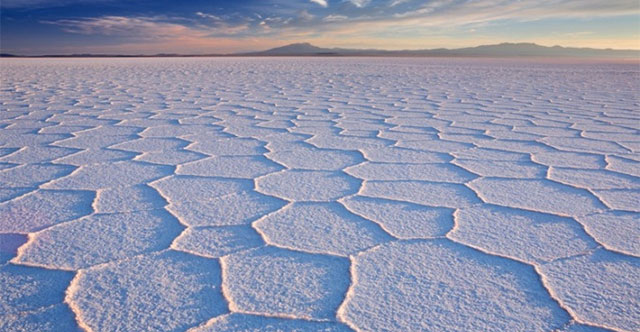
The Salar de Uyuni salt flats in southwestern Bolivia consist of extremely large honeycomb cells, resulting from the slow churning of salt water in the soil.

Carlo Acutis's second posthumous miracle qualified this kind-hearted computer prodigy for sainthood.
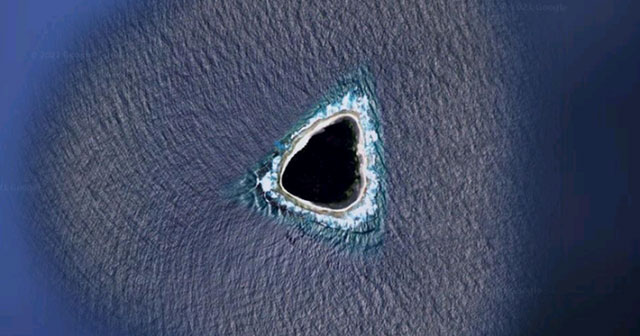
Thanks to Google Earth, we can find countless strange things on Earth that no one thought existed for a long time.

The 40m tall fairy chimneys in Cappadocia are the result of volcanic activity and weathering over millions of years, providing a unique habitat for humans.
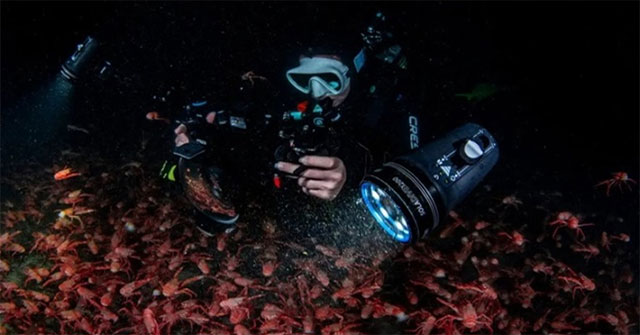
Divers and marine biologists encountered tuna crabs piling up on the seabed near San Diego due to being swept close to shore by ocean currents.
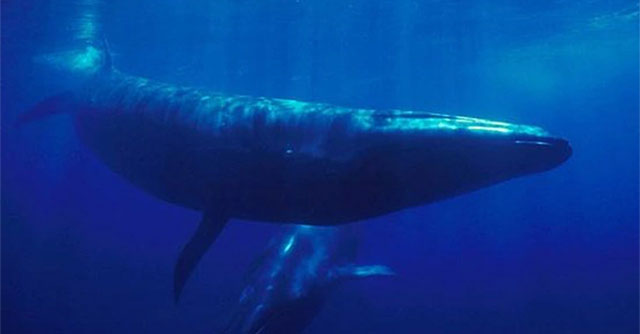
After a century of absence due to hunting, giant gray-blue Sei whales are returning to Argentina's Patagonian waters.

The silver fish with dark black spots on its body, red paddle-shaped fins, and a body nearly 4.5 meters long drifted ashore on the city's shore. Hue, then buried by loca…

Mantis shrimps are famous for possessing club-like claws that can deliver fatal blows to everything from hard-shelled prey to the thick glass of an aquarium.
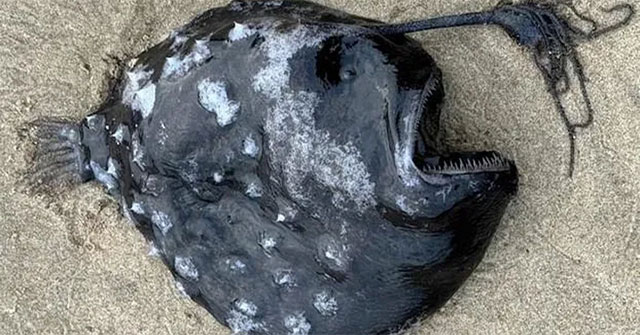
For the first time in history, a fish living thousands of meters below the sea floor washed ashore at Cannon Beach, Oregon (USA) last weekend.
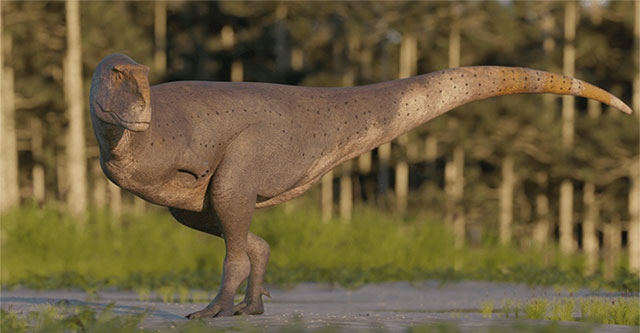
According to Conicet, the 'Koleken inakayali' dinosaur is closely related to Carnotaurus, one of the most characteristic 'killers' of the Upper Cretaceous period (about…

Paraceratherium, also known as Indricotherium, is the largest known land mammal.
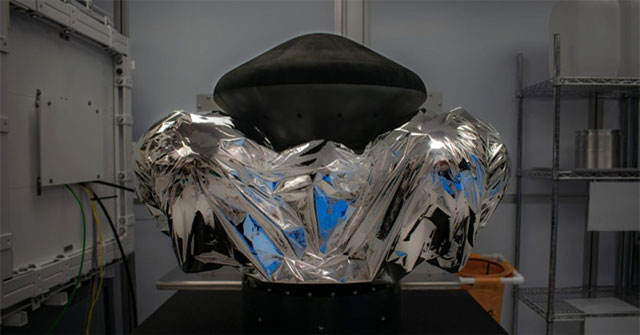
The spacecraft of American startup Inversion Space will act as a warehouse, transporting goods anywhere in just one hour.
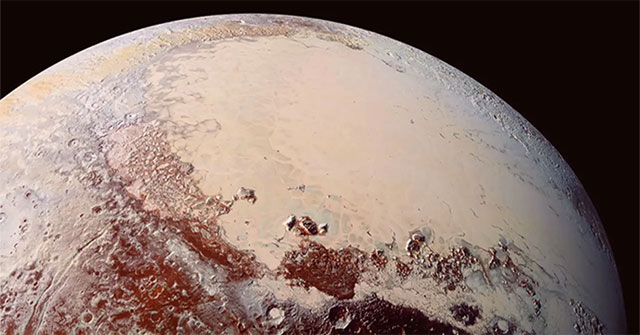
Signs of an alien sea 8% more salty than Earth's sea have just been identified by American scientists.
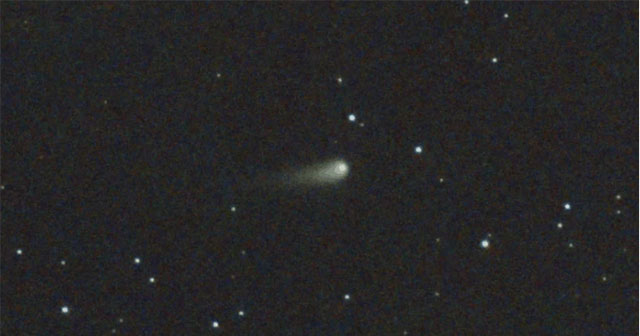
The Tsuchinshan–ATLAS object has been confusing astronomers as it approaches Earth.