
Cancer
Active substance destroys cancer cells within an hour
Oleocanthal A in olive oil is believed to reduce growth, kill cancer cells, prevent 60% of tumor formation.
Browse ScienceInfo articles and explainers related to Growth.
406 published items.
Oleocanthal A in olive oil is believed to reduce growth, kill cancer cells, prevent 60% of tumor formation.

Characteristic of cholangiocarcinoma, gallbladder cancer is abnormal growth and excessive proliferation of cancer cells.
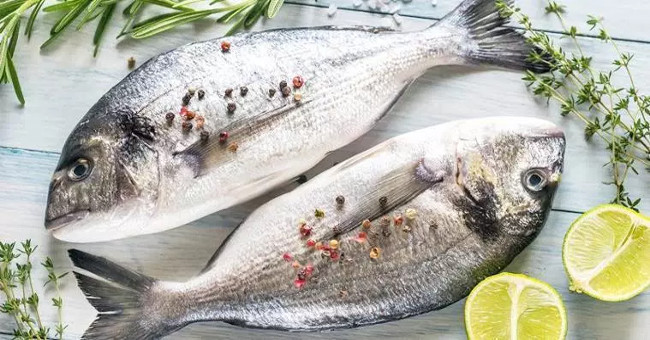
Omega-3s from seafood are eight times more effective in inhibiting growth and tumor growth than omega-3 from plant sources.

A new study has shown that limonoids - a natural compound in lemon helps slow cancer growth and even kill these harmful cells.

The growth rate of cancer patients in Vietnam is among the fastest in the world with after 15 years new cases increase more than 2 times.
Scientists have just announced a new compound that inhibits the growth of many cancer cell samples in Nature magazine on October 19, according to Science Alert.

According to a new study, eating watercress everyday can help you fight cancer.

Researchers have found a drug for osteoporosis that can prevent the growth of breast cancer cells.

Some researchers have recently discovered that artificial sweeteners, or chemical sugars, can inhibit the growth of cancer cells and advise cancer patients to regularly…

Breast cancer cells release a protective protein, capable of inhibiting tumor growth, according to a new study.
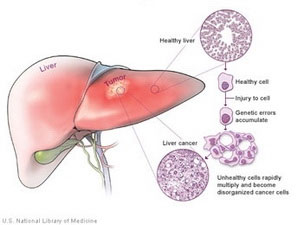
THX on April 13 reported Austrian scientists at the Cancer Research Institute Ludwig Boltzmann found that producing too much growth hormone can cause liver cancer. Liver…

Scientists have discovered a protein, produced inside cells, that suppresses the growth of prostate cancer cells, promising new treatments for the disease.

A new study has discovered Apigenin, a compound in parsley and other plant products such as fruits and nuts, that can prevent the growth and development of breast cancer…

Straightening strong radiation beams into tumors can help control the growth of these tumors.
The increase in cervical cancer and uterus can be caused by a hormone-like molecule in semen, according to the Medical Research Council (MRC).