
Space science
The rarest astronomical phenomena in the world
The galaxy has always been an extremely mysterious and fascinating concept, in which extremely rare events, sometimes every few decades, appear.
Browse ScienceInfo articles and explainers related to Halley.
30 published items.
The galaxy has always been an extremely mysterious and fascinating concept, in which extremely rare events, sometimes every few decades, appear.
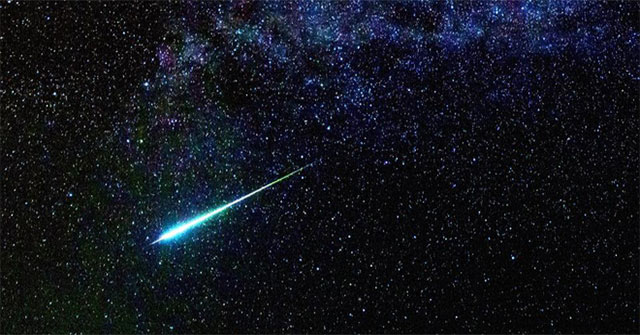
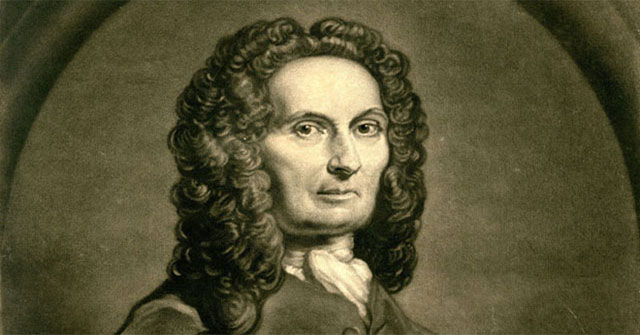
Named after British astrophysicist Edmund Halley, the Halley Comet is one of the most famous comets in the history of astronomy.

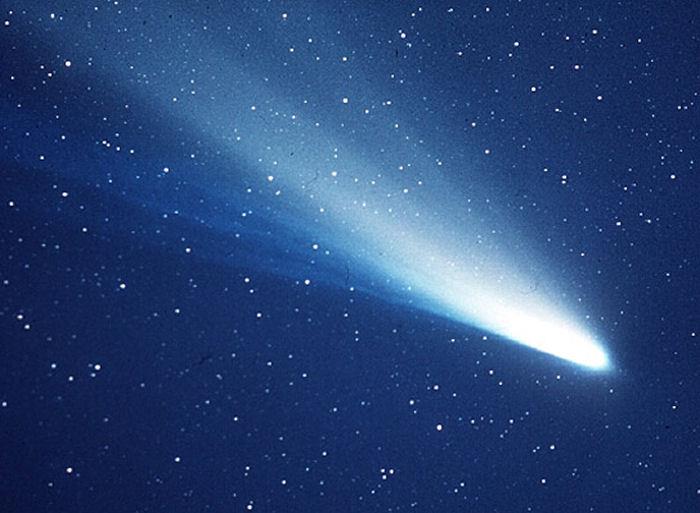
In 1986 when the famous Halley comet came back, its tail was especially noticeable.

Mercury moves through the Sun on Monday (November 11), also known as 'Mercury in transit'. This is a relatively rare astronomical event, and will not happen until 2032.

Scientists believe that seaweed culture, then releasing mature trees to the ocean floor, could be an effective way to combat global warming.
Although it is hard to believe, these people have their own reasons for predicting their own deaths.
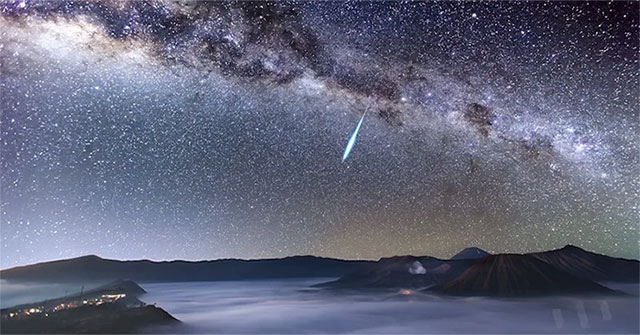
The pieces of Halley's comet are plunging into the atmosphere of the earth and promise to create a beautiful meteor shower on Monday night (May 6), if the weather is goo…

Thousands of young penguins drowned when the typhoon caused a massive collapse of the Antarctic ice sheet, leading to the disappearance of the world's second largest pen…

Comets are considered an omen of misfortune, due to its appearance coinciding with disasters and epidemics.

Our lives are always full of surprises that are hard to explain. Many people think it is an omen, others just assume it is accidental.

Some incredible and unbelievable events have happened in history, making scientists unable to decipher them.
In 1682, when Halley comet visited the Earth periodically, there was a hen laying a strange egg in Australia, on the eggshell full of stars. In 1758, in a village in Eng…
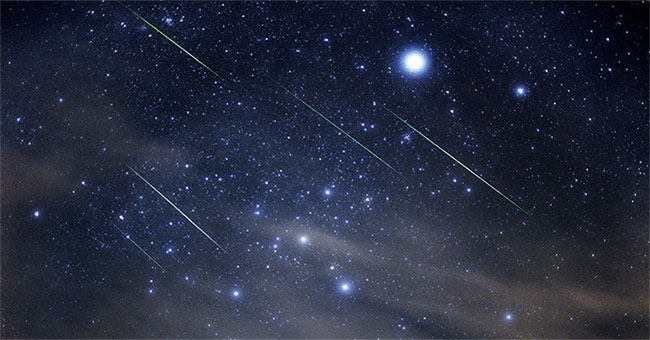
Thien Long meteor shower (Draconid) will take place from Saturday 6 October and maximum on Monday night, October 8.
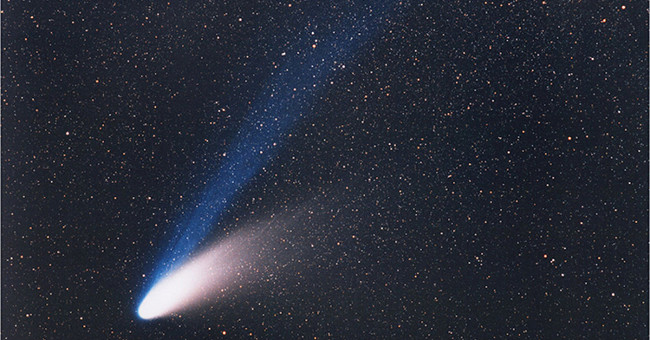
Comet is an astronomical object that flies in space, it is almost an asteroid, but is not composed of rocks but mostly from ice.

In the morning of May 6, you will witness the Eta Aquarid meteor shower. This is an average meteor shower, with about 20 to 40 meteors per hour.