New technology
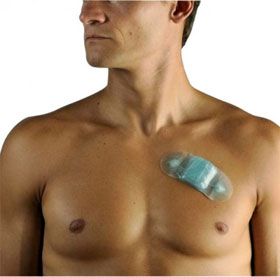
Detection of arrhythmias by tiny devices
To monitor cardiac arrhythmias, a monitor and electrodes should be attached to the person through the conductor and should not be attached more than 24 hours.
Browse ScienceInfo articles and explainers related to Heart Rate.
40 published items.
To monitor cardiac arrhythmias, a monitor and electrodes should be attached to the person through the conductor and should not be attached more than 24 hours.

A number of scientists from the US Department of Defense's Advanced Research Projects Administration (DARPA) have proposed the idea of creating a special type of tat…
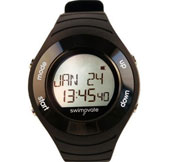
PoolmateHR is the world's first swimming meter to track laps, distance and heart rate measurements, giving stroke warning.

Japanese police are investigating the use of a heart rate monitor to identify potential early offenders of sexual assault and sexual assault.

By simply touching the screen, users can activate individual electronic devices when they confirm their heart rate. Smart phones, tablets, game consoles and other device…

In the future, US soldiers will be able to use trousers, bras with body heat, heart rate, blood pressure and many other indicators of the body.
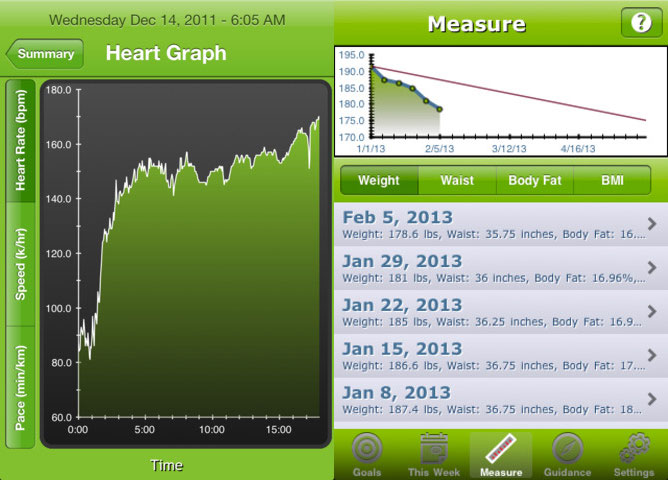
US-based Body-Pro says that the new application of this CardioMapper service announced this week is the first application compatible with the iPhone 4S Bluetooth 4.0 app…

Spanish scientists have launched a T-shirt that can monitor heart rate and human temperature. This shirt will be on sale in the next six months.
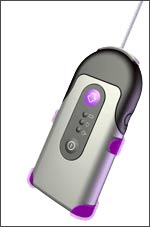
British scientists at the University of Nottingham have successfully researched and developed a fetal heart rate monitor with a cell phone and weight of 100g.

Numetrex has introduced a sports bra that reads heartbeat and sends signals to a wrist-mounted computer or wears around the waist of a wearer. Numetrex said that this br…