Biology
The tree conquers harsh cold on the Himalayan peak
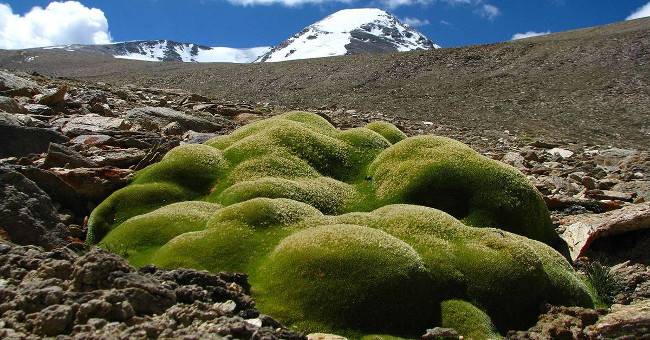
A team of researchers discovered six species of cushions at a height of 6,150 m in the Himalayas with many features to combat cold weather.
Browse ScienceInfo articles and explainers related to Himalayas.
39 published items.
A team of researchers discovered six species of cushions at a height of 6,150 m in the Himalayas with many features to combat cold weather.

Tardigrade, an ancient creature present on Earth more than 500 million years ago, can survive and breed in harsh cosmic environments, despite the fact that space beams o…
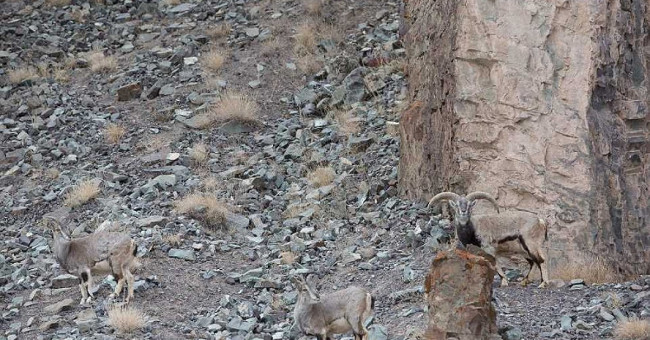
The lone male leopard is difficult to recognize because it hides behind the flock of sheep, patiently waiting for the most appropriate moment to grab the prey.
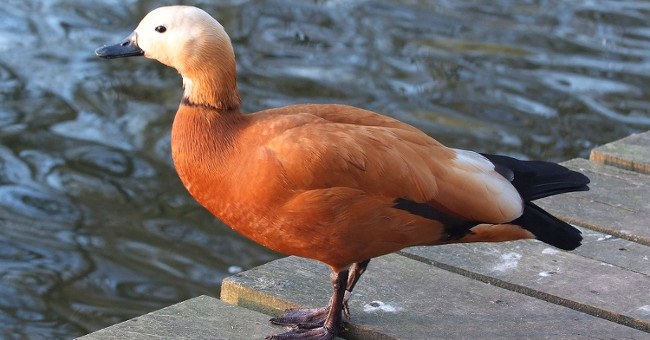
Scientists at the University of Exeter, England, discovered a species of the Duck family that could fly across the Himalayas to reproduce, Phys reported on Sept. 5.
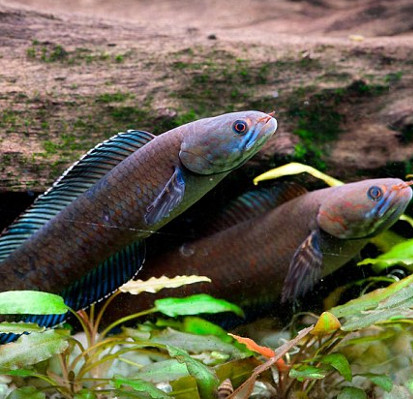
Scientists discovered more than 200 new plant and animal species in the eastern Himalayas, including a walking fish by snaking like a snake and living for 4 days on land.
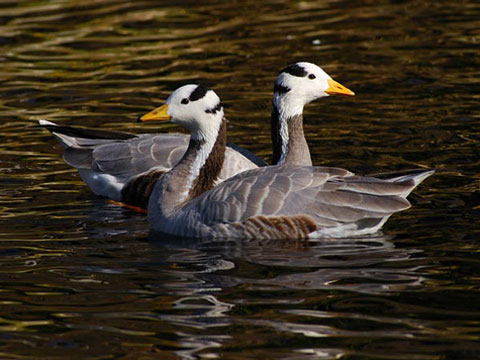
The latest study by biologists at Bangor University in the United Kingdom confirms the world's highest flying bird species is Asian-headed goose (bar-headed goose).
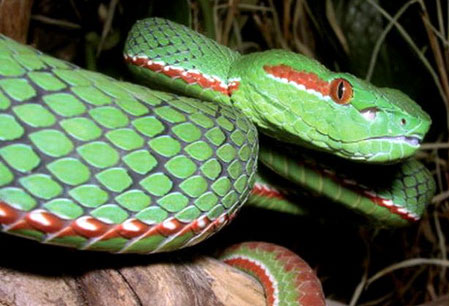
Scientists say more than 350 new plant and animal species have been discovered in the eastern Himalayan mountains, but now they are seriously threatened by the effects o…
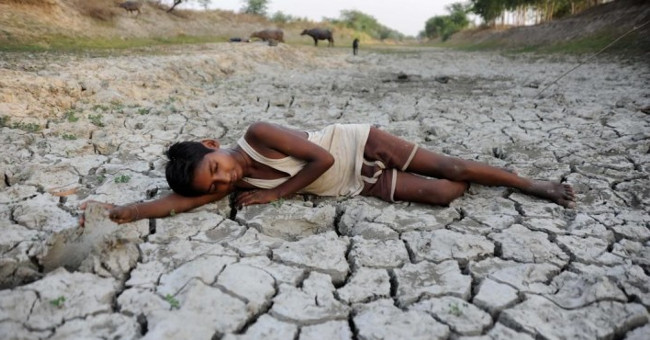
The project of installing water pipes to bring river water to the drought area could help the Indian government deal with the drought caused by record heat.
The intergovernmental committee on combating climate change (IPCC), has released a more cautious new forecast regarding the possibility of melting ice in the Himalayas.
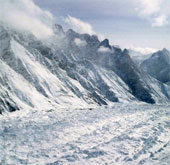
Glacier researchers have analyzed the data on this mountain range and concluded that 'the roof of the world' lost 13%, or about 443 billion tons of ice in the past 40 ye…
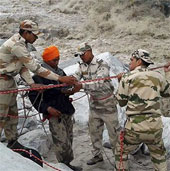
At least 5,000 people may have been killed by flash floods and landslides in northern India over the past week, an official admitted.
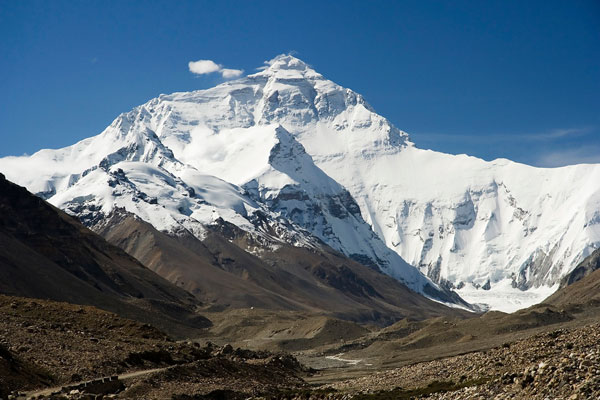
Earth began the process of regenerating surface crust about 3 billion years ago, launching terrible clashes between tectonic plates like today. A new shell is continuall…
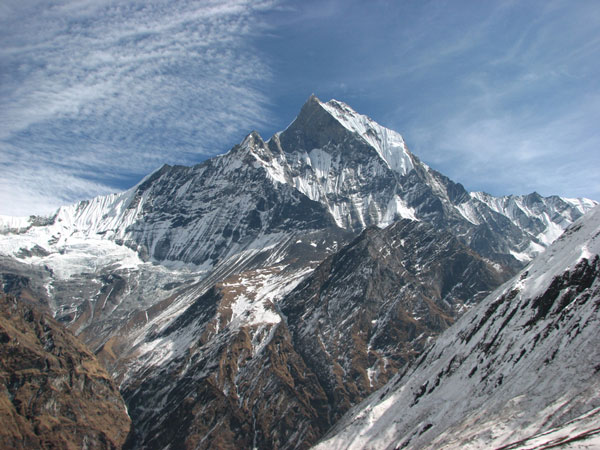
According to a new hypothesis, the speed of collisions between tectonic plates on the earth is slowing, creating a great repulsive force affecting the altitudes of the H…

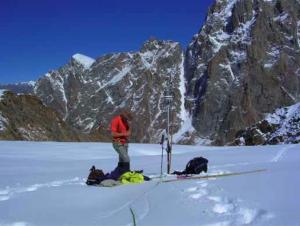
The Himalayas, the roof of the world, home to seven of Asia's largest rivers, are now suffering from the effects of global warming like many other mountain ranges. To as…