Environment
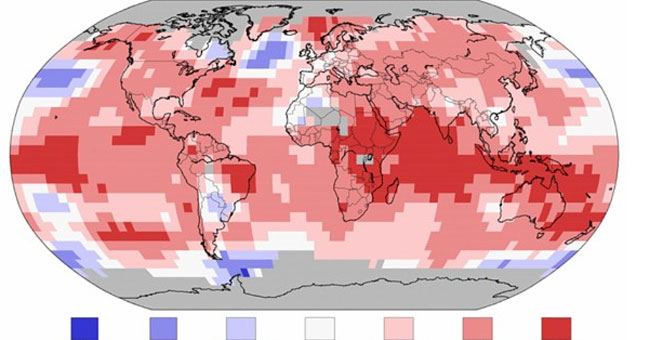
2016 may be the hottest year in history
Many meteorological agencies around the world warn that 2016 will continue to break the record and become the hottest year in history.
Browse ScienceInfo articles and explainers related to History.
1,661 published items.
Many meteorological agencies around the world warn that 2016 will continue to break the record and become the hottest year in history.
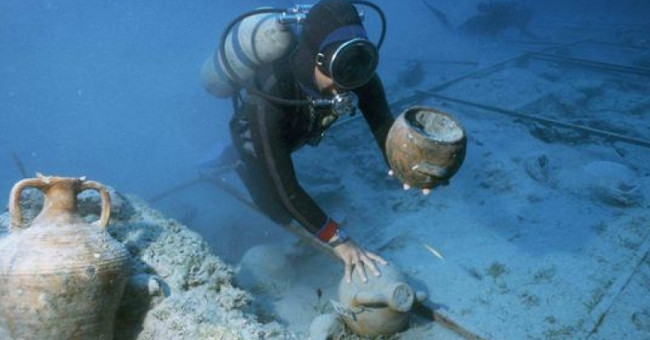
Scientists are conducting research on undersea wrecks for more information about major storms in history.
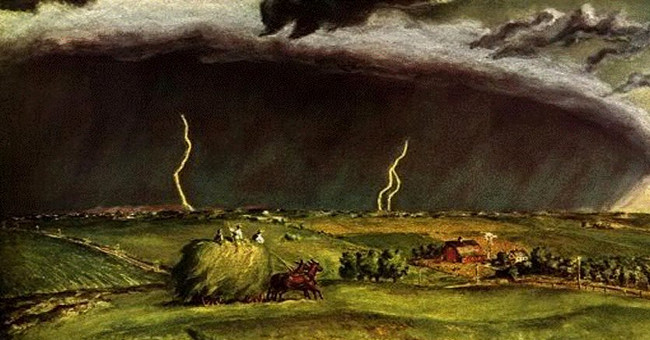
An extremely powerful and dangerous storm with hail or lightning can destroy in large areas ...
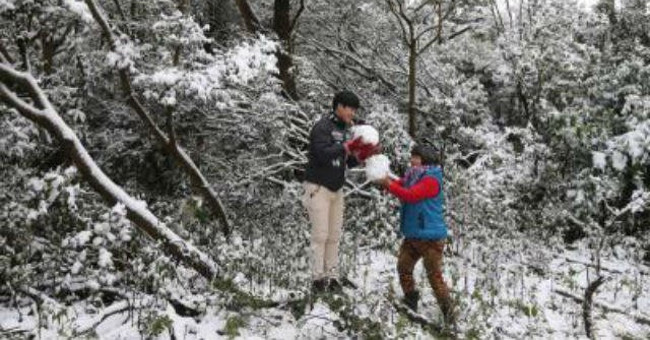
At least 52 people have died in the cold, considered the most horrible in the history of the island.

Many battles in history gave unexpected results by the intervention of the weather.
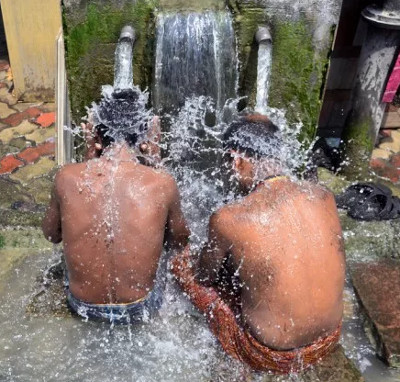
Ocean surface temperature has increased to 1 degree C in the past 1 year, a record increase in the history of WMO research.

There have been countries that have been saved by the weather, but there have also been cities destroyed because of this factor. Nagasaki (Japan) is an example: If

Experts of the Vietnam Institute of Geophysics voiced the information about the most terrible earthquake and tsunami in history about to enter the US and Asia.
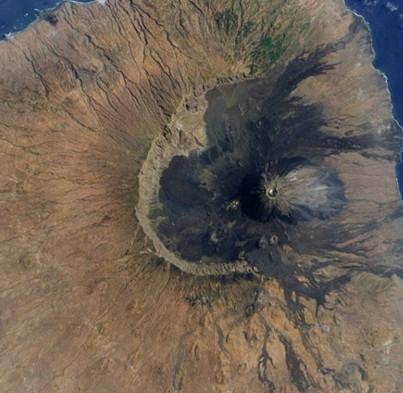
Scientists working in West Africa and the Cape Verde Islands have discovered evidence of the biggest super tsunami in human history.
In the history of the world, many people have seen strange objects falling from the sky. Many times these
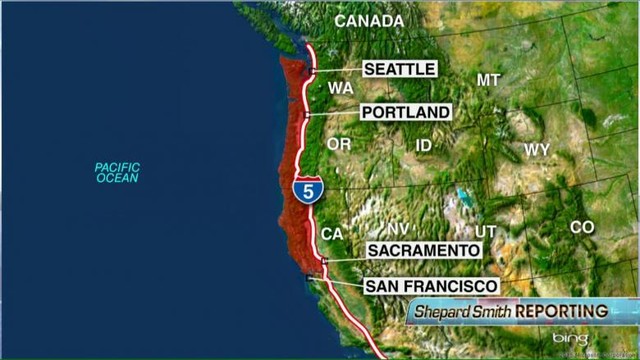
The latest report by geologists predicts that the largest earthquake disaster in history may be imminent in the Pacific Northwest.
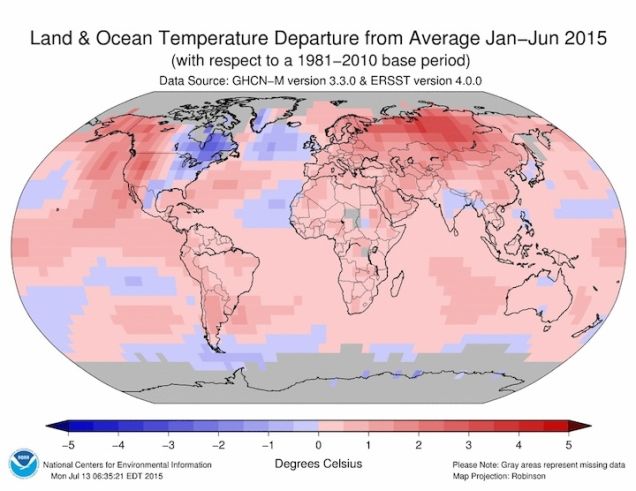
NASA once recorded 2014 as the year with the highest average temperature in human history. However, that will no longer be true at the present time.
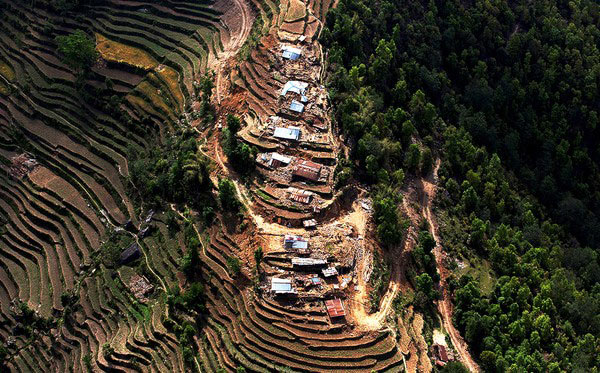
The worst earthquake in Nepal's history since 1934 has caused the Earth to deviate greatly.
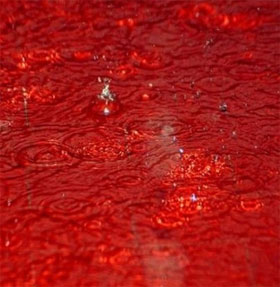
Rain 'blood', snow falling between the desert or fire cannons ... are extreme weather conditions that once threatened human life.
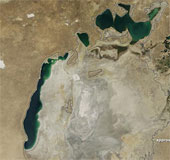
According to NASA, 'for the first time in modern history, the eastern basin of the Aral Sea has completely evaporated'.