Environment
Can not quickly overcome the hole of Ozone layer
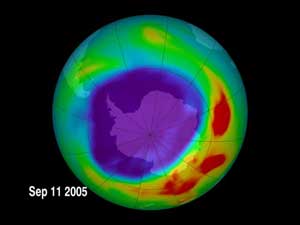
The earth's ozone layer is against 90% of the sun's ultraviolet radiation, making it possible for us to survive and live on the earth's surface. Scientists have recently…
Browse ScienceInfo articles and explainers related to Hole.
1,071 published items.
The earth's ozone layer is against 90% of the sun's ultraviolet radiation, making it possible for us to survive and live on the earth's surface. Scientists have recently…
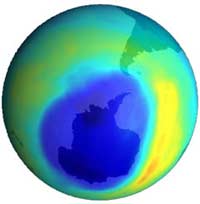
Ozone holes in Antarctica are beginning to shrink in the future and may disappear by 2050 due to chlorofluorocarbons (CFC) emissions reductions and other gases that weak…
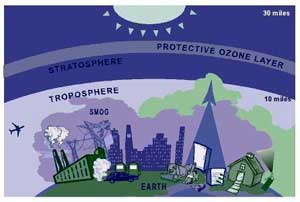
When studying the 11-year abnormal activity of the sun, scientists from the German Institute of Atmospheric Physics found that these activities not only slowed the recov…
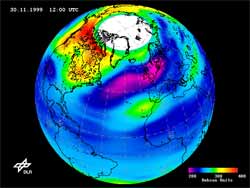
The ozone hole in Antarctica is now the third largest hole recorded, but the weather forecasters are still not sure how it will be in the future, according to the World…
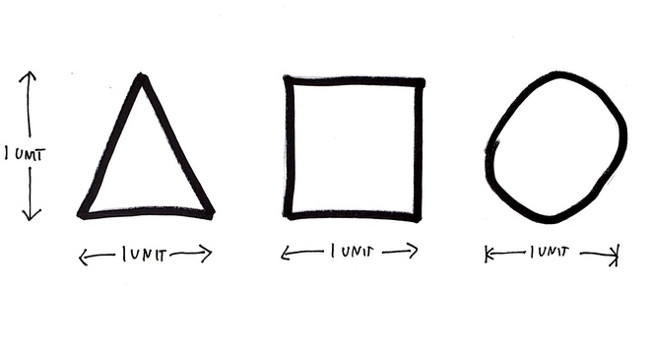
The imaginative puzzles of space geometry do not seem to be strong for many people, including architects.

In the rooms of male law students, 12 students in the rehearsal court together, they set up a

Supernova remnants of the Crab Nebula, Sunlight, collision of 2 black holes, Sun-filled Saturn are the best images of the record recorded in 2017.
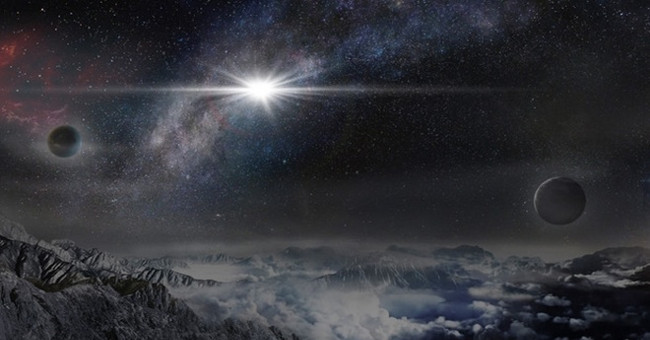
The vast universe contains many mysteries that scientists cannot yet discover.
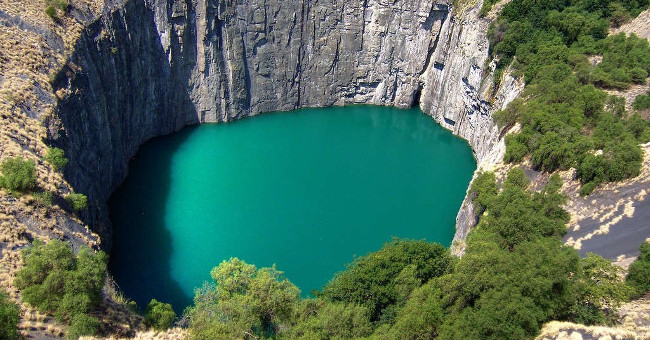
Most of the giant pits on Earth are made by human mining activities like Darvaza gas fires that burn for 45 years or the world's largest Kimberley diamond mine in South…
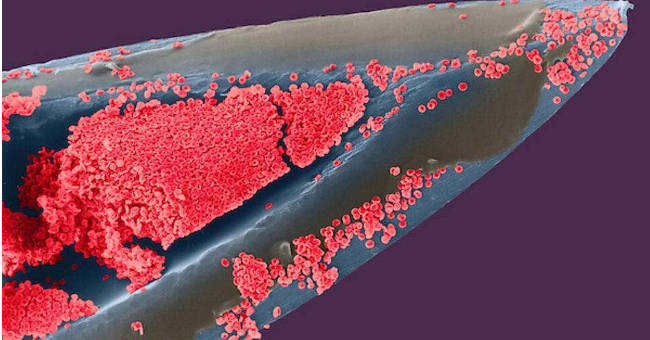
Needle, thread, sugar, salt, pepper, rust, flies, mosquitoes ... very familiar but under the magnifying microscope is extremely bizarre.
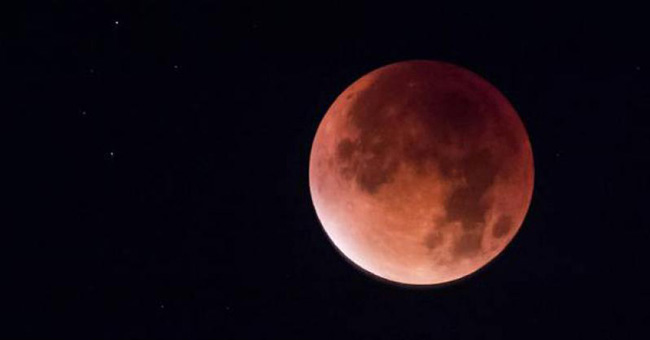
Unique moments of the fanciful universe under the lens of amateur photographers or Hubble space telescope.

Dozens of giant pits appeared in the US and other countries in the past few years.
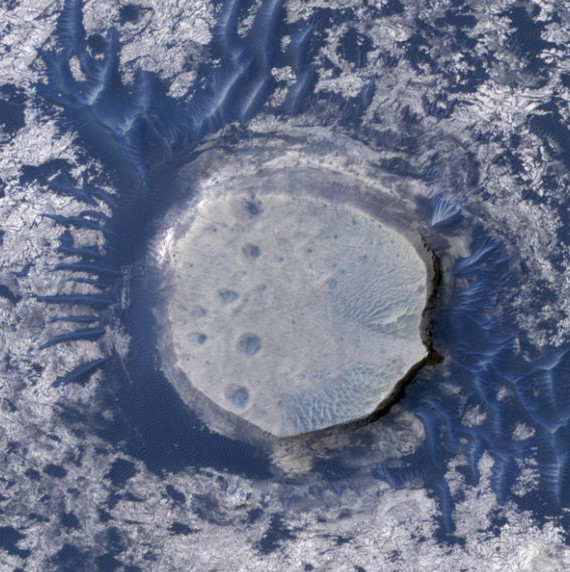
In addition to Curiosity and Opportunity robots, the US Aerospace Agency (NASA) has one
Whether born under the impact of nature or man-made, death-dwellings covering large areas around the world remain a potential danger to humans.
Photo of British photographer Terry Steeley capturing a natural dug-in-the-hole diver Bill's Hole has won the first prize in the competition.