
Biology
Which insect is the smartest?
Many experiments have been conducted to test the capabilities of insect brains and the results have been surprising.
Browse ScienceInfo articles and explainers related to Honey Bees.
47 published items.
Many experiments have been conducted to test the capabilities of insect brains and the results have been surprising.

A study published in the journal 'Conservation Science and Practice' found that keeping honeybees on fences around small farms in Kenya helped deter crop-destroying elep…
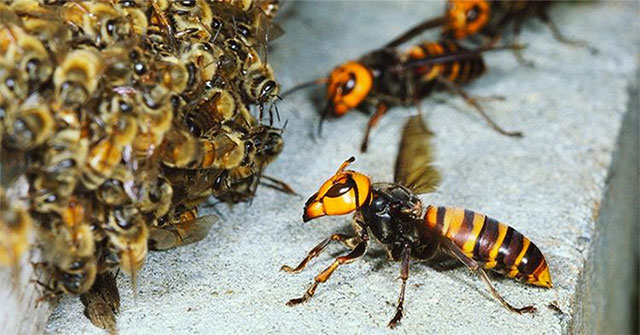
Hornets are bees originating from Asia, possessing amazing strength and aggression.
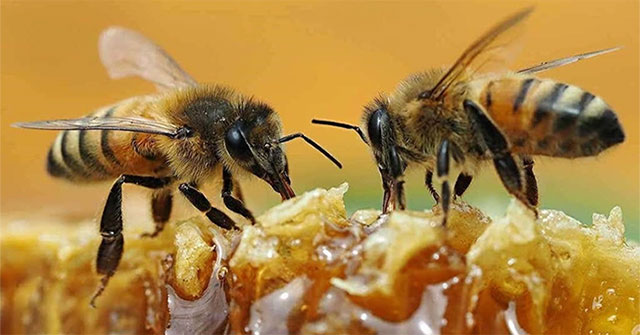
A published study shows that honey bees can learn to calculate even and odd numbers just like humans.
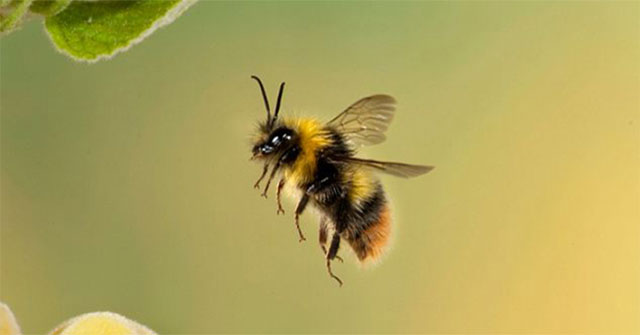
Experts fly honey bees through tunnels fitted with mirrors in the ceiling and floor, and then observe how they fly when the mirror is hidden or exposed.

A beekeeper is called in to rescue a nest of honey bees that live in a residential wall in Lancashire.
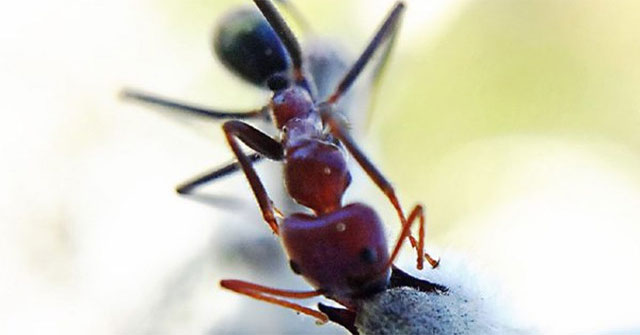
Researchers have discovered that the flowering Conospermum plants in southwestern Australia have grown to allow ants to pollinate them as effectively as native bees.
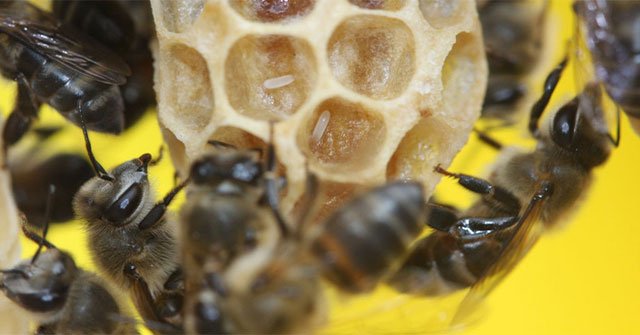
The ability to produce only females gives all South African worker bees the chance to genetically 'regenerate' into a new queen.

The scientists found that the honey bee Apis mellifera exposed to electromagnetic fields similar to the electromagnetic fields near the ground surface around power lines…

What a natural wonder!
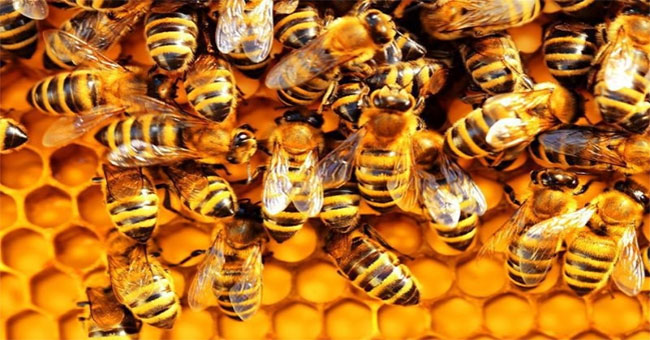
The first vaccine in the world for honey bees prepared by Finnish scientists will be mixed into the queen bee's feed and transmit disease resistance to all future bee ge…

The idea that pollinating pollinators could threaten human food supplies - creating a situation called 'pollination crisis' - could be considered a myth.
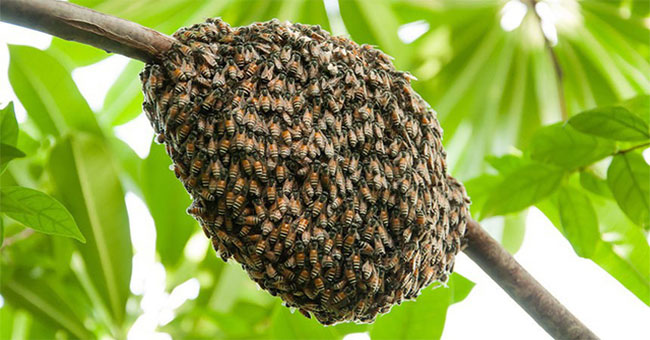
A strong wind cannot drop a cluster of honey bees, and now scientists are beginning to understand the reason.

Every day, bees have to make many trips with long distances to gather important resources from chalk and nectar.
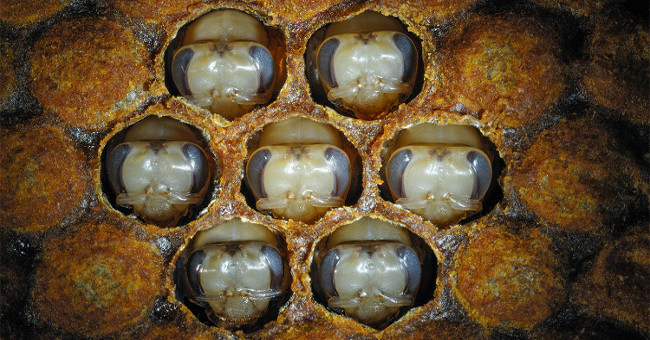
In a recent article in PLOS Genetics, scientists found that molecules in the food mixture of honey bee larvae affect their physiological changes.