Animal world
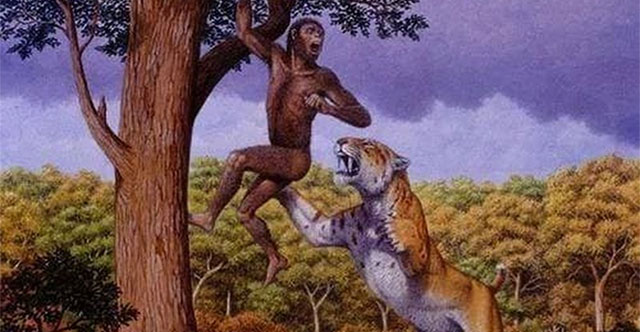
Besides humans, what animal has basically no natural enemies?
Life on Earth has a history of development and evolution of 3.8 billion years. On Earth, there are millions of species, without exception, all species are in large food…
Browse ScienceInfo articles and explainers related to Human Evolution.
37 published items.
Life on Earth has a history of development and evolution of 3.8 billion years. On Earth, there are millions of species, without exception, all species are in large food…
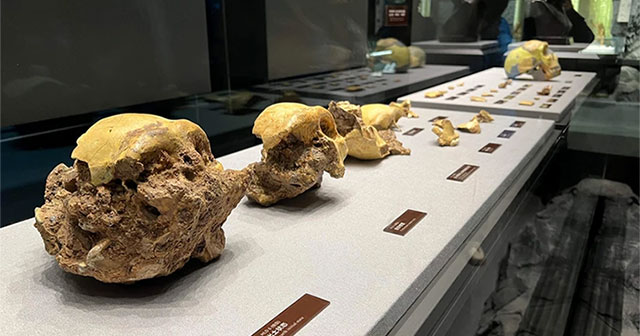
Several 300,000-year-old human fossils discovered in Hualong Cave in Anhui Province, China, have been identified as the earliest hominin species in East Asia to evolve i…
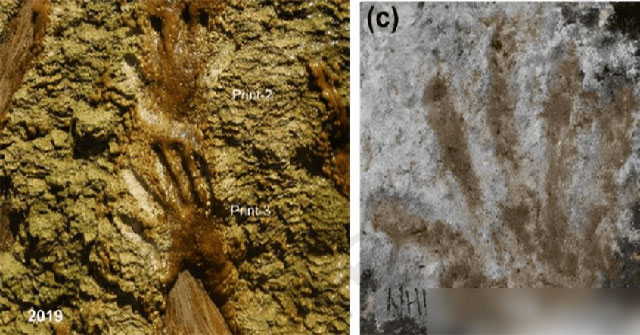
Handprints and footprints discovered on the Qinghai-Tibet Plateau date from 169,000 to 226,000 years ago.
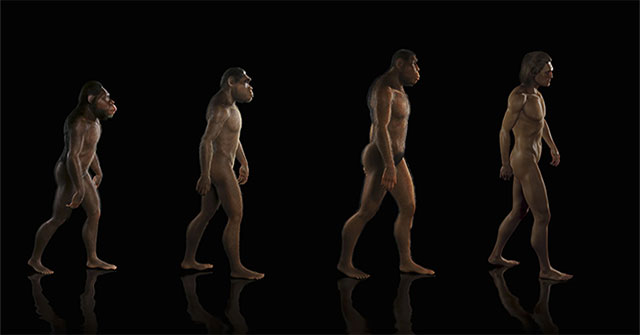
New discoveries in the field of genetics are raising explosive questions about human origins and evolution.

Climate change is an inevitable fact in the history of the formation and development of the Earth, whereby species that want to survive must change to adapt to this chan…

When we were in school, learning about evolution felt old and slow. But evolution is still happening and it is happening to us.

An elaborate tomb built 10,000 years ago, inside with the remains of a newborn baby girl and a strange number of treasures is considered a major breakthrough for archeol…

Amphibian tadpoles must regularly eat their 'brothers' to increase their ability to thrive. Gulls and pelicans are two of many birds that use their young to feed or prev…
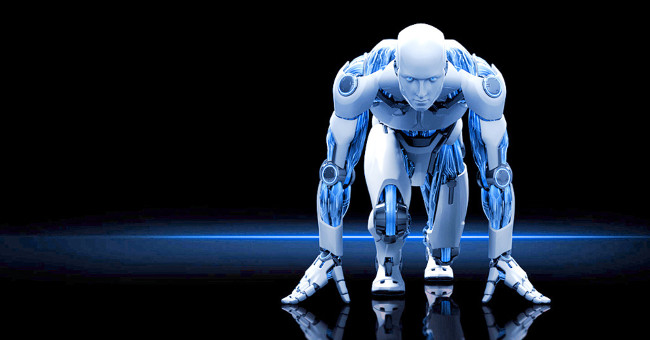
Eternal life is always the desire of mankind, what seems to appear only in this legend may become a reality only in the near future.
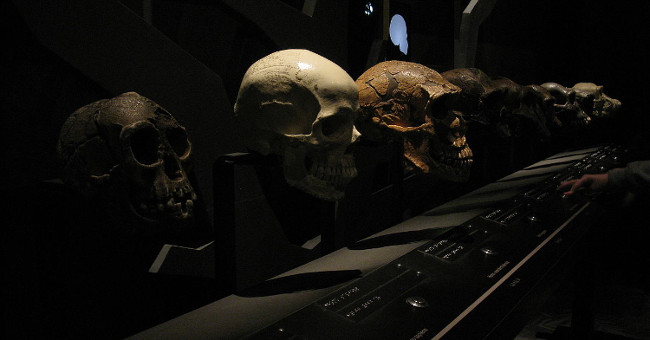
Neanderthals - close relatives of modern humans have thick noses, long skulls, large bone structures, possibly red hair and freckled skin.

In 100 more, more scientific possibilities will make people's appearance change.

Given the role of technology in today's life, it is not so much to say that technological development will be part of human evolution.

The video briefly describes the process of changing the face of the person who will ensure that you will be surprised.

Mankind is heading to a world without illness, with a perfect health and life for any individual on the planet.

With a rich imagination, scientists have come up with some bizarre hypotheses about how humans will evolve in the future.