Health
Dutch doctors discover new organ in human body
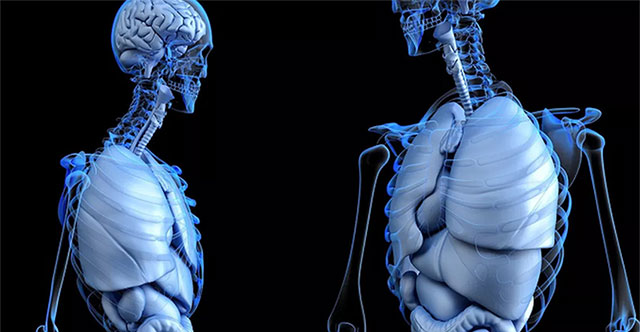
Dutch specialists have discovered a new organ in the human body that should be taken into account when using radiotherapy to treat cancer.
Browse ScienceInfo articles and explainers related to Human Body.
248 published items.
Dutch specialists have discovered a new organ in the human body that should be taken into account when using radiotherapy to treat cancer.
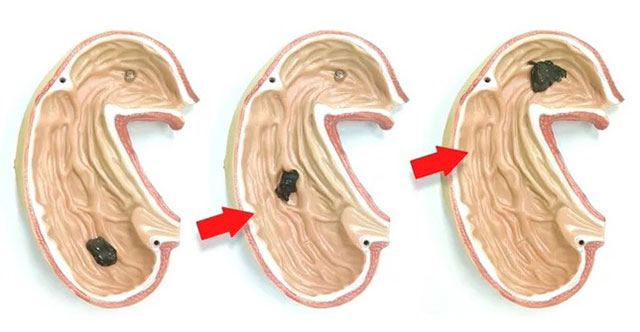
Researchers at the University of Hong Kong (China) have just created a robot that looks like slime (a children's toy). Adults may find it similar to the scary character…

At five miles above sea level, the oxygen in the air is so thin that even with supplemental oxygen tanks, climbers feel like they are

A cracked terracotta warrior in Shaanxi has revealed the truth.

On November 20, international scientists announced the first blueprint of the development of the human skeletal system, marking an important step forward in the Human Ce…

Researchers from McMaster University (Canada) have identified a protein that could bring humans closer to the dream of immortality.
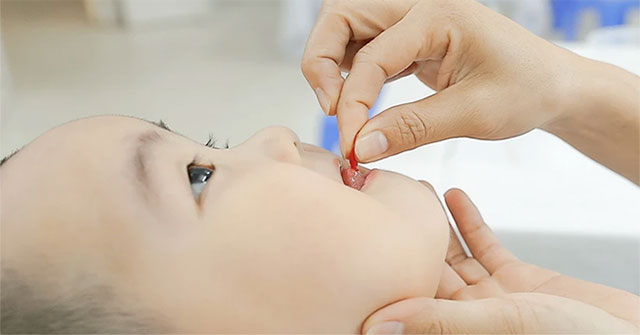
Micronutrients are substances that the body only needs in very small amounts but play a very important role. When lacking, it will lead to serious effects on the body.
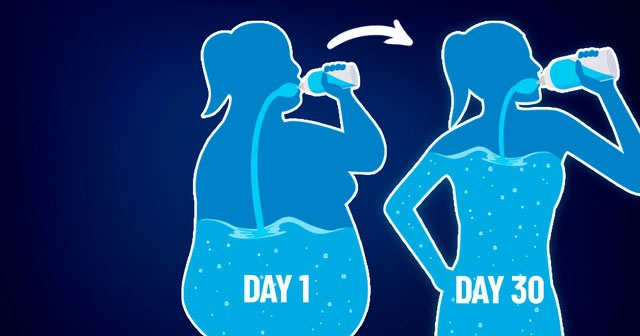
Not only will you lose weight and run out of energy quickly, your body will have many unexpected changes after 30 days of fasting and only drinking water.

More than 250,000 passengers pass through Stockholm Central Station every day, unaware that their body heat is being exploited for energy.
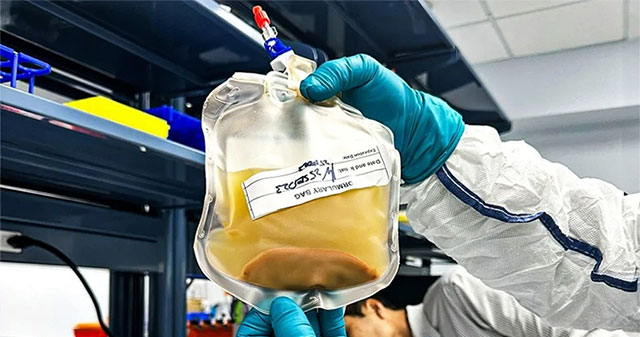
Scientists injected liver cells to turn one of the lymph nodes in the human body into a second liver.
A type of immune cell found only in humans that persists throughout an individual's development, remaining present even into adulthood.

Try to check if you have the following strange body features!
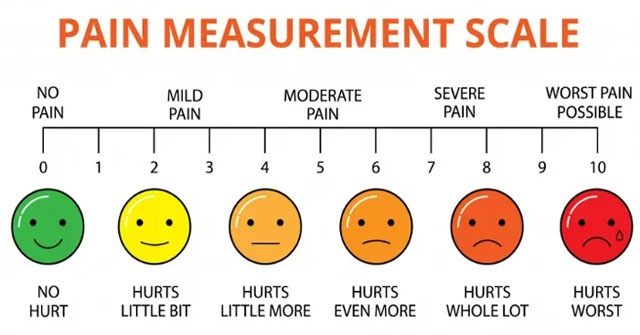
Scientific data suggest that it is likely that people with minimal states of consciousness, such as when unconscious, still experience pain if they are experiencing some…
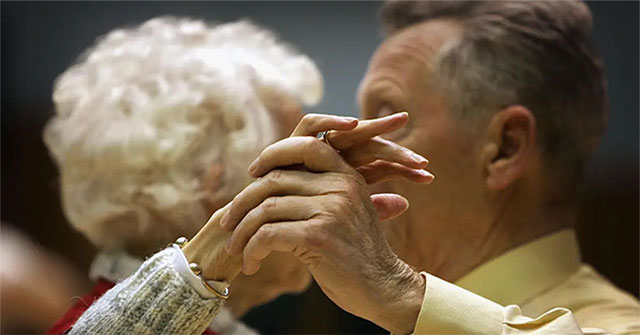
The concept of aging was described in the mid-20th century as a trade-off in cell reproduction and maintenance.