
Discover science
Electroencephal stimulation helps to look at others better
Participants were asked to assess the attractiveness of some faces, at the time before and after the brain was stimulated by the technique of DdCS.
Browse ScienceInfo articles and explainers related to Human.
6,757 published items.
Participants were asked to assess the attractiveness of some faces, at the time before and after the brain was stimulated by the technique of DdCS.

Humans are the only animal on earth to suffer from menopause. Scientists make many hypotheses to explain the phenomenon, such as hormonal changes or the body stops produ…
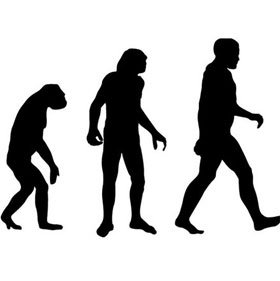
Prior to the widely accepted hypothesis that humans now originate from ancient gibbons.
Now, a new project promises to provide everything the scientific world needs to know in an effort to create artificial life forms.

The more mature people are, the better their abilities, such as listening, speaking, reading, and writing skills ... It is a common concept but inaccurate.
The latest study by a group of scientists has yielded shocking results: modern humans are not as intelligent as people living in the 19th century, even far behind intell…

Scientists have finally explained why many primates, especially humans, sometimes lie or deceive.
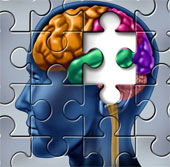
Human intelligence can no longer be explained by relying on the growth in the size of the frontal lobe.

Have you ever been alone and suddenly felt like you were being watched by someone from behind, typically when sleeping alone at night?

People who are respectful often eat comfortably in parties so their ability to gain weight is high, and people with conscience often exercise regularly and eat science s…

Today the castles in Europe are only historical relics, serving tourists and not being human residences.

When drinking beer bottles, the human nose only smells the environment but cannot smell the beer, which is the reason for drinking beer with a cup better than other ways…

Pinocchio - The wooden boy, maybe many of us have at least once heard stories, read books or watched movies about Pinocchio.

A 2007 study found a genetic gene called LRRTM1, which can increase the ability to produce a left-handed child.