
Discover science
There is a city that loves hyenas as pets
In an ancient city in eastern Ethiopia, people fed hyenas in return for helping them clean the streets and ward off demons.
Browse ScienceInfo articles and explainers related to Human.
6,757 published items.
In an ancient city in eastern Ethiopia, people fed hyenas in return for helping them clean the streets and ward off demons.

A very special land in the Middle East witnessed a particularly important turning point in the migration and evolutionary history of our species Homo sapiens.
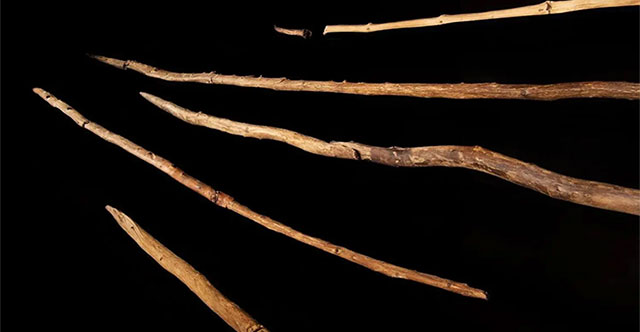
The weapons found in Germany reveal the shocking level of technology of another human species at a time when Homo sapiens was new.
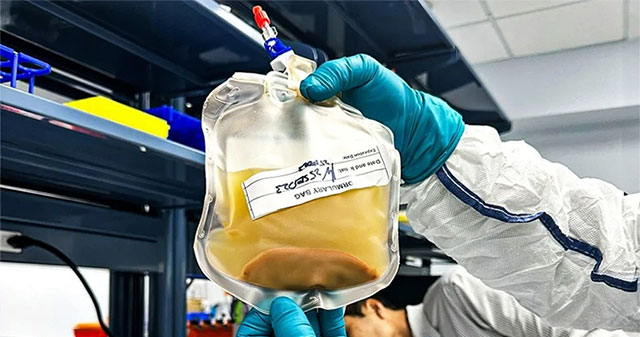
Scientists injected liver cells to turn one of the lymph nodes in the human body into a second liver.

Information becomes the new source of capital; The country, organization or individual that creates and owns more high-quality information will play a greater role in th…
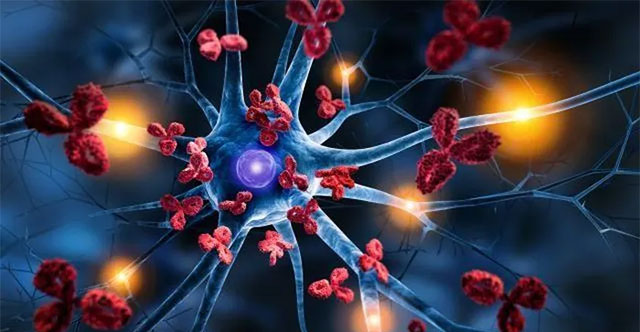
New research shows that the migration of ancient people in Eurasia may have influenced the risk of many diseases of modern Europeans...

Billionaire Elon Musk believes that artificial intelligence (AI) has a 20% chance of destroying humanity, while experts put this number at 100%.
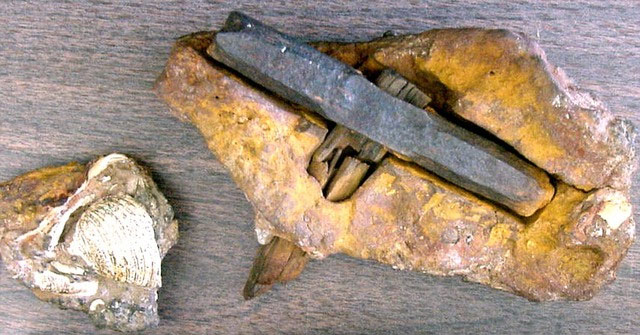
The London Hammer is a hammer believed to be 115 million years old, found in Texas, United States in 1936.

The prospects opened up by this unique machine in the world are huge, helping scientists to establish better diagnoses for many types of brain diseases.
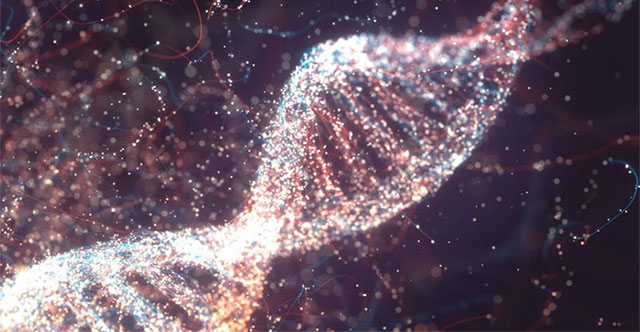
Police may soon be able to catch criminals by using a completely different DNA sampling method to test for evidence in the air.
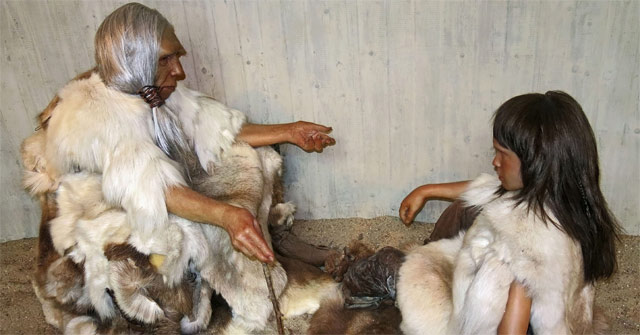
According to archaeologists, they found evidence of the earliest time human ancestors were not 'naked' in archaeological areas such as Gran Dolina in the Atapuerca Mount…

Humans sense position and movement on the ground based on the condition of Earth's gravity. In zero-gravity space, will that sensory nerve be altered, warping perception?
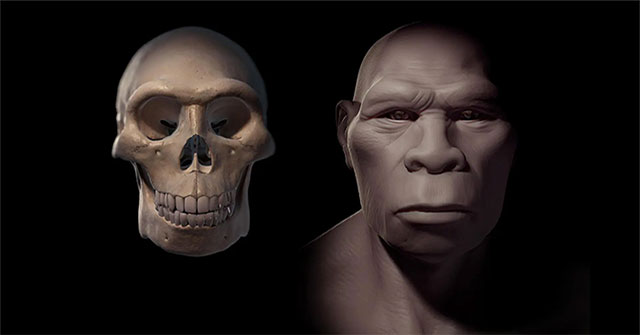
Hidden in a quarry in Israel's Upper Galilee region is a whole
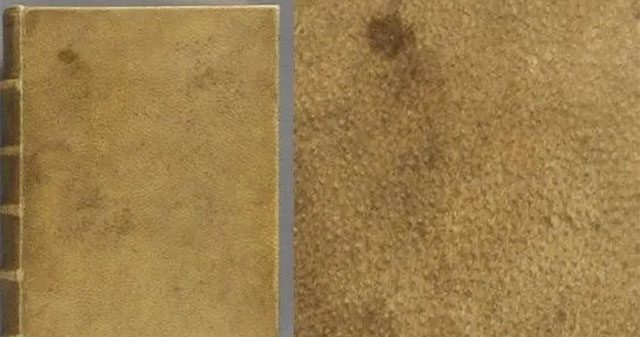
After the book's human skin cover is removed, interested people can still read the book's content directly at the Harvard library or online.
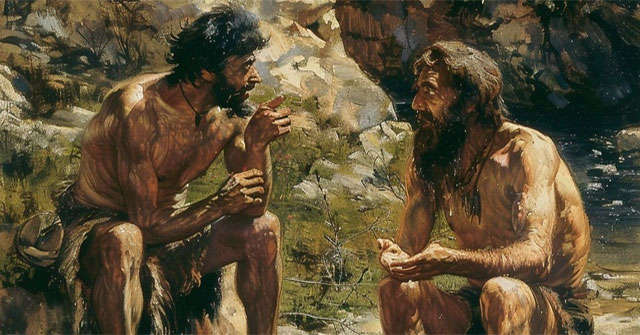
New research has shown when prehistoric people first started talking.