Medicine - Health
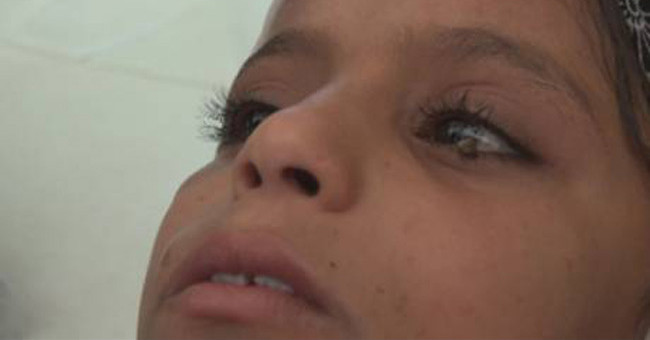
Can not explain the most bizarre cases of human history
Medical history has recorded many mysterious diseases that so far, scientists still cannot explain.
Browse ScienceInfo articles and explainers related to Human.
6,757 published items.
Medical history has recorded many mysterious diseases that so far, scientists still cannot explain.
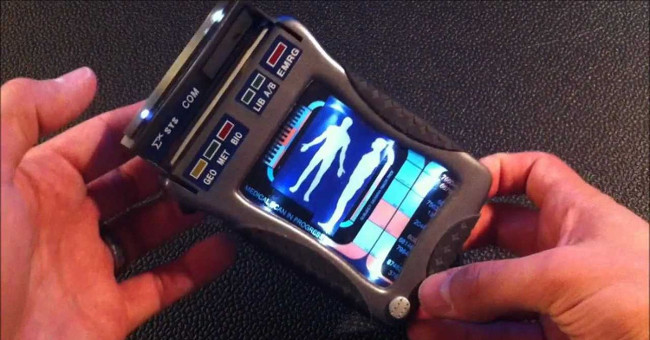
2017 marks many medical breakthroughs in the world. Let us also find out what these breakthroughs are and how they contribute to human medicine.
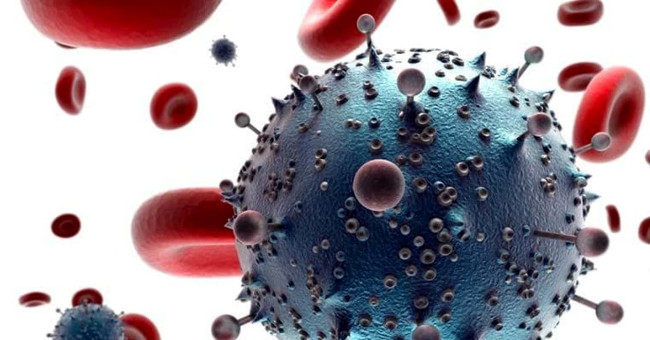
In the 80s and 90s of the twentieth century, HIV-infected patients are expected to die soon. Therefore, they quit their jobs, withdrew their pensions and tried to enjoy…

Scientists have successfully recovered cardiac function in pigs with heart failure through genetic modification. This therapy will be clinically tested on humans next ye…

Your genome set is usually 49.99% like everyone else. But there are a few mutations that you can create, or you may be their victims. And gene mutations are often very o…

The pubic lice are located deep in the pores that cling to the skin of the person making it difficult for the burned person to detect itching but only think of another i…
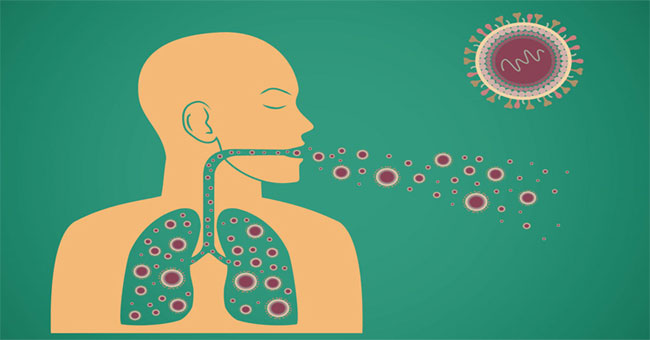
One could argue that these epidemics are actually not new, they have existed in human society for centuries but have only recently been known for scientific progress.
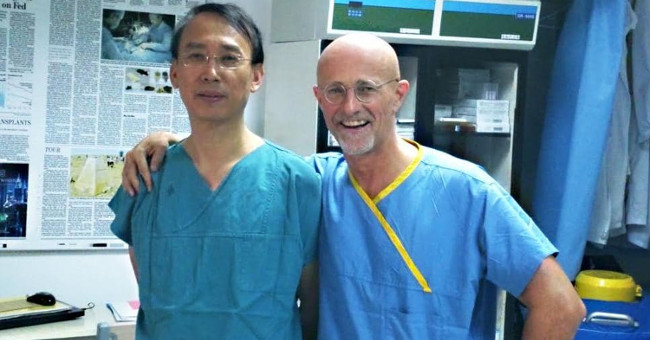
Chinese professor denies that he and his partner successfully performed the world's first human head graft surgery with a corpse.

New research results published in Science Translational Medicine raise concerns about the infectious potential of this disease.
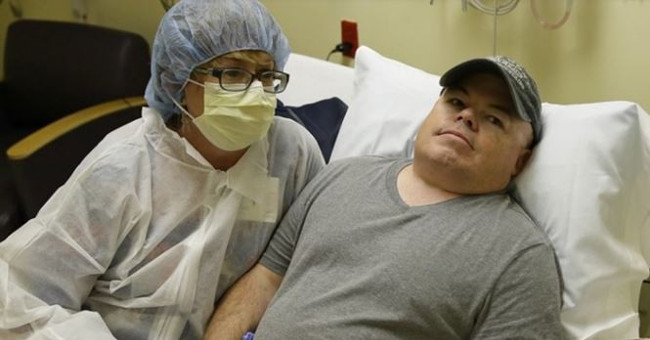
The gene tool acts as a scissors, it can find and cut off DNA fragments in an extremely precise way that the naked eye cannot see.

According to scientists, the human body can stay young over time based on blood cells themselves.
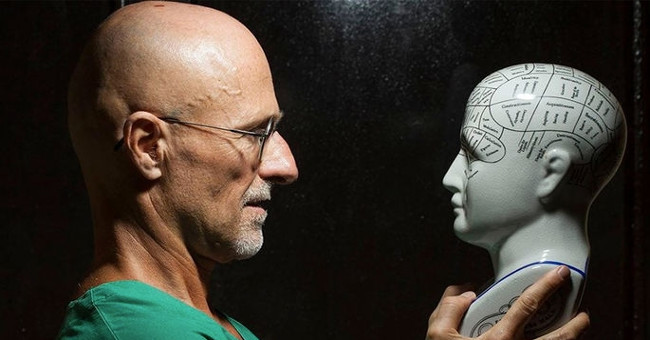
The world's first human head transplant surgery performed on a body revealed the possibility of connecting to another body.
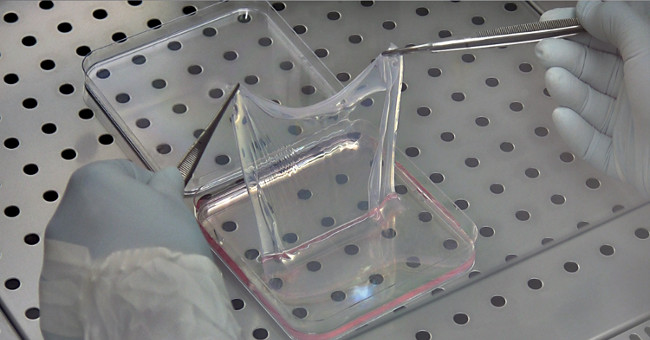
Like a tree planted, scientists have raised very small pieces of human skin, growing up to cover the body of a 9-year-old boy who lost 80% of skin.
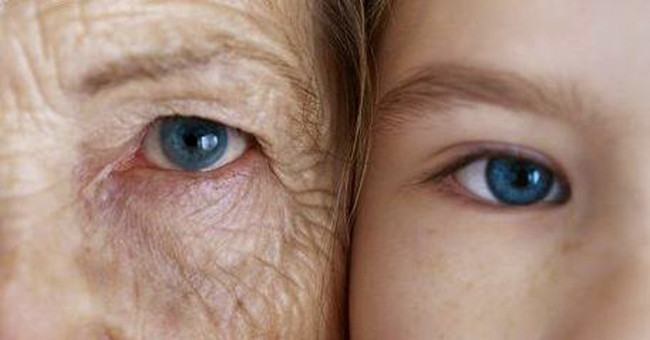
A video by Kurzgesagt shows that some near-perfect studies are promising to make a big step in preventing the aging of people.