
Animal world
People make animals evolve faster
As a superior predator, humans force animals to change their body size and reproductive age at a rate three times faster than the natural effect.
Browse ScienceInfo articles and explainers related to Hunting.
482 published items.
As a superior predator, humans force animals to change their body size and reproductive age at a rate three times faster than the natural effect.
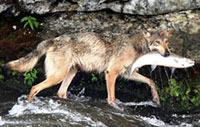
Western Canadian wolves prefer salmon rather than hunting deer or other animals.
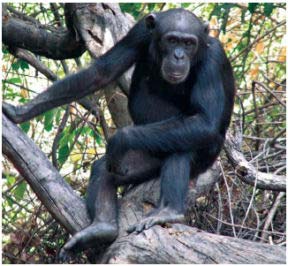
For the first time, research experts conducted observations of chimpanzees to make and use tools for hunting. Moreover, it shows that almost children and immature childr…

The researchers found that the large civet carried the bait to return to its young. As the baby grows older, the older one will help the child disable the prey. And fina…
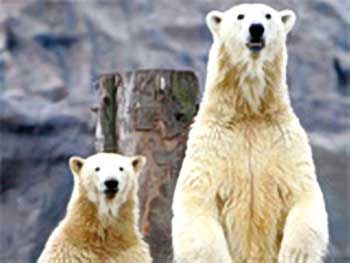
In the face of the threat of survival of the polar bear, the Greenland government recently introduced a hunting limit for this animal. This limit measure is designed to…

The device called Waste Shark - a new invention by scientists who help clean up garbage - is about to go live.
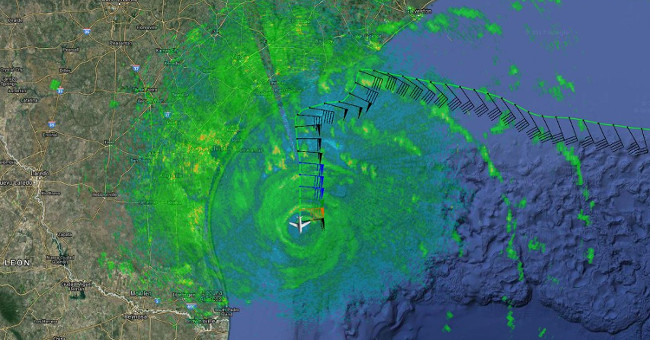
The flight before the Texas hurricane Harvey was the ultimate research mission to gather the most up-to-date information on storms and storms.
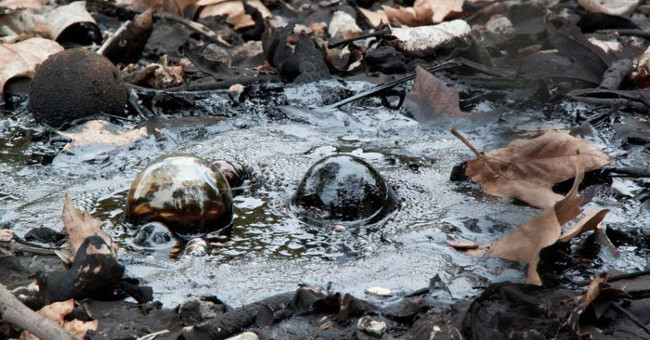
On Trinidad Island in the Caribbean Sea there is a special lake. There is not much water in the lake, but a lot of asphalt accumulates. Therefore, it is called asphalt l…
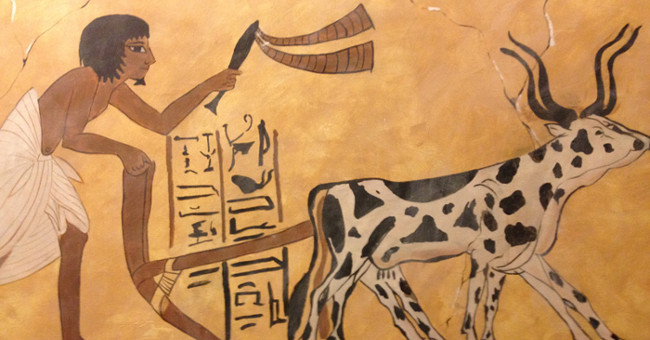
The landmark change of the Earth's ecosystem began 6,000 years ago when people increased hunting, agricultural land use, fire use, animal domestication and sedentarizati…
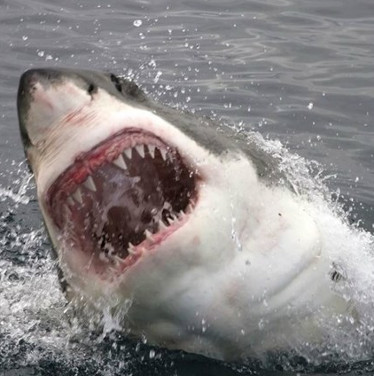
Australian scientists think that climate change will make sharks smaller and less thirsty

A recent study published in Nature Geoscience shows that polluted air has a significant impact on the total flow of many rivers in the Northern Hemisphere.

United Nations experts warn humans will not have a chance to see fish in the oceans by 2050 if we do not allow their numbers to recover.

In Vietnam, the remuneration paid by the oligarchs to rhino hunters is far higher than for the state to protect conservationists.

The risk of hunting for brown bears declined sharply during the economic downturn as hunters could not afford the cost of shooting them.

The United Nations Environment Program (UNEP) and the International Union for Conservation of Nature (IUCN) have warned of the rapid decline in the number of whales and…