
Space science
SpaceX tested the strongest rockets ever
SpaceX completed its first test of all three engines of the Falcon Heavy Missile, the strongest rocket ever, yesterday, according to UPI.
Browse ScienceInfo articles and explainers related to ISS.
3,424 published items.
SpaceX completed its first test of all three engines of the Falcon Heavy Missile, the strongest rocket ever, yesterday, according to UPI.

Unmanned missiles Falcon replaces the X-37B aircraft departing from the launch pad at Kennedy Space Center in Florida, USA, yesterday, according to Space.
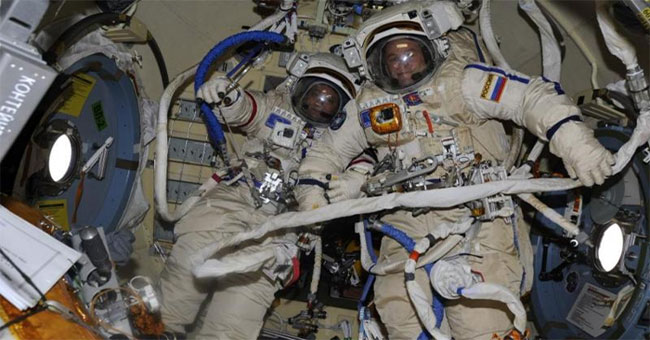
These micro satellites were in turn launched from the ISS International Space Station.
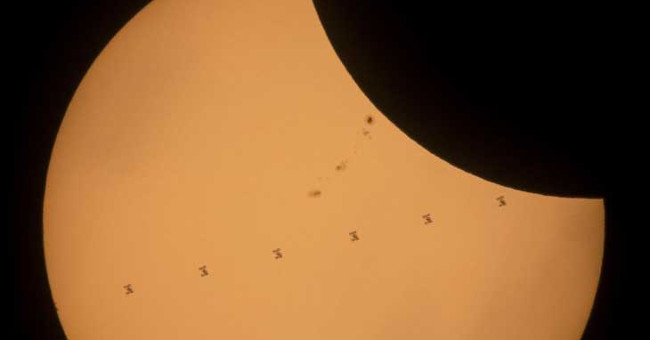
While millions of people gathered in many locations in the United States to observe the solar eclipse of August 21, astronauts on the International Space Station (ISS) h…
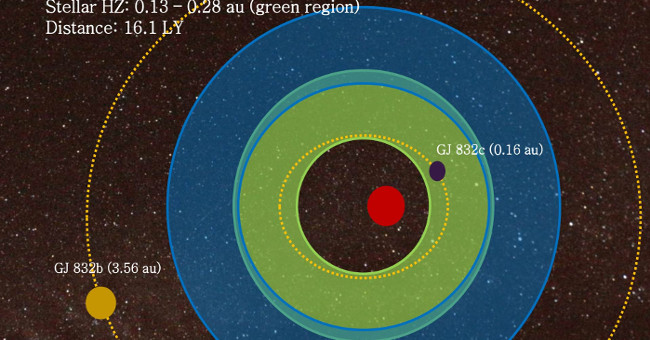
This is the star with the most Earth-like planets than any other planetary system ever discovered.
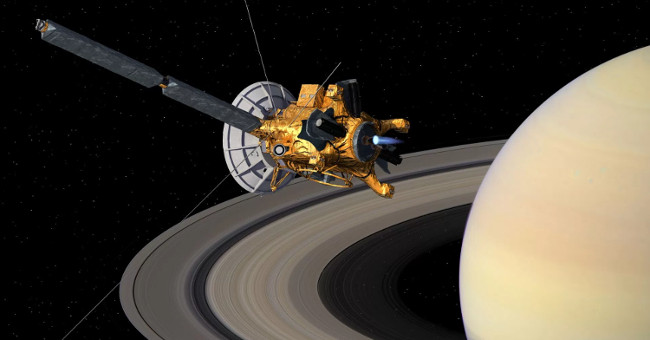
The Cassini spacecraft entered the final phase of its mission to fly 5 around Saturn and dive down close to the giant planet's upper deck, according to the International…
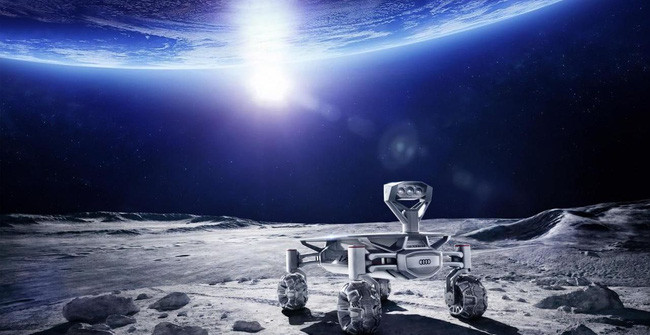
As efforts to reach the Moon become more feasible, scientists are considering bringing LTE coverage stations to the Moon by the end of 2018.
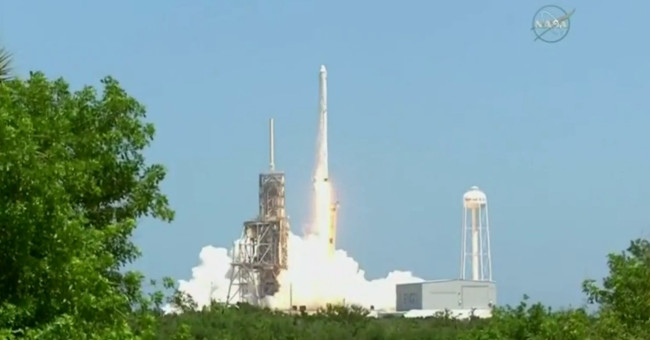
This is the last flight of the Dragon ship developed by SpaceX under a contract signed in 2008 with NASA in the Trade Trajectory Relay Service project.
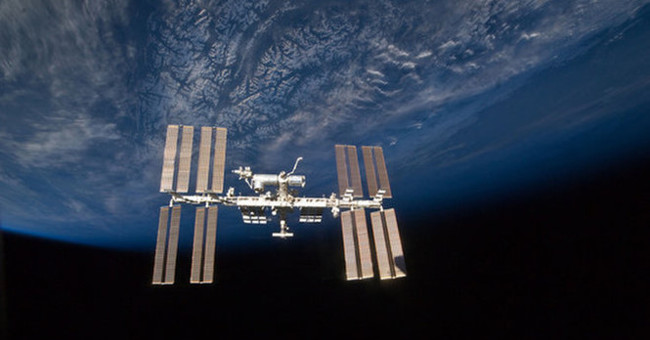
This project is part of the Michael J. Fox Foundation's partnership with the Space Science Center.
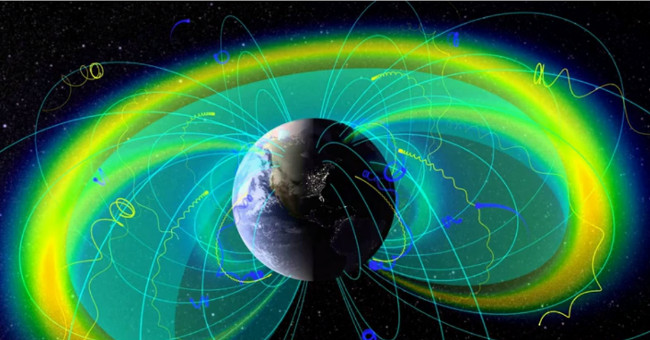
Scientists at the US Aeronautics Agency (NASA) have heard strange sounds created by plasma waves in the sky.

Recently, billionaire Elon Musk has posted on his Twitter and Instagram page with the announcement that SpaceX will launch the latest generation rocket in November.

The center is a successful place to control the Apollo 11 during the first human moon expedition, with two astronauts Neil Armstrong and Buzz Aldrin.

This finding raises suspicions by conspiracy theorists that NASA is hiding something.
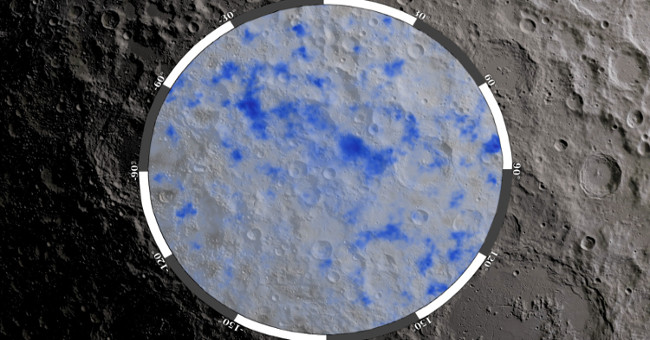
Recently, experts from Brown University (Rhode Island, USA) have found evidence that the Moon may contain a huge amount of water inside volcanic glass layers.
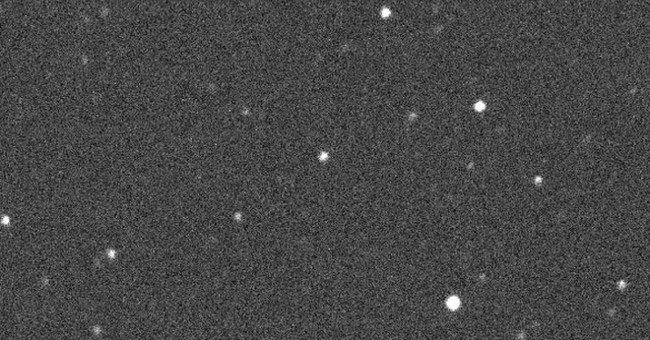
The event was in the early morning of July 17 even in a split second, but it would provide more information about this rock than the data was previously collected.