Archeology
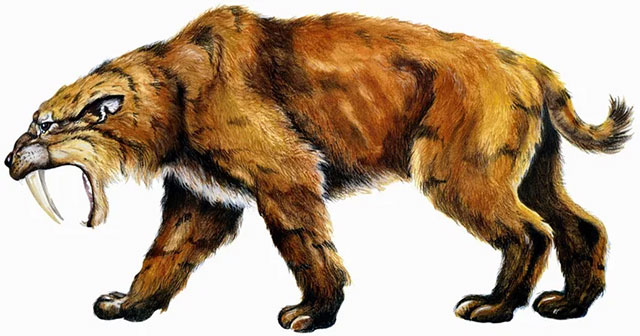
What if saber-toothed tigers still existed today?
The saber-toothed tiger is one of the most well-known Ice Age animals, yet modern science still doesn't really understand this massive predator.
Browse ScienceInfo articles and explainers related to Ice Age.
68 published items.
The saber-toothed tiger is one of the most well-known Ice Age animals, yet modern science still doesn't really understand this massive predator.

By observing changes in the number of sunspots, scientists have discovered that solar activity shows periodic changes.
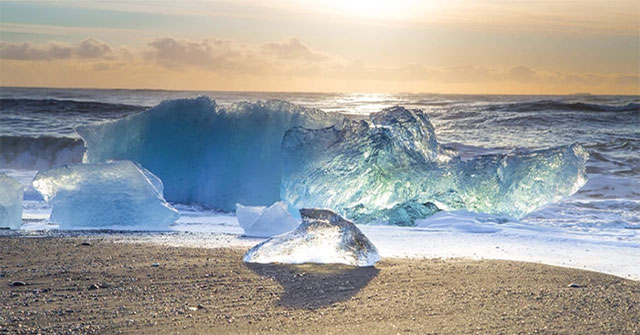
According to National Geographic, Earth has gone through several major ice ages - so when will the next big freeze happen?

If sea water can be brought into desert areas, countries will benefit from hydropower projects, industry... However, this idea has met with opposition from scientists.

New research shows that ancient dogs adapted to the cold helped early humans survive in the Arctic more than 10,000 years ago.

A mysterious black carpet, a sign of a large-scale fire disaster, found at an ice age site, Younger Dryas, has revealed a terrifying event from space.

A scientific expert has warned that the Earth may experience a 'mini ice age' lasting over 30 years, causing a sharp drop in temperatures and a possible scarcity of food.
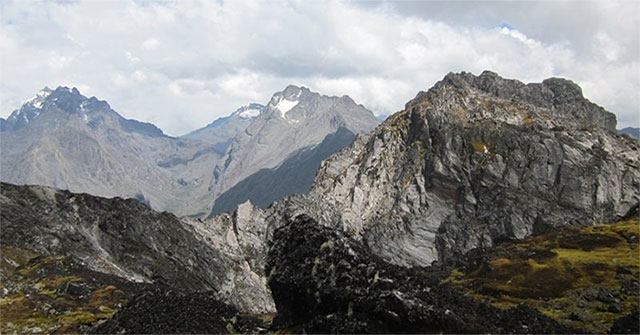
According to a study by Dartmouth University in Hanover, New Hampshire, USA, tropical glaciers in Africa and South America began to simultaneously melt at the end of the…
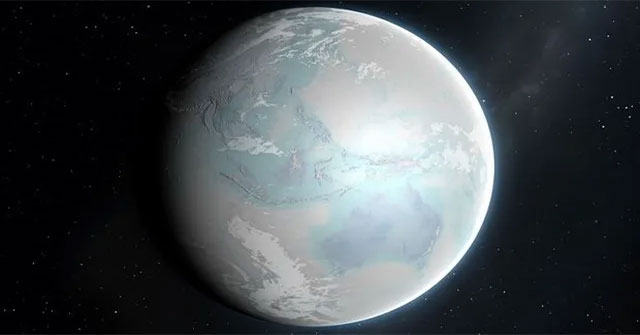
Imagine the Chicago Skyline building. Now imagine it's under the ice almost 2 miles (3 km) away. That is the view of the Earth at the most icy moment of the last Ice Age.
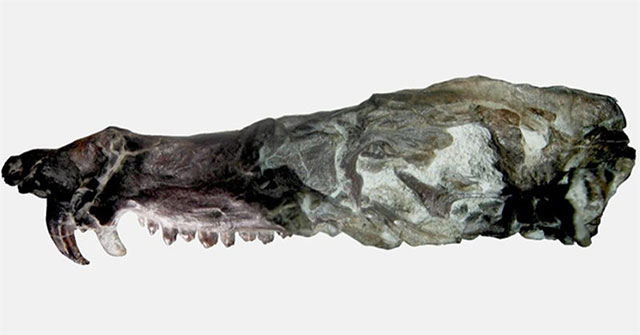
Discovered a 25 cm mammal (Animal class) that lived 230 million years ago in Argentina and shaped like a squirrel 'Scrat' in the animated film 'Ice Age.
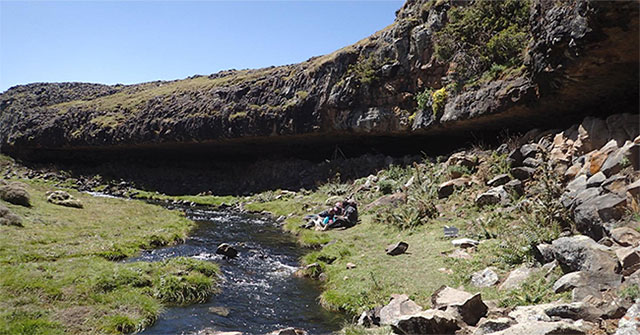
Recent scientists have discovered the first evidence of the presence of ancient people in Mount Bale, Ethiopia, Africa up to 45,000 years ago.

Twenty thousand years ago, the Earth was a place known for its extremely cold climate with many large ice sheets thousands of meters thick covering most of North America…
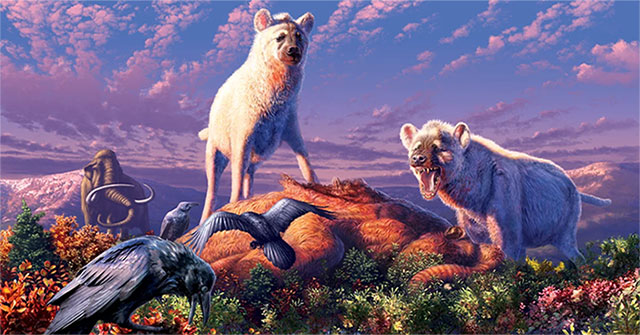
Archaeologists have discovered many biotic fossils in the Arctic. However, fossilized fossil was first discovered.

Humans have been living in Siberia for about 40,000 years, and a new genetic analysis has been made through the discovery of ancient baby teeth that will bring about the…
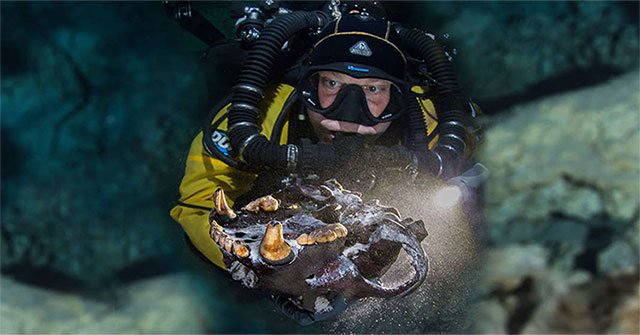
Researchers have discovered rare fossils in a famous underwater cave Hoyo Negro, in Mexico.