Environment
Alarming milestone: the Arctic Ocean will be ice-free in just 3 years
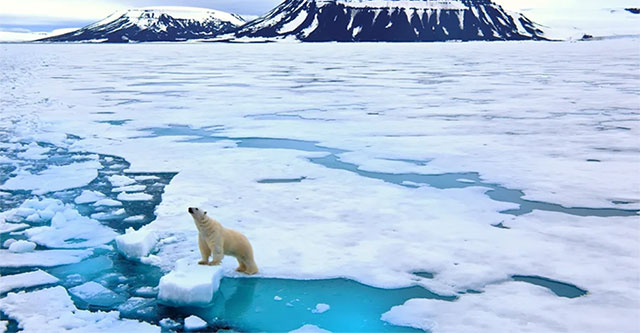
New research sounds the alarm: At the current rate of greenhouse gas emissions, the Arctic Ocean will have its first ice-free day in 2027.
Browse ScienceInfo articles and explainers related to Ice Melt.
103 published items.
New research sounds the alarm: At the current rate of greenhouse gas emissions, the Arctic Ocean will have its first ice-free day in 2027.
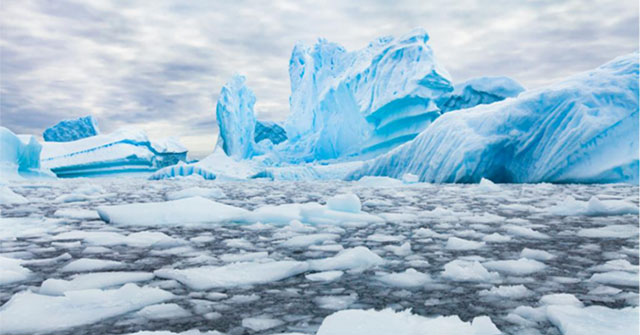
Climate and ocean experts point to signs that even Earth's vast polar ice sheet has its limits, and that limit is shrinking.
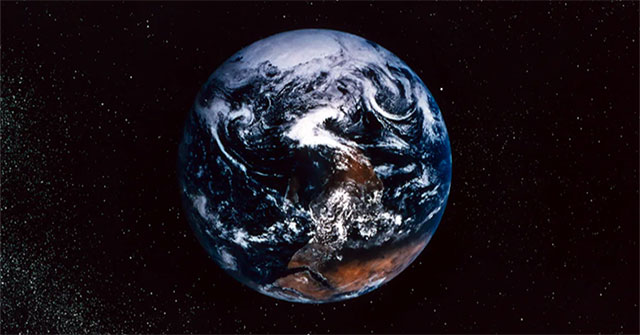
Researchers predict that in the next few years, every person in this world will lose 1 second of their daily time.
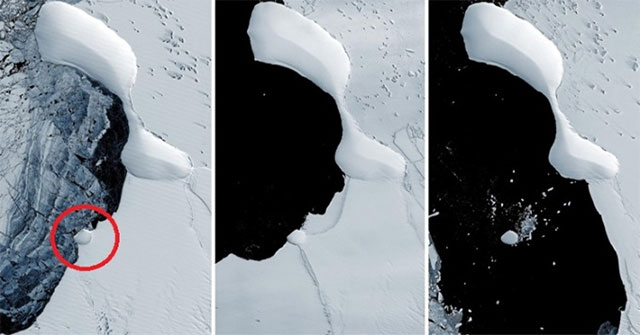
Scientists discovered a newly revealed object that looks like an island in Antarctica, about 30-35m high above sea level.
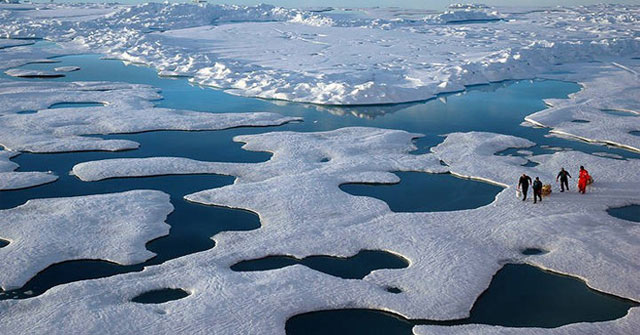
Freezing on Earth, 99% is at 2 poles, 1% is inland. And any part that melts, mankind has suffered terrible consequences.
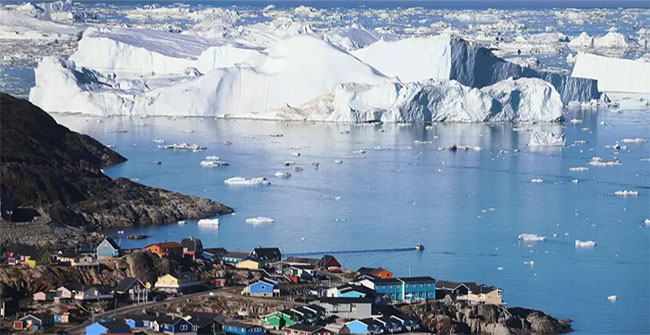
Hot weather dissipates a large amount of ice in Greenland, causing the global sea level to rise 0.5 mm.
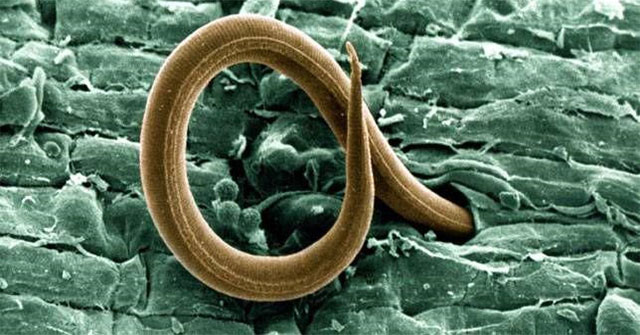
The multicellular bacteria and animals are gradually recovering when the polar ice begins to melt. One of the specimens has a life expectancy of up to 41,000 years.

Permanent permafrost in distant places in Canada's Arctic region is thawing 70 years earlier than expected.
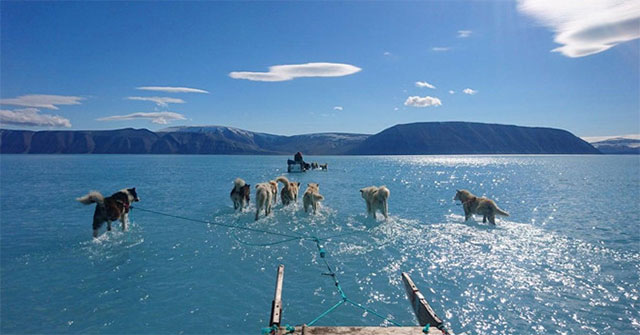
The photo of a swarm of domestic sled dogs in Greenland startled the world community and was shared on the internet over the weekend. Is it still timely to combat climat…
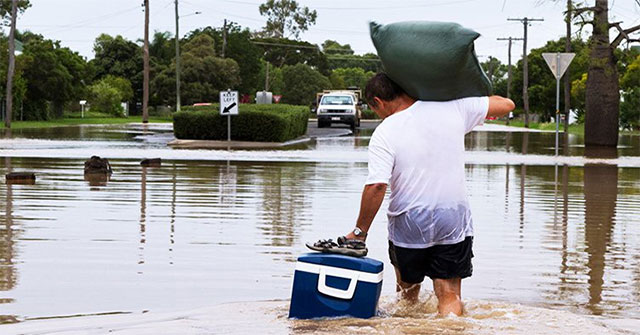
The reason everyone guessed it was: climate change again.
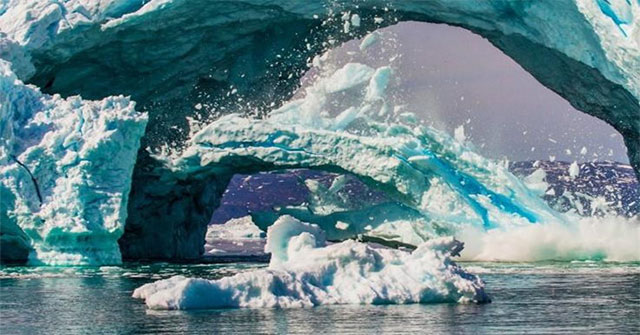
Scientists have found that the area of Greenland ice sheets is decreasing with the melting of ice into the oceans never seen in nearly half a century.
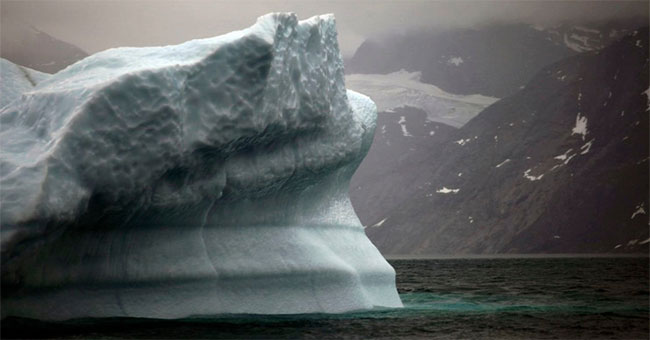
New research published in the journal Environmental Research Letters shows that ice melting in the Arctic causes 14,000 tons of water to flow into the oceans every secon…

In fact, using salt to melt ice doesn't just appear in life tips or fun experiments at home.
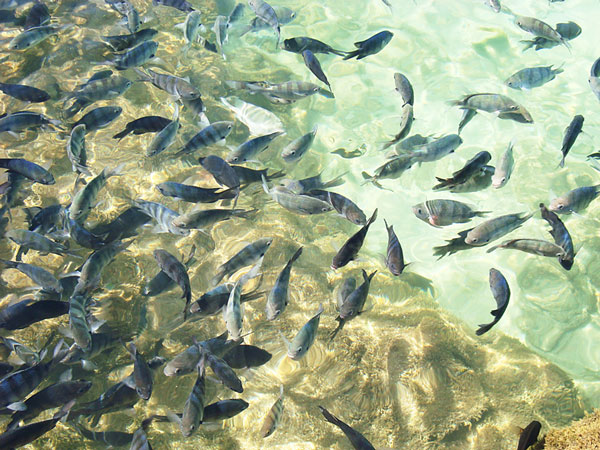
The Union of Environmental Organizations has issued a statement calling for protection of the marine environment in the Ross Sea in Antarctica to prevent the development…
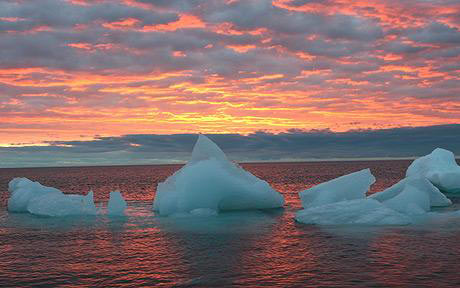
The Arctic ice has melted with unprecedented speed this past summer. US scientists warn that global warming may cause the Arctic ice to disappear by September 2030.