Biology
Use bacterial immunity to make them
The overuse of antibiotics on humans and animals is thought to be the main cause of the increase in antibiotic-resistant or superbug bacteria.
Browse ScienceInfo articles and explainers related to Immune.
517 published items.
The overuse of antibiotics on humans and animals is thought to be the main cause of the increase in antibiotic-resistant or superbug bacteria.

A new study has shown that the more interrelated the Plodia interpunctella immune system is, the more damaged it is.

Scientists at St Petersburg National University have created a series of genetically modified crops (beans, tobacco, carrots), capable of producing interferon, an anti-f…

The primeval virus, like a virus that causes AIDS, has existed for at least 5 million years, even 12 million years.

During the past 2,000 years, Chinese oriental medicine specialists have been treating malaria with root extract from a kind of hydrangea flower growing in Tibet and Nepa…
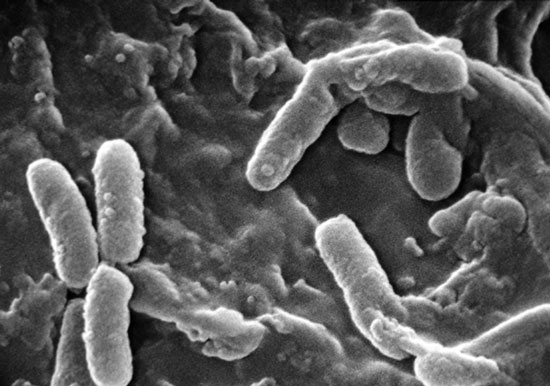
Singapore's Nanyang Technological University has found a way to kill drug-resistant bacteria.
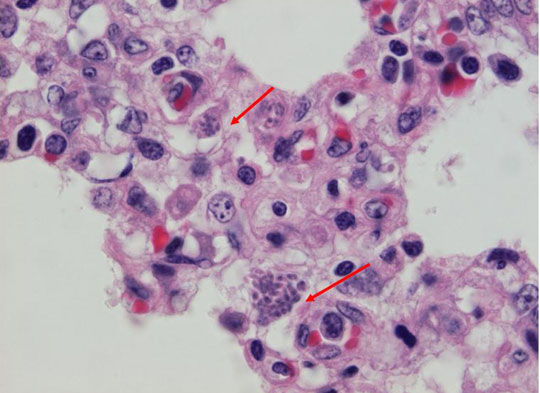
Scientists found the role of ROP18 protein can help parasites form protective membranes when penetrating host cells.
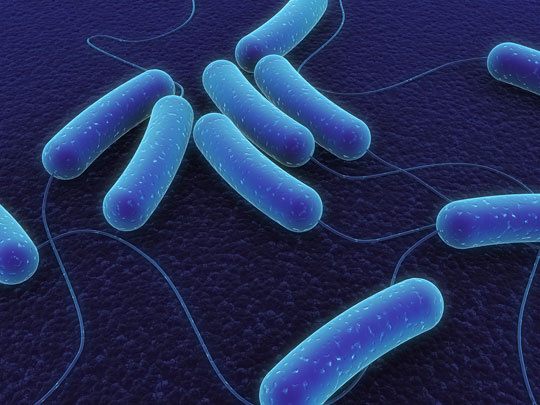
Scientists from Canada and Denmark have deciphered the bacterial immune system, helping to solve the problem of drug-resistant bacteria.

During the experiment, Japanese scientists discovered mechanisms to inhibit food allergies in animal bodies.

Researchers at Yale University in the United States have synthesized an artificial molecule capable of boosting the immune system against HIV.

According to the Xinhua News Agency, a group of scientists from the Helmholtz Munich Center (Germany) and colleagues in England and Italy have recently discovered a new…

A new virus like HIV attacks koalas, reducing their numbers and threatening them to become extinct.

Many DNA testing companies in the world are promising to make silk and maternal love for couples based on the results of genetic analysis.
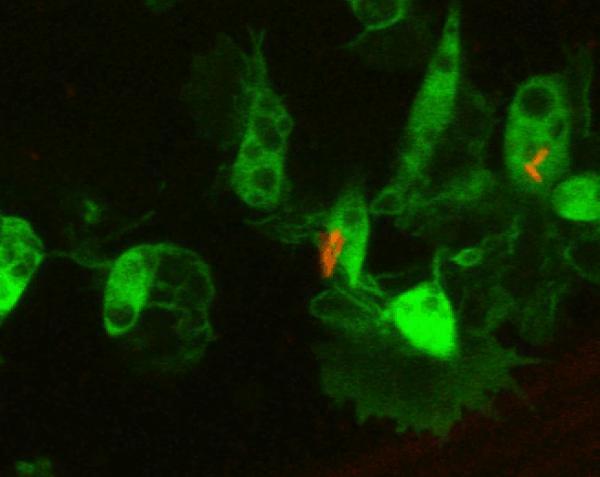
Researchers have developed a new tool that allows direct recording of bacterial attack on hosts.
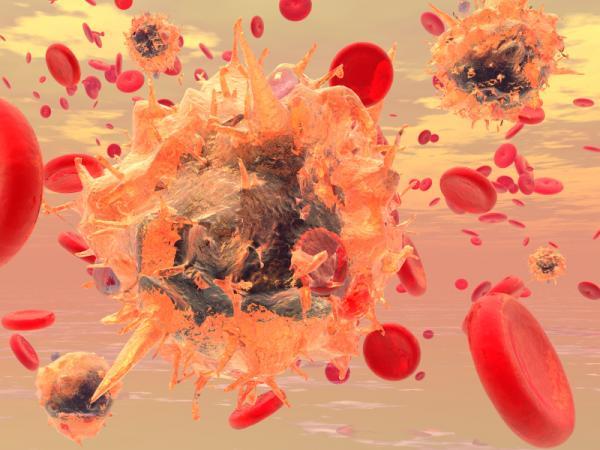
How do white blood cells - 'warrior' of the immune system - reach the site of infection or injury?