Archeology
Discovering strange ancient insects
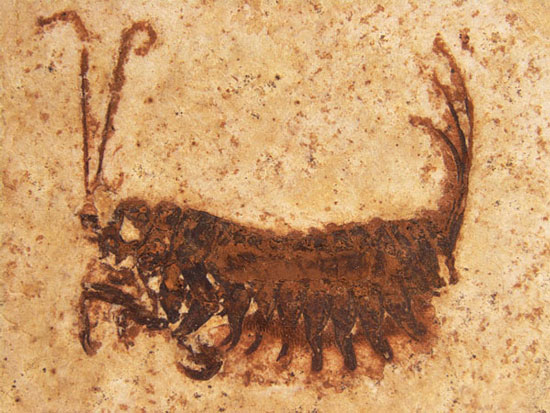
Scientists from the German Museum of Stuggart, Germany have discovered a new class of insects, living in South America at the beginning of the White Rabbit era, Global S…
Browse ScienceInfo articles and explainers related to Insect.
937 published items.
Scientists from the German Museum of Stuggart, Germany have discovered a new class of insects, living in South America at the beginning of the White Rabbit era, Global S…
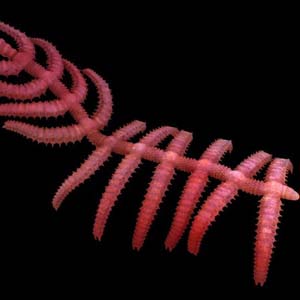
Chinese scientists say that fossils of an insect have been discovered that may be an intermediate stage of development of more ancient animals with today's arthropods.
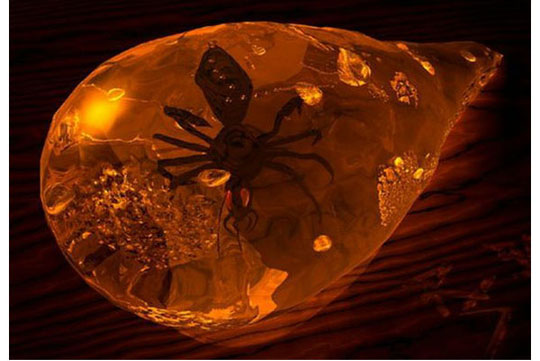
On the 50 million-year-old amber plate discovered in India, archaeologists found more than 700 ancient insect species belonging to 55 strains.
The large collection of insects such as bees, termites, spiders, flies, ants dating back about 53 million years ago challenged the hypothetical theory of India's ancient…
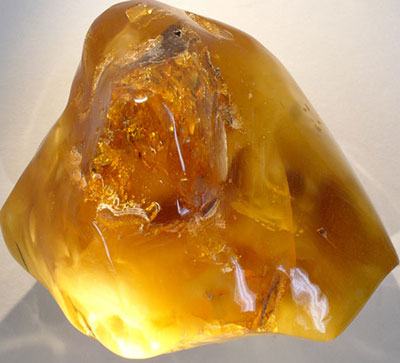
International fossil researchers have discovered an amber weighing up to 150kg in Gujarat, western India.

Until now, the scientific community has not had an exact answer on the type of food of ancient reptile animals.
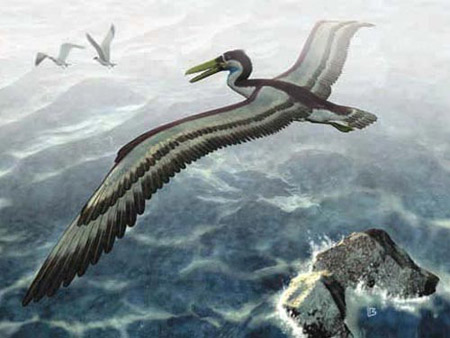
Millions of years ago, toothed birds, flying lizards and super insects were lords in the sky. They eat every animal, from flies to dinosaurs ...

Scientists at Tufts University (USA) have said they have discovered traces of the oldest insect ever.
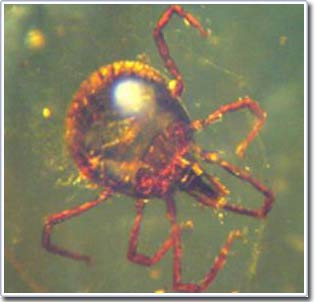
Maybe at the time of the extinction of the dinosaurs there were meteorite crashes or volcanic eruptions that happened but there was a book that debated the most powerful…
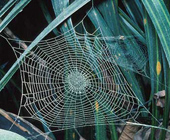
A spider silk with an entangled insect still intact there was found in a piece of amber in Spain. The amazing thing is that it dates back 110 million years, from the tim…
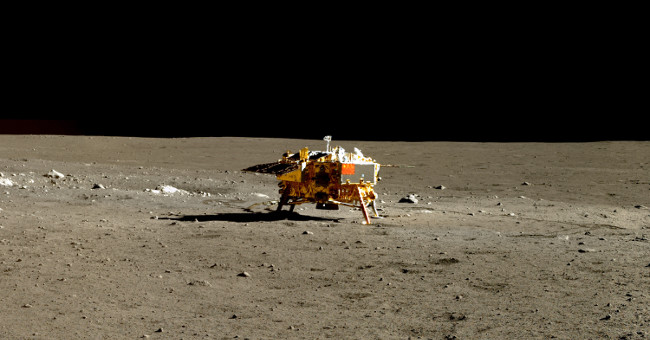
The task of Hang Nga 4 will begin in June with the launch of Long March 5 rocket carrying a spacecraft to orbit the Moon
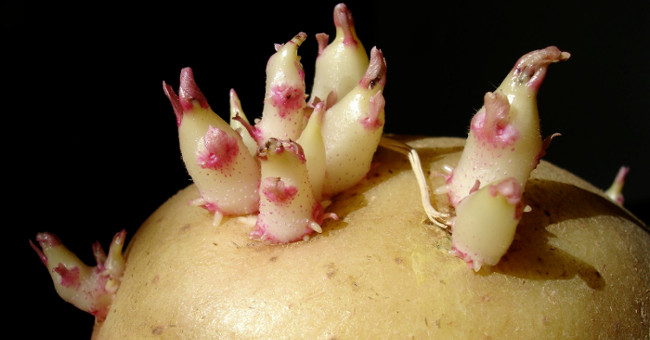
A small ecosystem in a 3-kilogram container made by scientists at Chongqing University will be put on the Moon by Thien Cung 4 in 2018.
About 800 ants will be taken to the International Space Station (ISS) in a new research mission.

After 12 months of being launched into space, up to 80% of Chironomidae mosquito larvae live healthy after the flight to the arduous ISS station.
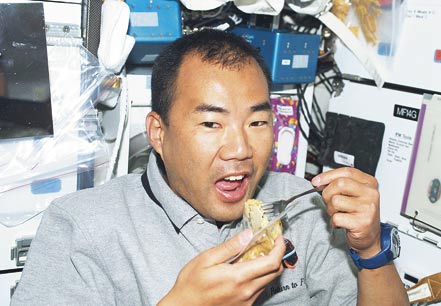
Since humanity began to set foot in the universe, the astronaut's food has always been improved to suit the zero gravity environment. The first dish is ice cream, then c…