
Biology
Butterflies 'vampires' use blood as gifts
Scientists have discovered a blood-sucking moth in Russia's Siberia region. Their blades have hooks and prongs to drill deep into the prey's skin.
Browse ScienceInfo articles and explainers related to Insect.
937 published items.
Scientists have discovered a blood-sucking moth in Russia's Siberia region. Their blades have hooks and prongs to drill deep into the prey's skin.

A new species of rare dragonfly discovered in Phu Quoc. Experts only recorded 3 individuals of this rare dragonfly species.
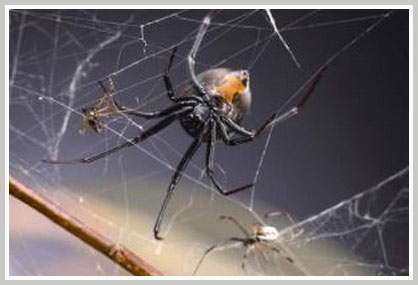
The red-backed female spiders are usually very aggressive and ready to tear apart male spiders who are unable to mate for a long time.

Thanks to the pollination of plants and bees and many insects that help people create vegetables, fruits, oils and many other things. Their efforts are worth $ 220 billi…

Due to the yellow color attracting the attention of harmful insects, many plants deal with their own red leaves to reduce their losses in the fall.

The dance is the champion of dance in the insect world. They can turn up to 100 times higher than body length.
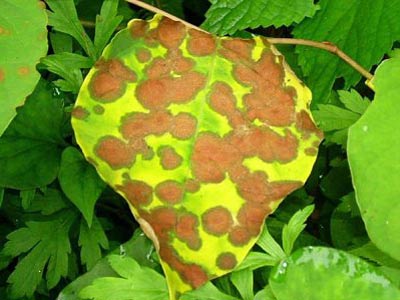
The abundance of little trees on England will end thanks to a Japanese insect and fungus.

A species of rod beetle, scientific name Phobaeticus chani, has been identified by famous scientists in the United Kingdom and the United States as the longest insect in…

Researchers at the University of Washington found that the chilliness of chili would increase in proportion to the amount of enemies it had to deal with like insects, fu…

The weta crickets are indeed huge. Weighing up to 20 grams, they are one of the heaviest insects in the world. But the male is only half that size.
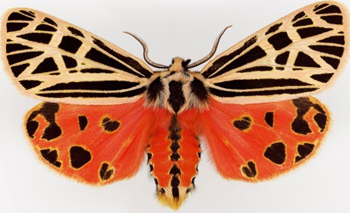
If you eat a sausage at a fast food store, you will definitely remember that experience whenever you see the brand of that sausage.
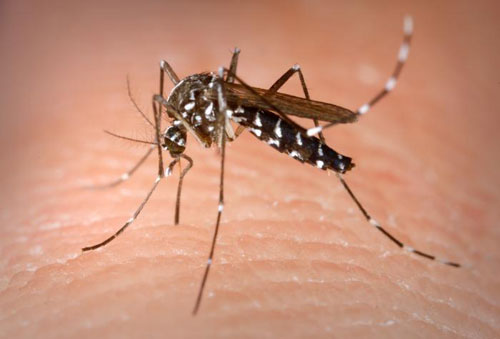
Asian tiger mosquitoes (Aedes albopictus) have black and white pods, they are small, prefer to live in shrubs and grasses, mainly in rural areas.

If you are a fan of habañero salsa or excellent Thai food, you owe a lot to bugs, whether they are flightless or species that can only be observed through a microscope.…
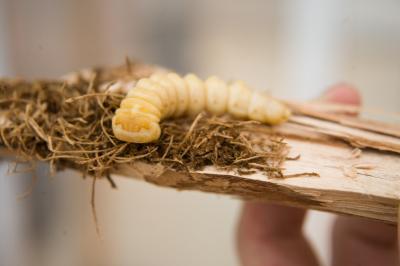
According to a group of entomologists and biochemists, a small, little-known fungus in the gut of Asian long-horned beetles has helped them chew the hardest wood.

According to researchers at the Smithsonian Tropical Research Institute in Panama, the beetle-colored beetles or butterfly-colored larvae may signal chemical compounds t…