
Discover science
Danger lurks inside the mountains where birds sing and insects chirp
If you come across a deep mountain without insects or birds, turn back immediately. Don't go alone.
Browse ScienceInfo articles and explainers related to Insects.
571 published items.
If you come across a deep mountain without insects or birds, turn back immediately. Don't go alone.

For centuries, insects have been used as biological weapons to spread disease and destroy crops.
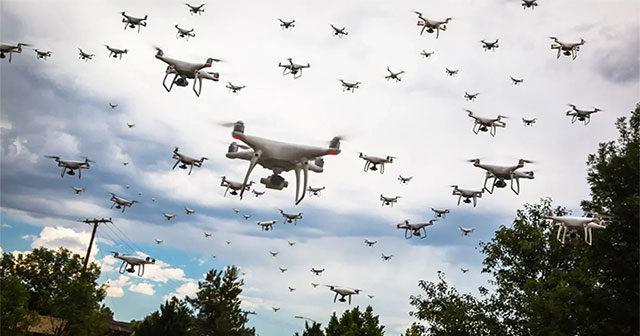
Artificial intelligence (AI), computer programs that simulate human mental processes, is a new and promising technology that seems poised to change our lives.
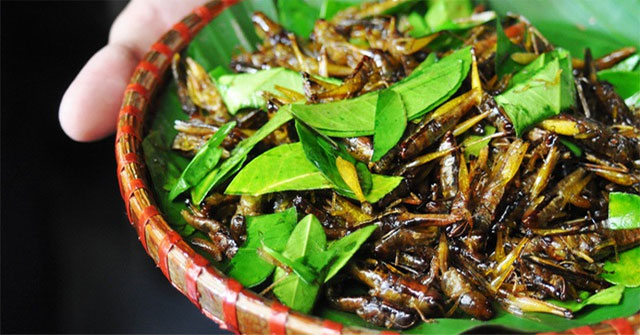
It is currently the fall season of catching grasshoppers and locusts. Rural specialties such as crispy fried grasshoppers and roasted grasshoppers are loved by many Viet…
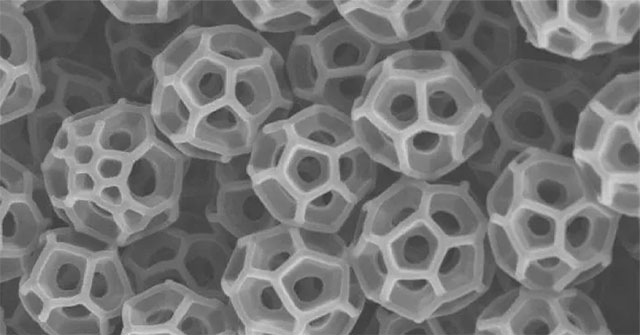
The leafhopper - a common leaf-eating insect that secretes small brochosome particles, could be the inspiration for scientists to create stealth technology.
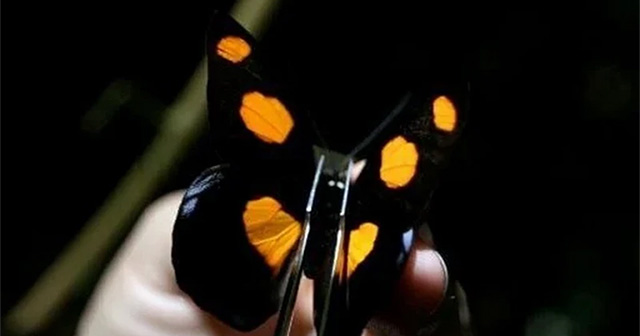
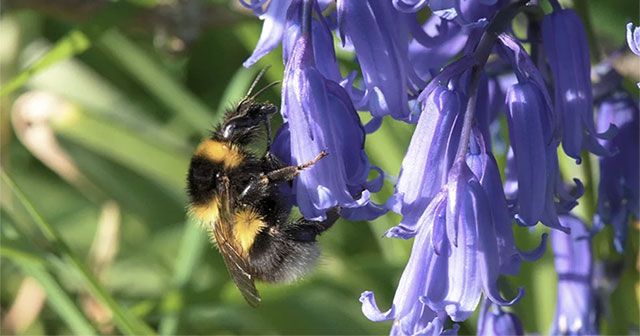
Flowers have many ways to signal to insects which flowers have pollen, for example by color, scent and even changes in electrical current.
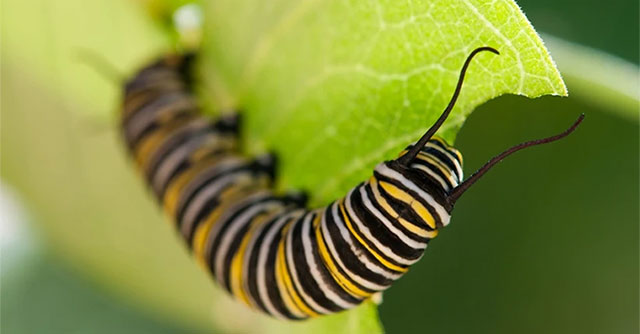
Scientists have discovered that when faced with danger such as pests, plants have the ability to spread a volatile compound around to warn healthy plants to activate def…
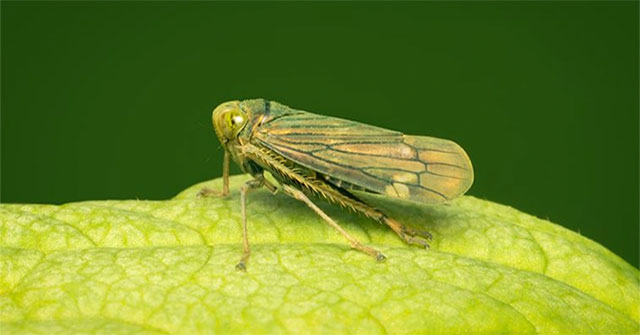
In science, even the smallest and seemingly insignificant creatures can create great technological innovations, like the hopper.
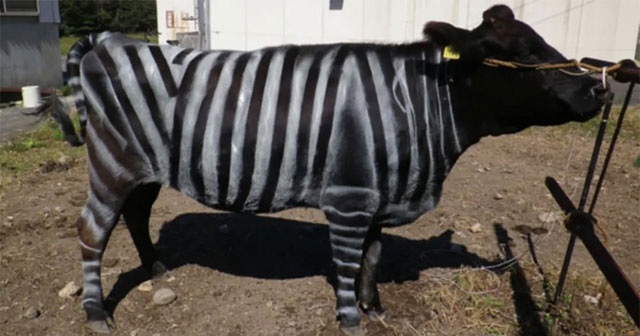
Black cows with white stripes are less likely to stomp their feet, wag their tails or shake their heads to ward off flies than their counterparts.
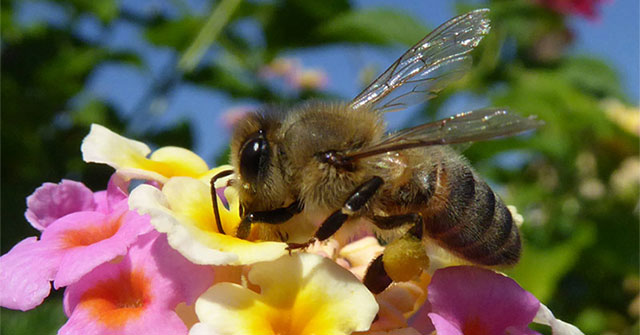
Some insects produce proteins when their bodies are subjected to pain, which have the same effect as humans in regulating how the brain perceives.
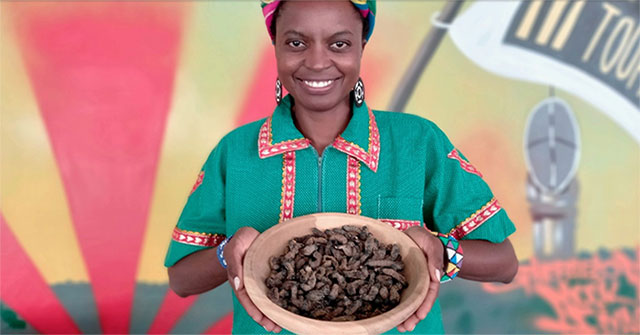
A South African entrepreneur recently demonstrated that insects can be a valuable source of nutrients and that raising insects for food is completely harmless to the env…
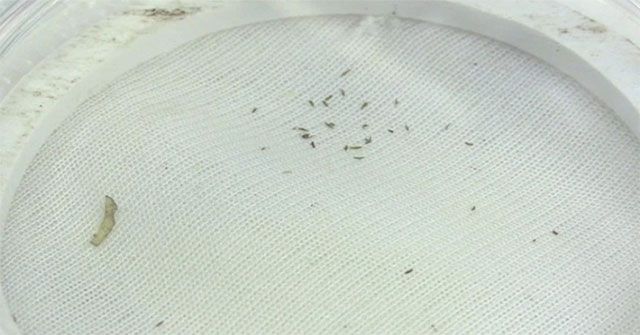
Researchers have developed a material with a maze-like structure that prevents small pests from getting close to plants.
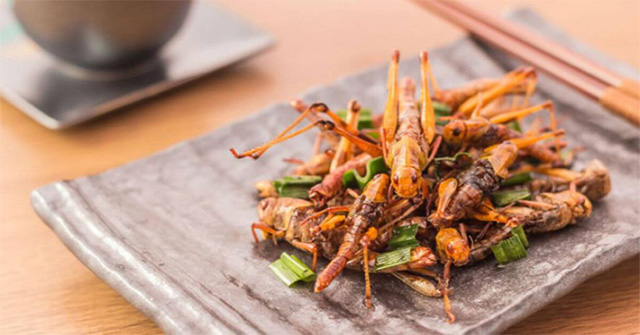
Experts at Wageningen University believe that adding insects to the diet can help move the world towards a more sustainable future.

UK's University of Bristol has successfully developed a robot that can flap its wings and generate more power than insects of the same size.