Archeology
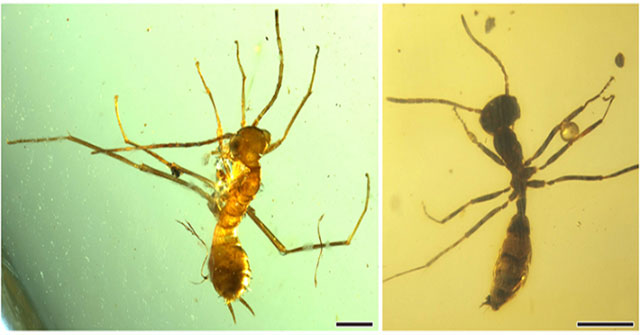
100-million-year-old amber discovered containing 'insects pretending to be ants'
Chinese scientists have discovered a prehistoric insect from Cretaceous amber that shows the earliest ant-mimicking behavior.
Browse ScienceInfo articles and explainers related to Insects.
571 published items.
Chinese scientists have discovered a prehistoric insect from Cretaceous amber that shows the earliest ant-mimicking behavior.
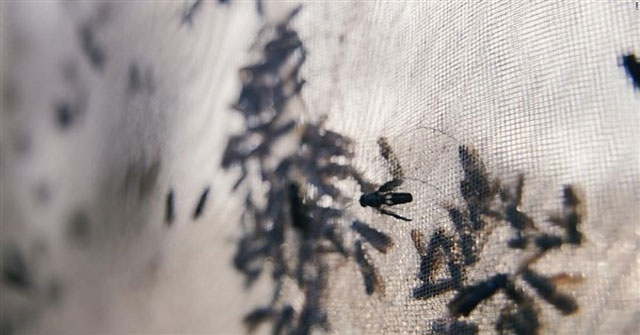
Chua Kai-Ninh spends a lot of time during the day making sure that his animals are well fed and grow fast.

Scientists on July 1 announced the discovery of amber fossils from the Cretaceous period still preserve the true colors of ancient insects.
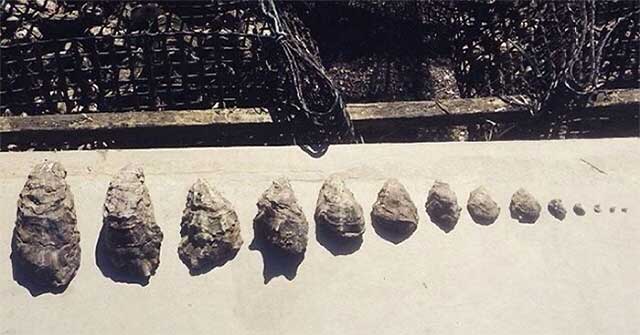
Social media users are sharing simple yet elaborate photos of the fruit's growth, the growth of flowers, and other interesting things that show the wonders of nature.

Is the fear of cockroaches in humans a purely natural product or a nurtured emotion?
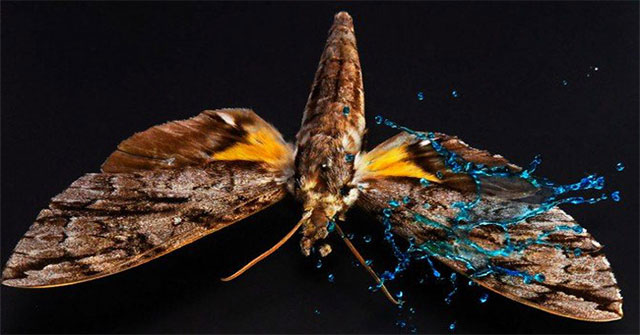
How do insects avoid raindrops bearing the shadow of death?
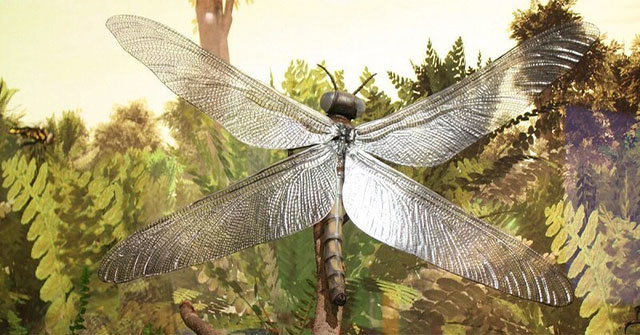
No matter how cute or small the animals today are, in them in prehistoric times all looked extremely scary, giant. Giant dragonflies and facts about the prehistoric worl…
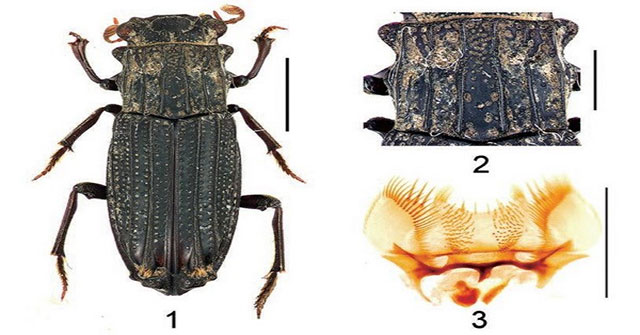
The newly announced insect is a species of beetle, scientific name Rhyparus vietnamicus Ochi, Kusui, Pham, 2018; 2 cicada species belong to the genus Sogana, Tropiduchid…
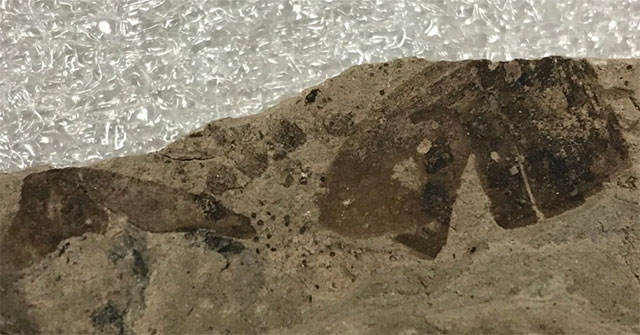
Researchers have announced the discovery of a fossil of a strange insect named Morrisonnepa Jurassica in Utah, USA.
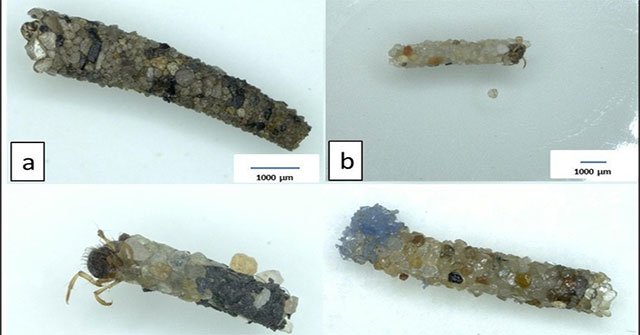
A larvae belonging to the Plumage Wing have adapted to environmental pollution, but this can be traded for their lives.
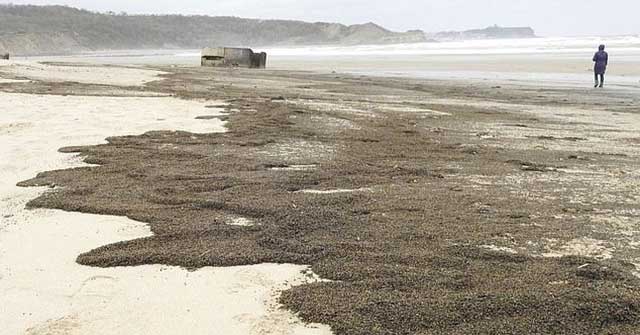
Unusual spectacle rarely happened, so the witnesses shuddered.
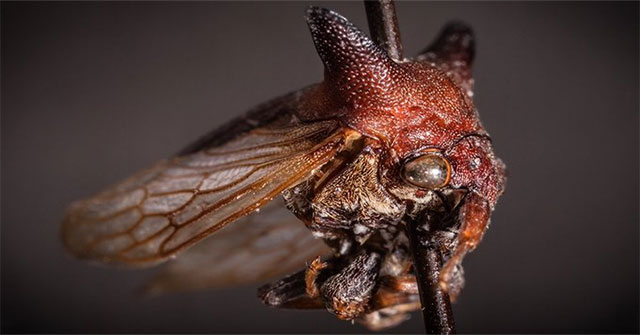
Scientists decided to name the recently discovered insect after Lady Gaga do
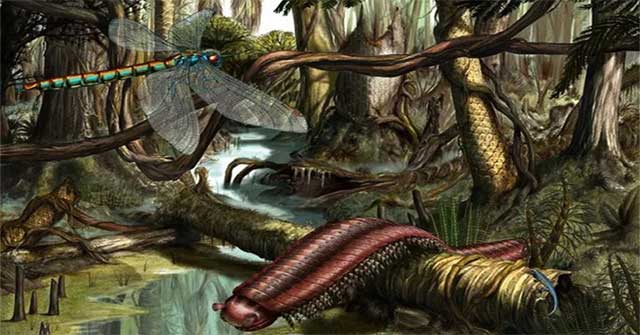
Giant insects have always been a rich source of fuel for science fiction movies, and in fact there have been periods of huge giant size.

Stalk-eyed flies (Stalk-eyed flies) belong to the Diopsidae family, they are different from other flying insects in their long-stemmed eyes. This stem protrudes from the…
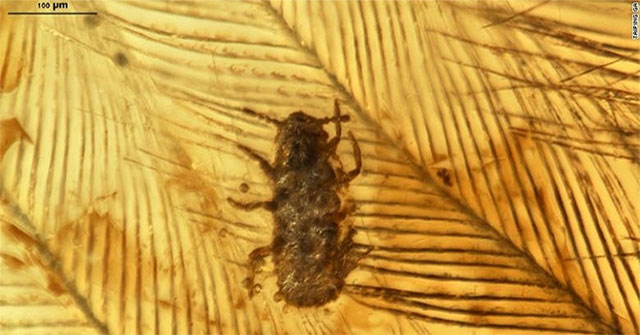
Scientists have discovered that a very small lice-like insect today is stuck in amber masses with an intact dinosaur fur.