Space science
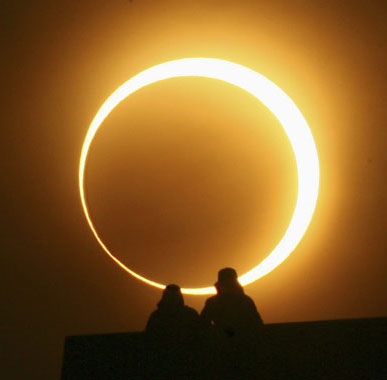
Sino-Japanese-Americans will witness an eclipse of the annals
By the time the Sun rises in some parts of China and Japan and at the time of the Sun setting in the West of the United States, people in these places may witness a real…
Browse ScienceInfo articles and explainers related to Japan.
1,688 published items.
By the time the Sun rises in some parts of China and Japan and at the time of the Sun setting in the West of the United States, people in these places may witness a real…
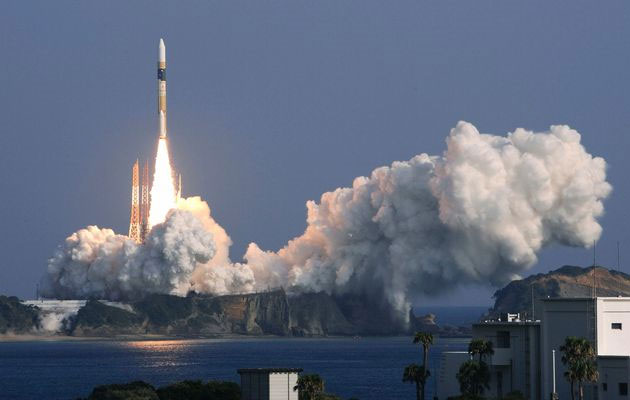
Japan today (December 12) launched a new-generation reconnaissance satellite into orbit, amid growing concern of the country over North Korea's missile program and surve…

Japan has launched a new satellite to collect information thanks to the H-2A missile at Tanegashima Space Center in Kagoshima Prefecture on Friday September 23, 2011, th…
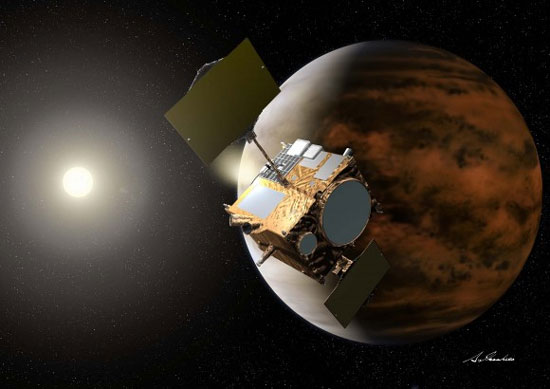
Japan said it had successfully tested the Akatsuki probe engine to move this space probe into Venus's orbit in 2015 or later.
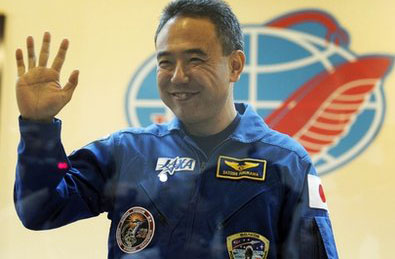
Astronaut Satoshi Furukawa will fly to space on June 8 along with Russian and American astronauts Sergei Volkov and Michael Fossum.
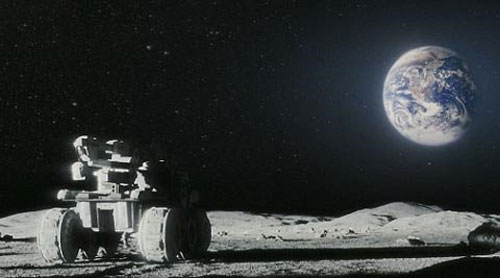
Like in a science fiction movie, Japan plans to build a giant power plant along the Moon's equator, to produce electricity sent to Earth.
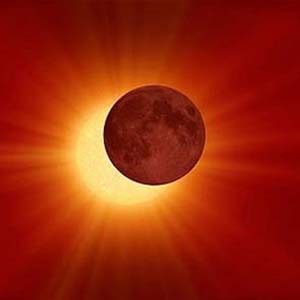
Japanese scientists are preparing to study the production of solar power by satellites in the universe and transmit electricity generated to the Earth by microwave techn…
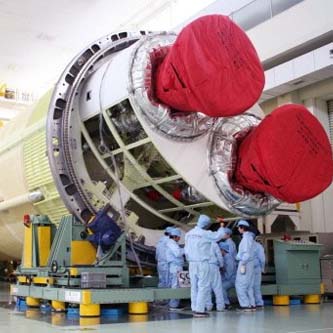
On January 22, Japan successfully launched unmanned transport spacecraft HTV2 to bring goods to the International Space Station (ISS).
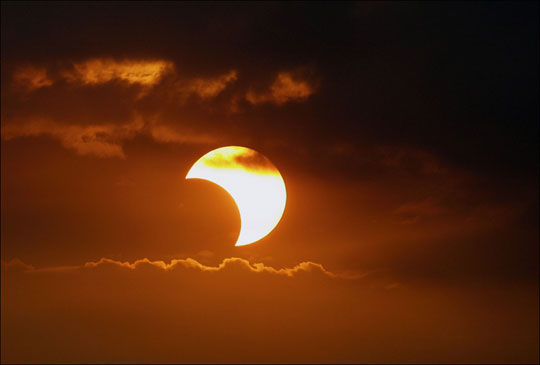
People in some parts of the world will have the opportunity to admire a partial solar eclipse on January 4 next year, the shadow of an eclipse will pass through Europe i…
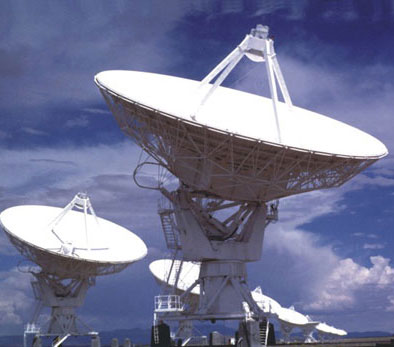
Astronomers from around the world simultaneously point radio telescopes towards stars to look for signs of other civilizations in the universe.
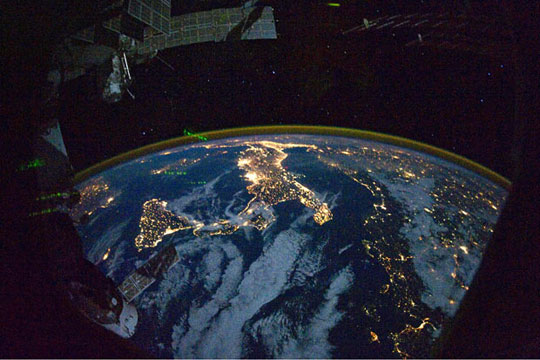
Italy and the Sicilian island are as beautiful as jewels, a picture that Japanese female traveler Yamazaki Naoko works with ISS when the Earth is at night.
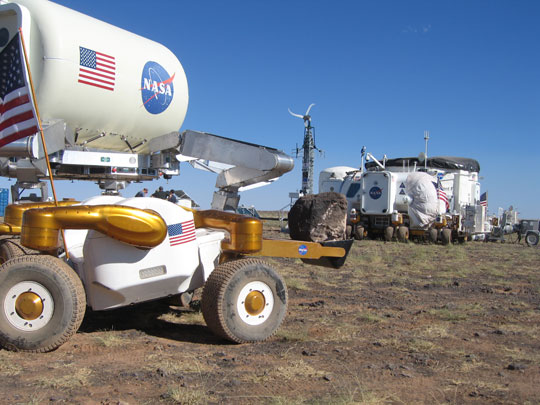
The US economy weakened, NASA was forced to choose the least expensive solutions to make flights to the moon and Mars.
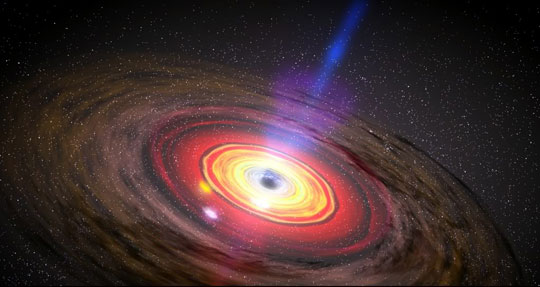
Scientists speculate that the X-ray object is most likely a neutron star or black hole tens of thousands of light years from Earth.
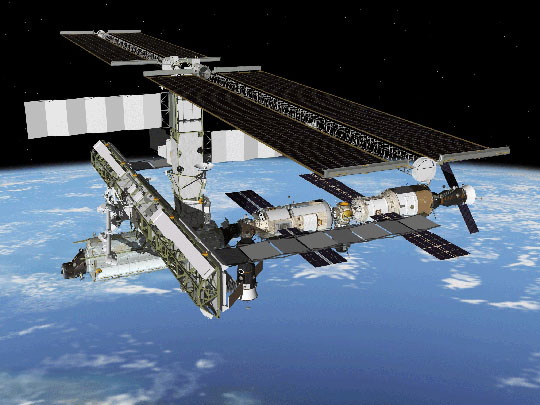
In 10 years of existence and development, the International Space Station has become
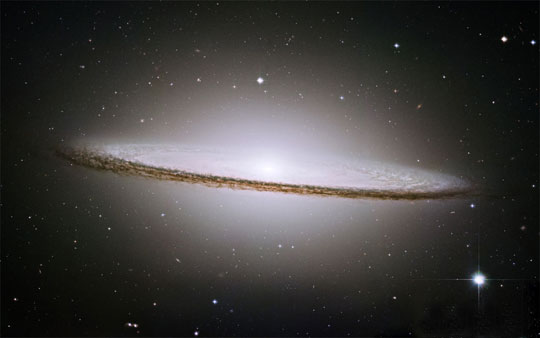
XMASS device is designed to directly capture dark matter in the universe and will begin commissioning in November.