
Biology
Mango trees break the plan for 800 fruits in Japan
A mango tree on Okinawa island last year surprised many people with 400 fruits, which doubled this year.
Browse ScienceInfo articles and explainers related to Japan.
1,688 published items.
A mango tree on Okinawa island last year surprised many people with 400 fruits, which doubled this year.
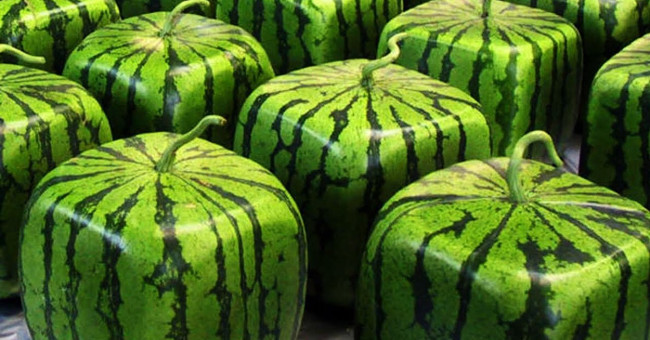
Although there is no outstanding sweetness, square watermelon is still favored by many Japanese farmers because it is easy to store, pack and cut.

According to the word of mouth, every time people tried to cut the camphor tree at Kayashima Station (Osaka), someone died. They believed that the god wanted the living…
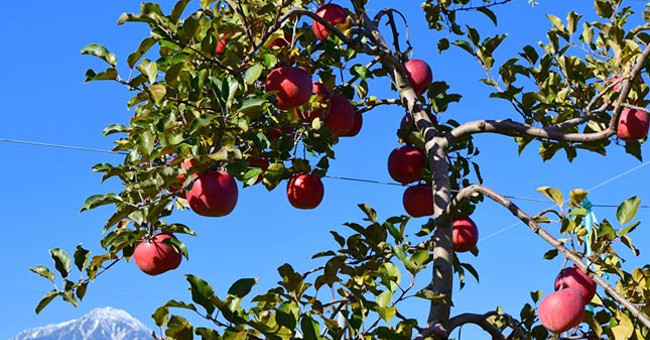
The apples did not use any pesticides and fertilizers, and did not need to be refrigerated and could be used for up to four years without failing.
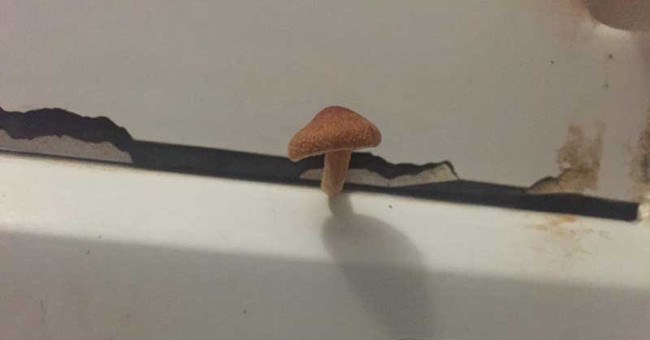
Recently, the Chinese social network was stirred up by the disappearance of a foolish Japanese man, after having eaten wild mushrooms growing in the bathroom.
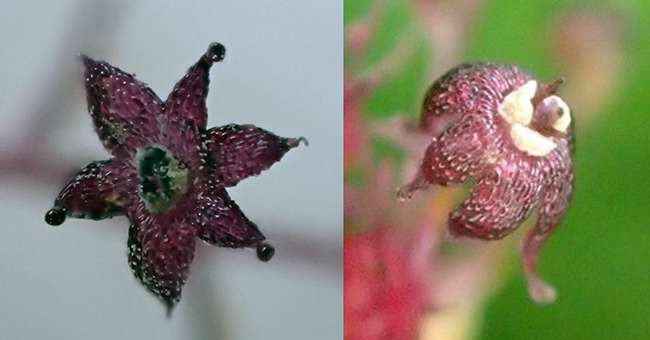
A species of flowering plants discovered in Japan spends most of its time hiding underground and stealing fungal nutrients to survive instead of photosynthesis like regu…


Four years ago, the disaster of Fukushima nuclear power plant in Japan caused serious consequences. But so far, the remaining radioactive substances around this area may…
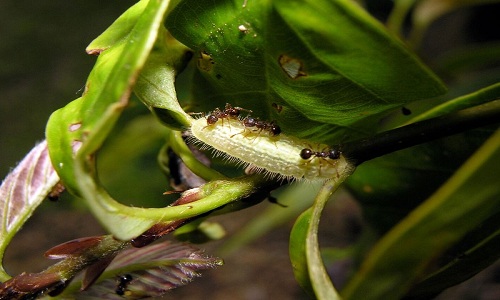
Japanese scientists have discovered the secret to helping caterpillars capture ants and turn them into bodyguards for it.
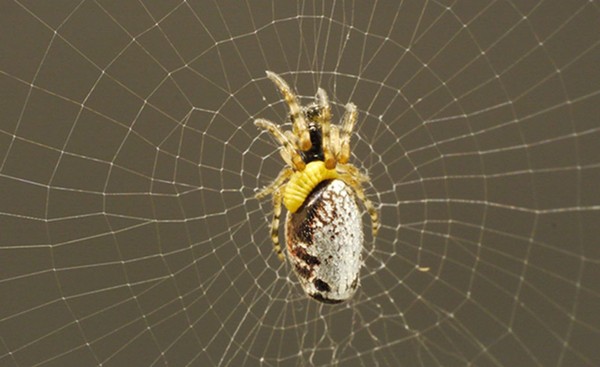
Biologists have found a mechanism to help corn bees can turn spiders into slaves, catching their nests.
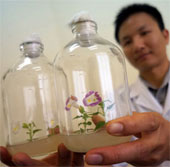
Experts from the Biology Research Department of Da Lat Nuclear Research Institute have succeeded in blooming flowers inside the test tube for some commercial flowers.
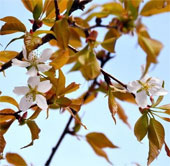
A mysterious cherry blossom tree is causing the Japanese to play a fever

A Japanese farmer has reaped the fruits after studying round oranges to grow into pentagonal fruits.

According to Belgium's La Libre newspaper recently, a Japanese scientist living in the country's Okinawan archipelago has discovered a plant that can increase human life…

Although possessing a tiny size, some extremely dangerous insects can kill thousands of lives with a single bite or sting.