Environment
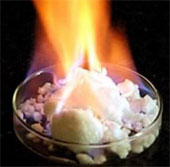
Japan obtained about 120,000m3 of gas from the
A week ago, Japan became the first country to exploit natural gas from methane hydrate (burning ice) on the sea floor.
Browse ScienceInfo articles and explainers related to Japanese.
745 published items.
A week ago, Japan became the first country to exploit natural gas from methane hydrate (burning ice) on the sea floor.
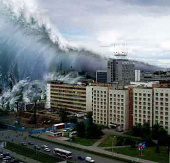
The Japan Meteorological Agency (JMA) on March 7 adopted a new tsunami warning system, focusing on evacuation advice appropriate for people instead of researching and pr…
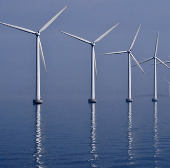
Japanese authorities are preparing to promote the plan to build the largest offshore wind farm in the world since July this year.
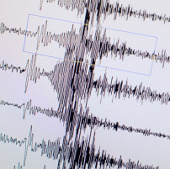
Seismologists on January 9 claim they have found indications about why the earthquake in Japan in 2011 from a broken crack originally thought to be harmless.
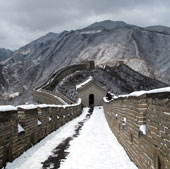
Chinese media on November 5 said that two elderly Japanese tourists were killed and another injured after being caught in a big snowstorm when visiting the Great Wall.
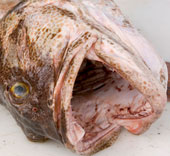
Results from a recent study show that many fish species in Japan still contain high levels of Cesium (Cs) radiation, even though it has been more than 1.5 years since th…
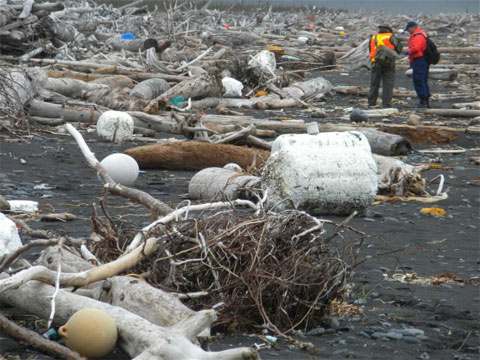
Floating, foam-like floating objects landed on the coast of Montague island, 190km southeast of Anchorage, in large numbers. They are most likely junk because the Japane…
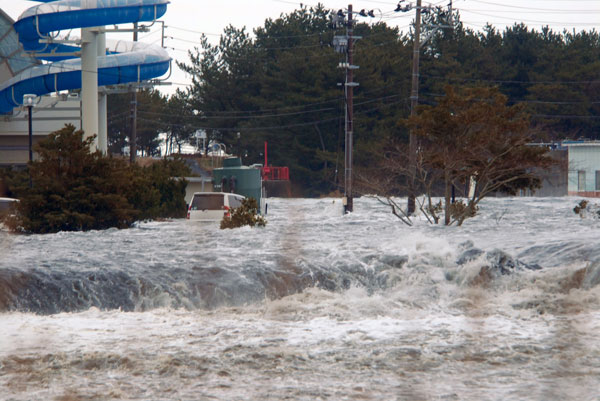
Scientists have concluded that a devastating earthquake in Japan in March 2011 (accompanied by intense tsunamis and a nuclear disaster at Fukushima nuclear power plant)…
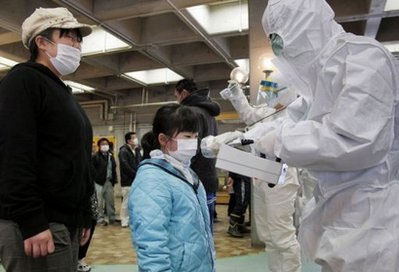
Radioactive iodine is found in kelp off the west coast of the United States, more than a year after the Japanese earthquake / tsunami, causing the worst nuclear crisis i…
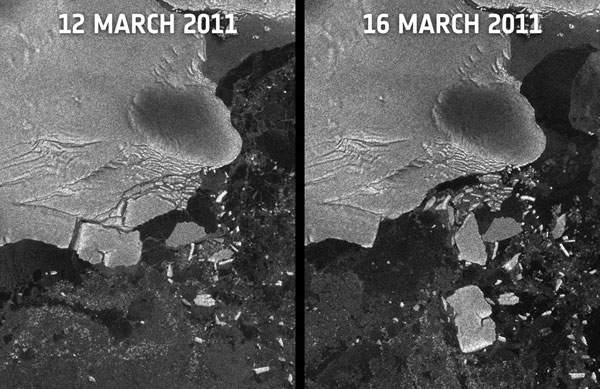
Japan's terrifying earthquake, followed by a tsunami on March 11, 2011 caused effects on both the globe, from the surface to the atmosphere, changing the gravitational p…
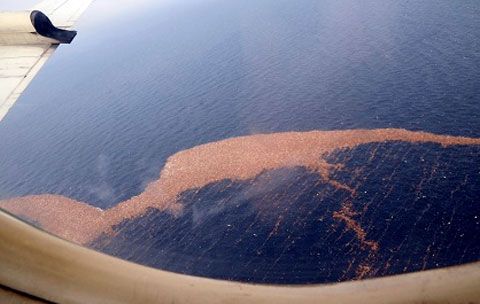
The waves of tsunami swept after the double disaster in northeastern Japan last year are very close to the Hawaiian Islands, and will reach the west coast of the United…
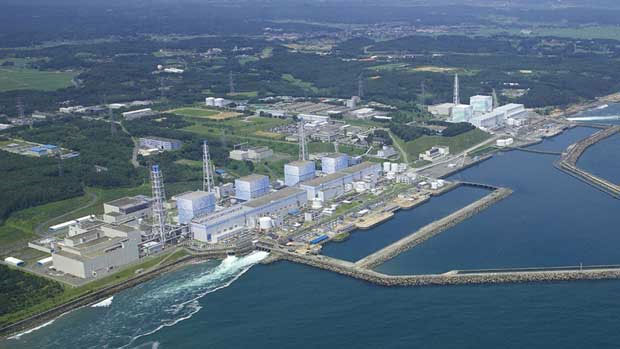
Radioactivity from the nuclear disaster at the Fukushima plant was discovered about 650 km away from the Japanese coast, in the Pacific Ocean, with a radiation index 1,0…
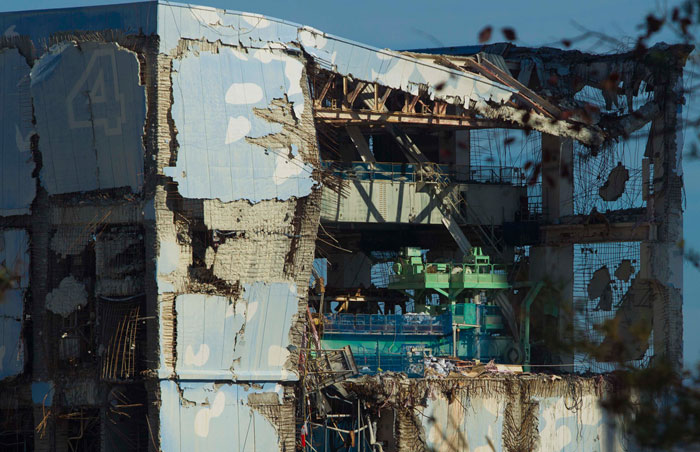
Efforts to bring the reactors in the Fukushima I nuclear power plant in northeastern Japan to a state of permanent shutdown may last up to 2050.
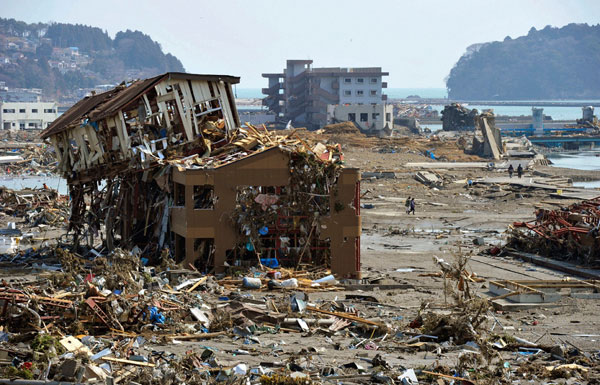
The earthquake in March created two tsunamis and they overlapped, causing the level of devastation to skyrocket when the waves hit the shore.
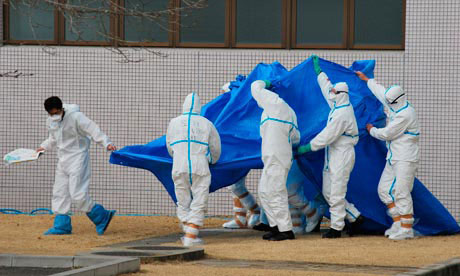
An expert panel of the Japan Atomic Energy Commission concluded that the Fukushima nuclear power plant could only stop completely after at least three decades.