Space science
Convincing evidence of another life world in the Solar System
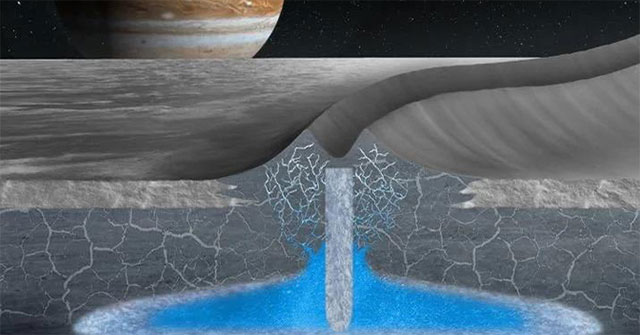
Strange ridges on Jupiter's icy moon Europa could lead to shallow water reservoirs similar to those found on Earth's ice island of Greenland, where life readily exists.
Browse ScienceInfo articles and explainers related to Jupiter.
335 published items.
Strange ridges on Jupiter's icy moon Europa could lead to shallow water reservoirs similar to those found on Earth's ice island of Greenland, where life readily exists.
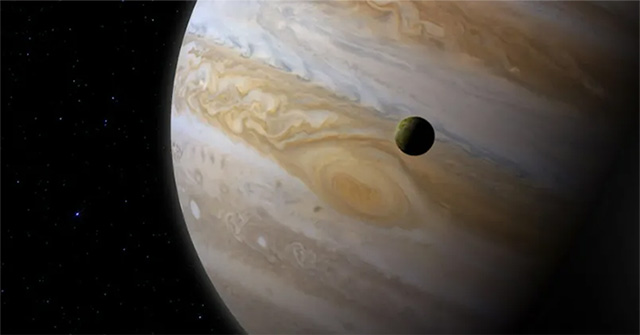
'A star is a spherical object in the plasma form, emitting light and resisting gravity by itself through nuclear fusion in its interior.'
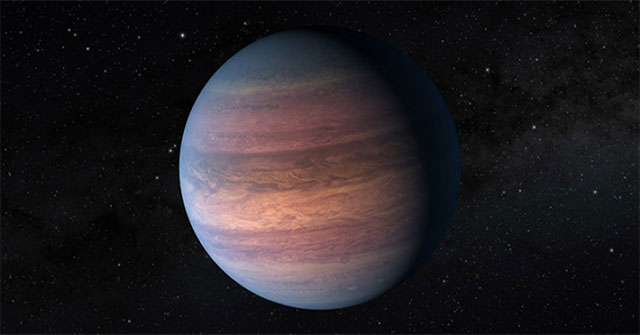
Analysis of a trove of old image data from the Kepler space telescope reveals a gas giant exoplanet very similar to Jupiter.
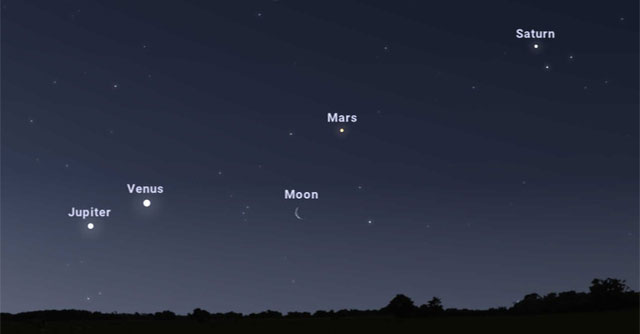
Entering April, Earth will have the opportunity to witness a beautiful scene in the sky, when 4 of the 5 brightest planets in the solar system appear to align in the ear…
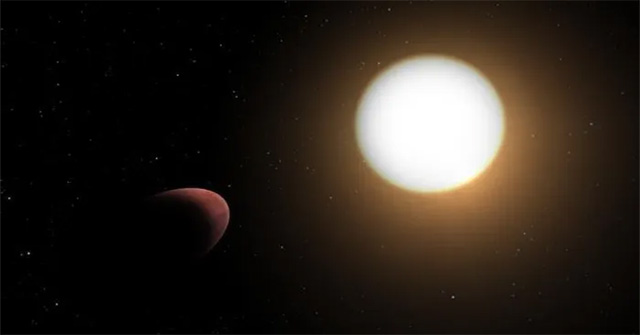
Although planets slightly distorted by the gravity of their parent star have been recorded, this is the first time a planet shaped like a perfect rugby ball has been rec…
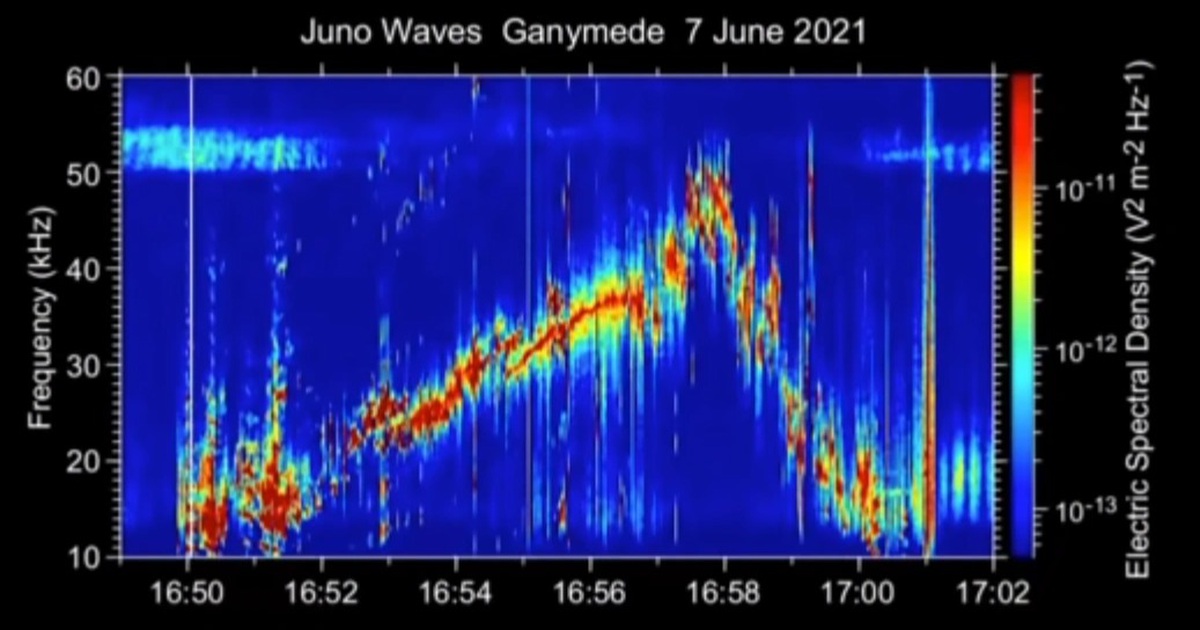
'This sound gives you goosebumps,' said physicist Scott Bolton, the probe's principal investigator. What information does it contain?
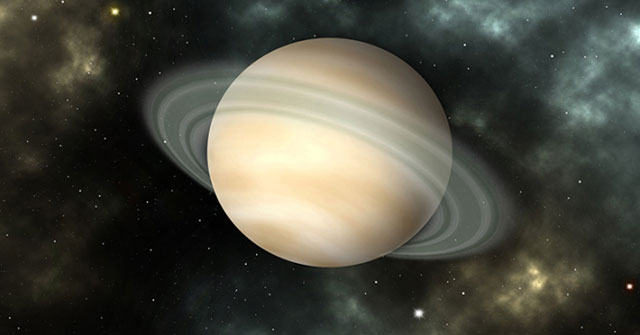
Astronomers find an exoplanet like
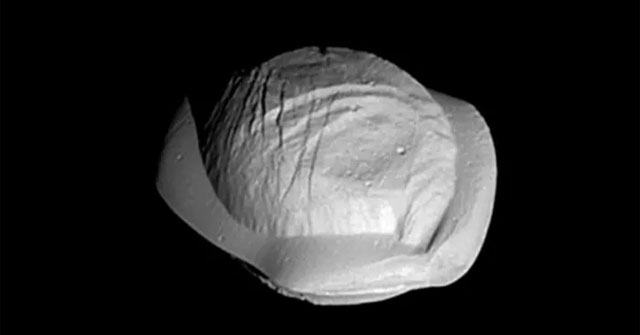
Mars - the planet closest to Earth, has 2 moons. Pluto - a dwarf planet with 5 moons.
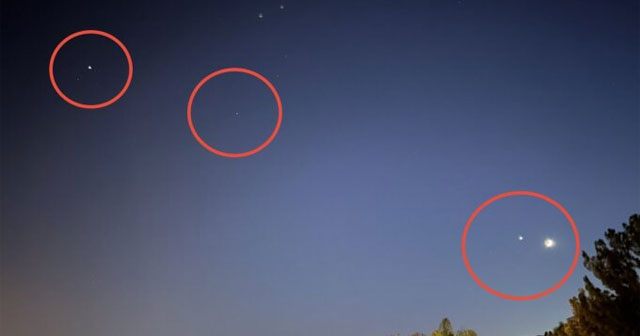
Astronomy lovers around the world share photos of the rare moment when the Moon is aligned with Venus, Saturn, Jupiter in the night sky.
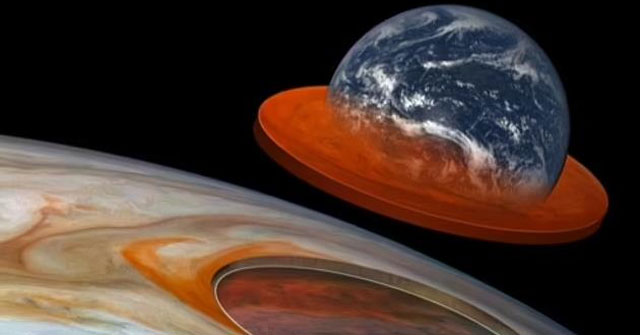
Jupiter's red monster can be more than 480 km deep and more than enough to swallow the Earth.
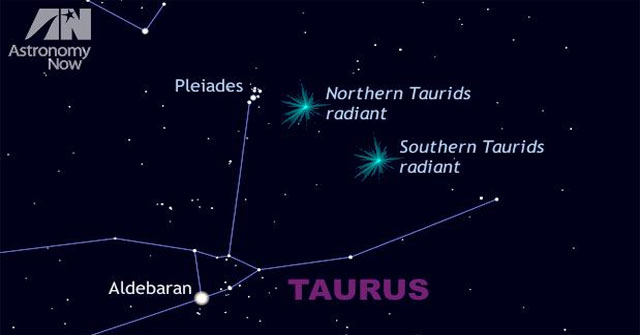
Last Halloween night, because there was no moon, many people were able to admire the performance of Venus, Jupiter, Saturn and sometimes a Halloween fireball.
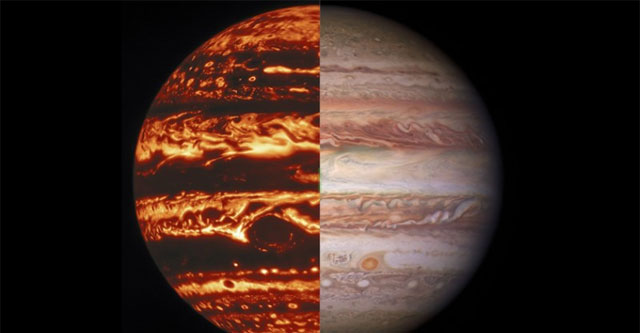
The Juno space probe is exploring deeper into Jupiter's clouds. So far, Juno has provided new information about how water behaves in the clouds at Jupiter.
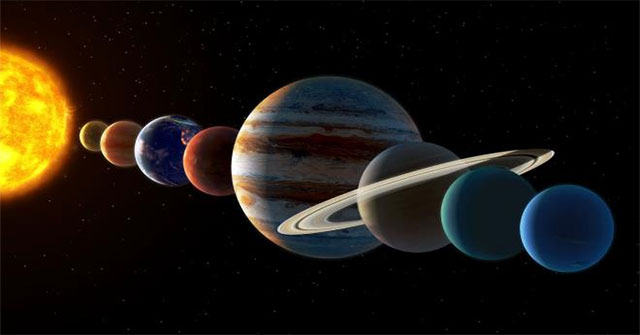
The parade of the planets will take place around 2 weeks of July but cannot be completely observed.
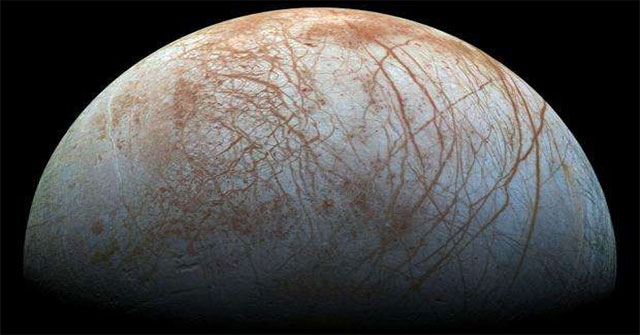
A new study by NASA scientists has found a place within the Solar System capable of supporting living things.
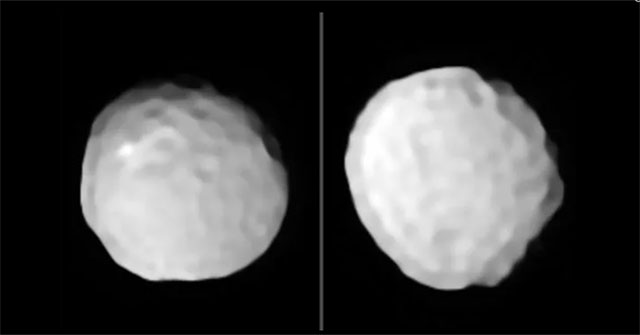
A giant asteroid about 1/7 the size of the Moon surprised astronomers with its special history.