
Health
Testing the world's first teething treatment drug
On May 2, Toregem Biopharma startup company in Kyoto (Japan) announced that in September it will begin testing a teething treatment drug.
Browse ScienceInfo articles and explainers related to Kyoto.
45 published items.
On May 2, Toregem Biopharma startup company in Kyoto (Japan) announced that in September it will begin testing a teething treatment drug.

Research by Kyoto University and construction company Kajima (Japan) is expected to realize the possibility of allowing humans to live in outer space.

Kyoto is famous as the most cultural city in Japan, where everyone feels it is natural to live in harmony and respect nature.
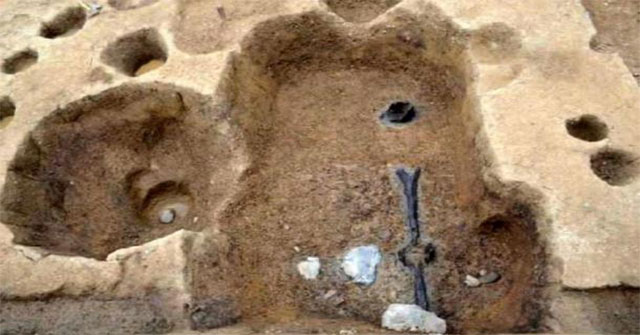
A 600-year-old sake brewery in the middle of the courtyard of an ancient temple in Kyoto was discovered by accident during a construction project.

Material chemist Ken-ichi Otake of Kyoto University, Japan, and his colleagues have recently created a compound that can attract carbon dioxide molecules in the air and…

Cherry blossom season began to bloom in Japan. Throughout the country many people go to see cherry blossoms together.

Unesco's Scientific, Educational and Cultural Organization has recognized Kyoto as the World Cultural Heritage in 1994.
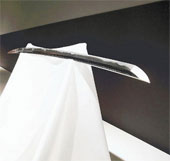
Masamune is a sword made from the end of the Kamakura period and used during the Southern North Dynasty.

Senior executives representing 10 space agencies from around the world met in Kyoto, Japan to discuss the issue of promoting global coordination to make space exploratio…

The Kyoto Protocol is an international agreement concerning the United Nations Framework Convention on Climate Change (UNFCCC).
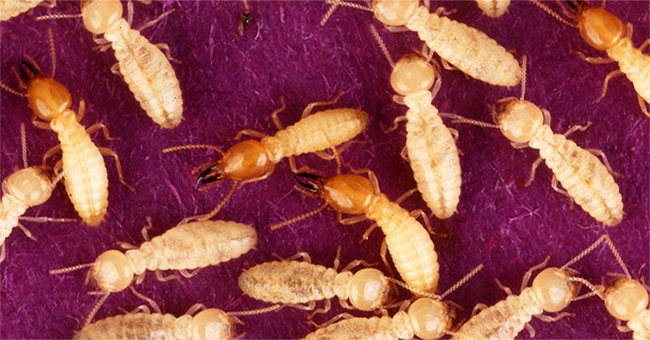
Scientists have for the first time confirmed that termites can perform self-reproduction for a long time without males, self-fertilizing.
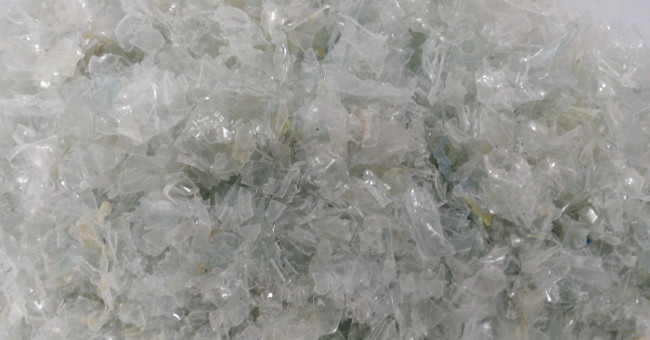
A group of researchers at the Kyoto Institute of Technology (Japan) has discovered a new bacterium that is capable of producing a very effective plastic destruction enzy…

Scientists from Kyoto University (Japan) have successfully cultivated original auditory neurons based on the use of multifunctional stem cells (iPS) from rat skin.

Kyoto University scientists have succeeded in cultivating multipurpose artificial stem cells (iPS) taken from adult skin fibroblasts.

Scientists at Kyoto University (Japan) have made a breakthrough in the way of creating tobacco that does not contain nicotine toxins.