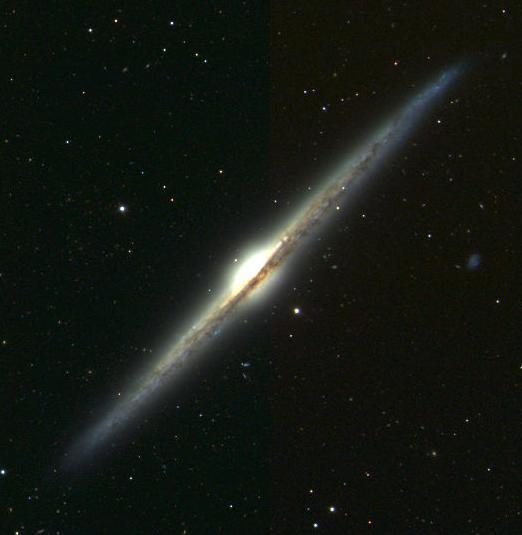
Space science
The color of the quasar denotes the dusty universe
According to a team of astronomers, the intergalactic space seems to be filled with fuzzy smoke, tiny dust particles that dim light from distant objects while transformi…
Browse ScienceInfo articles and explainers related to Light.
3,286 published items.
According to a team of astronomers, the intergalactic space seems to be filled with fuzzy smoke, tiny dust particles that dim light from distant objects while transformi…
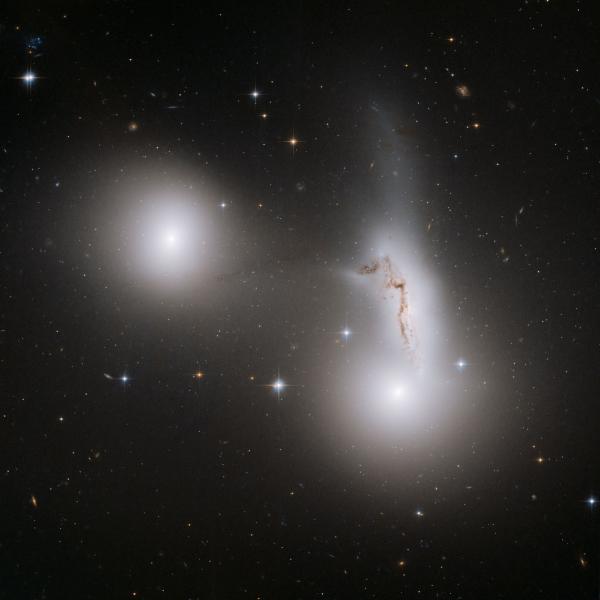
Located 100 million light-years away at the constellation Piscis Austrinus (Southern Fish), the three galaxies playing for and receiving can lead to a combination of the…
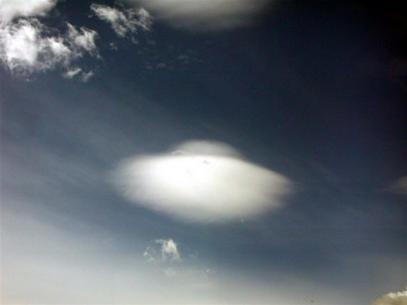
Desire to communicate with life on other planets longer than the fondness of UFOs and hope for SETI.
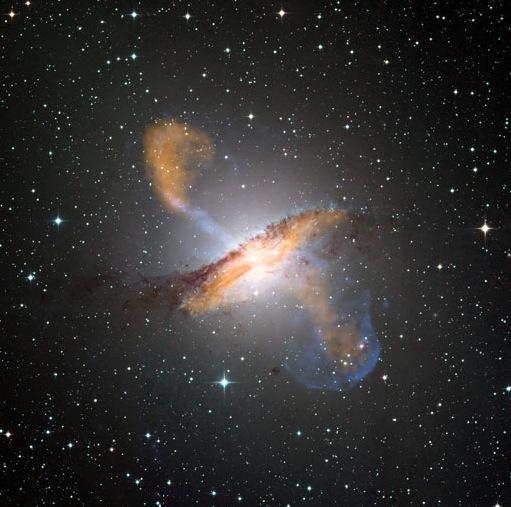
Scientists take a new look at the Centaurus A galaxy (NGC 5128) when the rays and lobes emanating from the central black hole are recorded by wavelengths of light below…
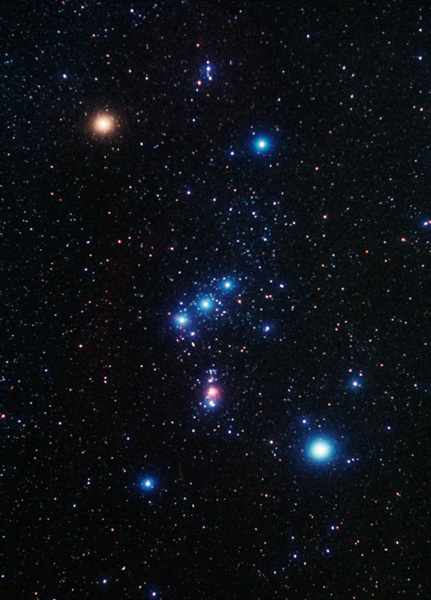
The brightest constellation that dominates the night sky this week appears in the south around 9 pm (local time).
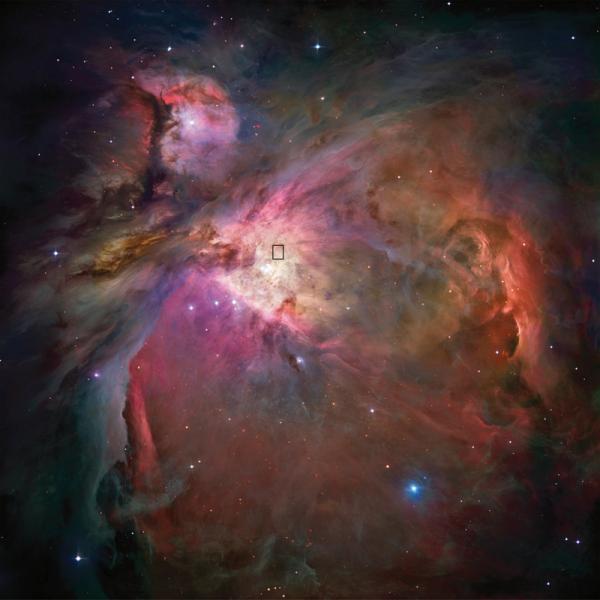
When galaxies form, their stars form everywhere at the same time or just concentrate in the tiny central region?
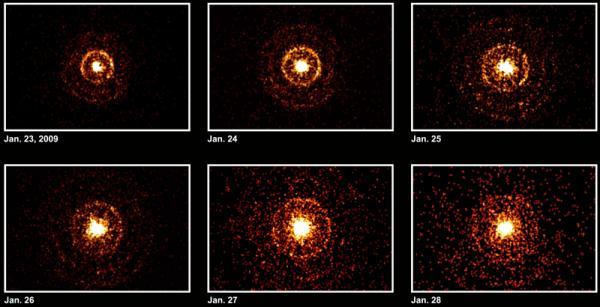
Astronomers use NASA's Swift satellite and Fermi Gamma Ray Space Telescope to observe explosions from the rest of a star 30,000 light-years away.

NGC 2264 is located 2,600 light-years from Earth in the faint constellation Unicorn of Monoceros, not far from the familiar Hunter constellation of Orion.
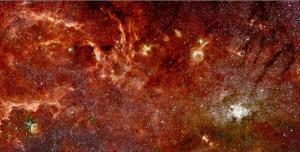
The multi-colored infrared image of our Milky Way galaxy center shows a new cluster of stars and complex structural details in the ionized gas swirling around the 300 li…
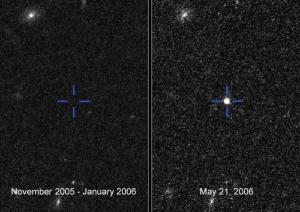
Astronomers are still unable to explain a mysterious bright area discovered by NASA's Hubble Space Telescope for the first time in 2006.

A research team developed the first complete map of the Milky Way galaxy's spiral arms.

The Hubble Space Telescope has just discovered CO2 and CO in the atmosphere of a distant planet.
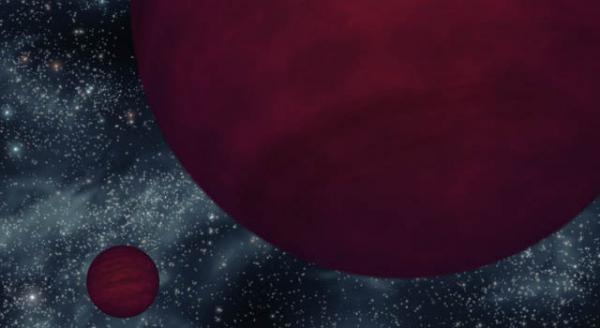
The object that holds the record for the darkest star-like object in the universe is a twin star
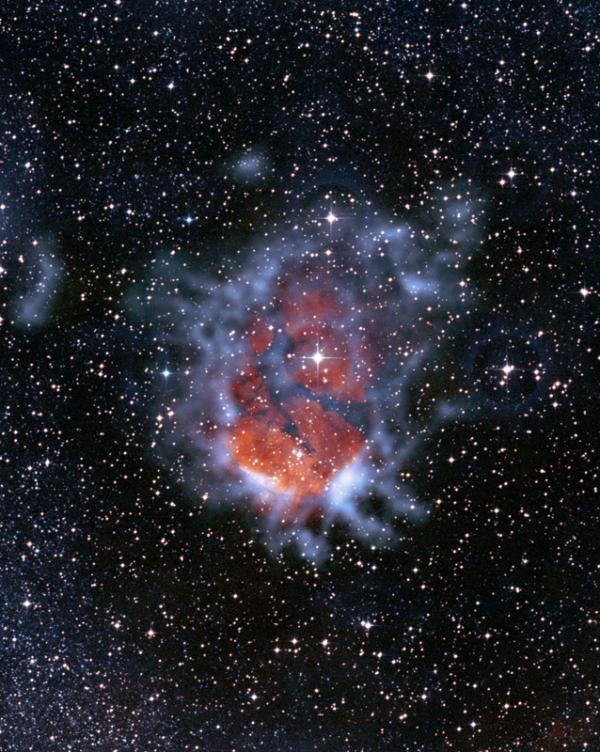
An image of the APEX telescope reveals how an ionized gas bubble causes surrounding materials to turn into dense blocks, thereby forming new stars.
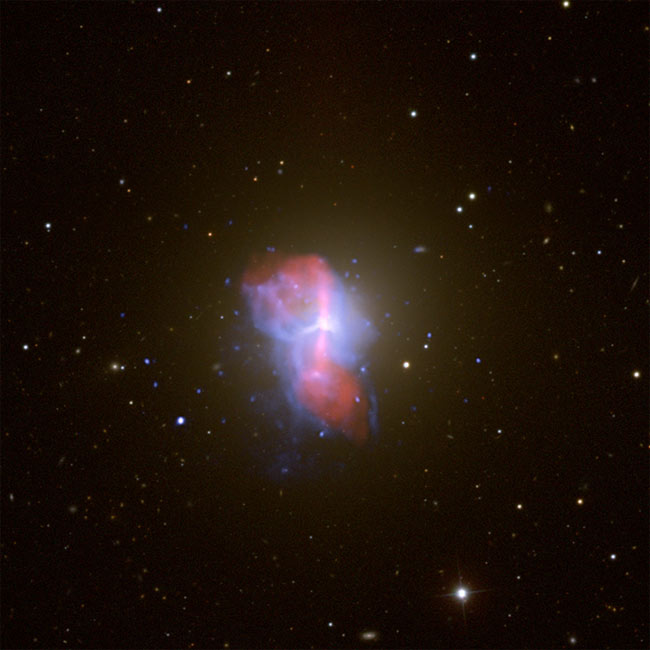
Like bubble objects in the universe, some black holes also